
Intermittent fasting has become one of the most talked-about approaches to weight loss, and for good reason. Instead of obsessing over what to eat, it shifts the focus to when you eat, which many people find simpler to stick with than traditional calorie-counting diets.
But intermittent fasting isn’t one single method, and it isn’t automatically right for everyone. This guide walks through 10+ practical intermittent fasting ideas for weight loss, how each one works, who they tend to suit best, and the important precautions to know before you start.
What Is Intermittent Fasting, Exactly?
Intermittent fasting (IF) is an eating pattern that cycles between periods of eating and periods of little or no food intake. Unlike traditional diets that dictate specific foods, intermittent fasting is primarily about timing.
When you go without food for a stretch of time, your body eventually uses up its stored sugar (glucose) and starts drawing on stored fat for energy instead, a process often called metabolic switching. This is one of the key mechanisms behind why fasting windows can support weight loss.
Importantly, intermittent fasting doesn’t automatically create a calorie deficit on its own. It works for weight loss primarily because a shorter eating window naturally makes it easier for many people to eat less overall, not because fasting has some special metabolic advantage over simply eating fewer calories throughout the day.
Before You Start: Who Should Be Cautious With Intermittent Fasting
Intermittent fasting isn’t recommended for everyone. It’s worth talking to a healthcare provider before starting, especially if you are pregnant or breastfeeding, have a history of disordered eating, are managing diabetes or blood sugar issues, are underweight, or have any chronic health condition.
It’s also worth knowing that research on intermittent fasting is still evolving, and results are mixed. While many studies support its use for weight loss and metabolic health, at least one large observational study has raised questions about a possible link between very restricted eating windows and cardiovascular risk. This doesn’t mean fasting is unsafe for most healthy adults, but it’s a reminder that intermittent fasting is a tool, not a guaranteed fix, and individual results and risks vary.
With that context in mind, here are the most practical intermittent fasting ideas to consider.
1. The 16/8 Method (Time-Restricted Eating)

This is the most popular and beginner-friendly form of intermittent fasting. You fast for 16 hours and eat all your meals within an 8-hour window, commonly between noon and 8 p.m.
Why it works for beginners: It often just means skipping breakfast and having lunch as your first meal, which many people find easy to adjust to since sleep already covers a large portion of the fasting window.
Save-worthy tip: Start your fasting clock the moment dinner ends the night before, sleep does most of the work for you.
2. The 14/10 Method (An Easier Entry Point)

If 16 hours feels intimidating, start with a 14-hour fast and a 10-hour eating window instead. This is a gentler introduction that still creates a meaningful reduction in your eating window without feeling extreme.
Many people gradually extend from 12, to 14, to 16 hours over a few weeks as their body adjusts, rather than jumping straight into a longer fasting window.
3. The 5:2 Method

With this approach, you eat normally five days a week and significantly reduce calorie intake (typically to about 500 to 600 calories) on two non-consecutive days.
Best for: People who don’t want to fast daily but still want the metabolic benefits associated with periodic calorie reduction. This method offers more flexibility since most of the week involves no restriction at all.
4. Alternate-Day Fasting
This method involves alternating between a regular eating day and a fasting day (either no food or a very small amount, roughly 25 to 30 percent of normal calorie needs).
A word of caution: Alternate-day fasting is more intense than the 16/8 or 5:2 methods and tends to be harder to sustain long-term. It’s generally better suited to those who have already had success with more moderate fasting windows.
Read Also: Well Fit Look
5. The 12-Hour Fast (The Gentlest Starting Point)

A 12-hour fast, for example finishing dinner by 7 p.m. and not eating again until 7 a.m., is one of the easiest ways to dip a toe into intermittent fasting. For many beginners, this is simply a matter of cutting out late-night snacking rather than making a dramatic change.
This can be a smart first step before attempting longer fasting windows like 14/8 or 16/8.
6. One Meal a Day (OMAD)

OMAD involves eating all your daily calories within a single meal, typically within a one-hour window.
Important consideration: This is one of the more advanced and restrictive fasting approaches. It can make it harder to get adequate nutrients in one sitting and may not be appropriate for beginners or anyone with a demanding schedule that requires steady energy throughout the day.
7. Fasting Around Your Workout Schedule

Some people time their eating window around when they exercise, either training in a fasted state in the morning and breaking the fast shortly after, or scheduling workouts closer to the end of their fasting window so the first meal doubles as recovery fuel.
This isn’t a separate fasting method so much as a strategic tweak. It works well for people who already exercise consistently and want to combine that routine with a fasting schedule.
8. Black Coffee and Herbal Tea During the Fast

One of the most practical ideas for making any fasting window more manageable is knowing what you can have during fasting hours. Water, black coffee, and unsweetened herbal tea are all calorie-free and generally considered acceptable during a fast, and can help curb hunger and maintain energy.
Avoid adding sugar, cream, or milk during fasting hours, since even small amounts of calories can end the fasted state.
9. Break Your Fast With Protein and Fiber, Not Refined Carbs
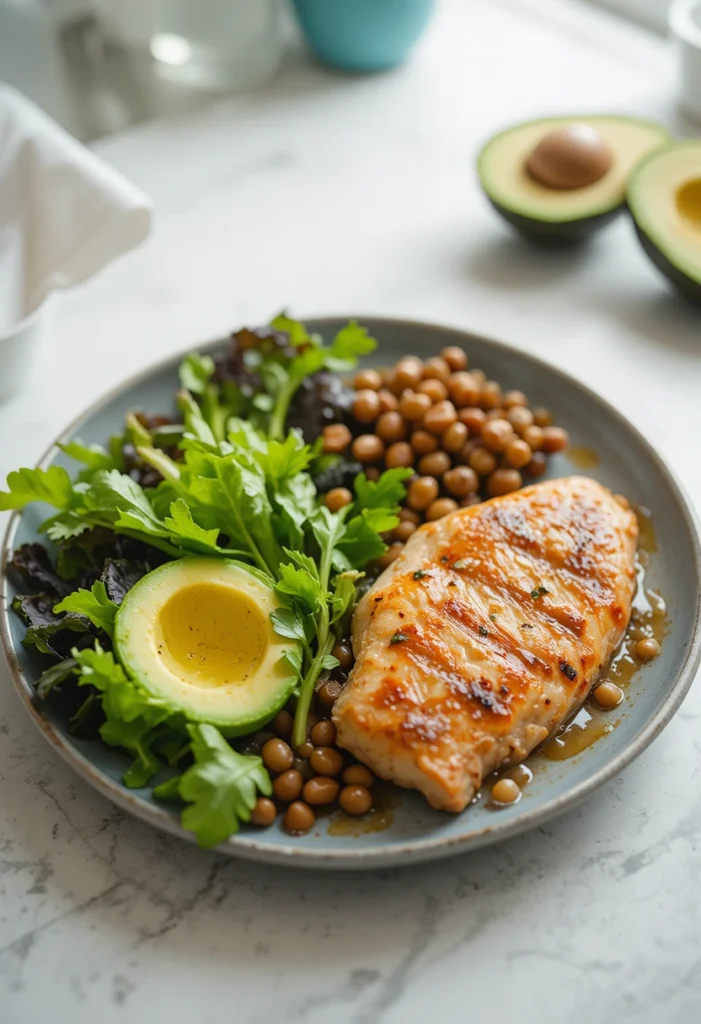
What you eat when you break your fast matters. Starting your eating window with a sugary or highly processed meal can spike blood sugar and leave you hungrier soon after.
Instead, break your fast with a combination of protein (eggs, Greek yogurt, chicken) and fiber-rich foods (vegetables, whole grains, legumes) to stay fuller for longer and support steady energy through your eating window.
10. The Crescendo Method (Fasting a Few Days a Week, Not Every Day)
Instead of fasting daily, the crescendo method involves fasting (typically using a 12 to 16 hour window) on two or three non-consecutive days a week, while eating normally on the other days.
Best for: Beginners who want to experience the effects of intermittent fasting without committing to a daily restriction, or anyone who finds daily fasting too disruptive to their routine, especially women, since some research suggests more frequent fasting may affect hormonal balance differently across sexes.
11. Track How You Feel, Not Just What the Scale Says

An often-overlooked idea: pay attention to your energy, mood, sleep, and hunger patterns as you experiment with fasting windows, not just the number on the scale. If a particular fasting schedule leaves you feeling foggy, irritable, or unable to concentrate, that’s valuable information that the window may need adjusting, regardless of what the scale shows.
12. Stay Hydrated Throughout Your Fasting Window

Dehydration is often mistaken for hunger, and it can also worsen fatigue and headaches during longer fasting windows. Aim to drink water consistently throughout your fasting hours, not just during your eating window.
13. Don’t Use Your Eating Window as a Free-for-All
One of the most common reasons intermittent fasting doesn’t lead to weight loss is overeating during the eating window to “make up for” the fasting hours. The goal isn’t to eat as much as possible in a shorter time frame, it’s to eat balanced, satisfying meals within that window while still maintaining an overall calorie deficit.
Choosing the Right Method for You
With so many options, it helps to think through a few questions before committing to one approach:
How does fasting fit your daily routine? If family dinners or social meals are an important part of your day, a method like alternate-day fasting that removes entire eating days may not be realistic long-term.
What’s your main goal? If your priority is simplicity and daily structure, the 16/8 method tends to be the most sustainable starting point. If you prefer more flexibility with only occasional restriction, the 5:2 method may suit you better.
How intense do you want to start? Beginners are generally better off starting with a 12-hour fast and gradually extending the window, rather than jumping straight into 16/8 or OMAD.
A Sample Beginner-Friendly Weekly Approach
Here’s one way to combine several of these ideas into a realistic first week, using a gradual, beginner-friendly structure:
Days 1 to 2: Start with a 12-hour fast (for example, finishing dinner by 8 p.m. and eating breakfast at 8 a.m.)
Days 3 to 5: Extend to a 14-hour fasting window, pushing breakfast slightly later or dinner slightly earlier
Days 6 to 7: If it’s feeling manageable, try extending to the 16/8 method on one or both of these days, or simply maintain the 14-hour window if that feels like the right fit for now
Throughout the week, focus on breaking each fast with a protein and fiber-rich meal, staying hydrated during fasting hours, and paying attention to your energy and hunger levels rather than rushing to the most restrictive method right away.
Common Mistakes to Avoid With Intermittent Fasting
Jumping straight into an intense method. Starting with alternate-day fasting or OMAD before your body has adjusted to shorter fasting windows often leads to burnout or bingeing.
Ignoring hunger and energy signals. Persistent dizziness, extreme fatigue, or irritability are signs that a fasting schedule may need to be adjusted or isn’t the right fit.
Overeating during the eating window. Fasting only supports weight loss if your overall calorie intake still reflects a deficit across the day or week.
Neglecting nutrient quality. Because eating windows are shorter, it’s especially important to prioritize nutrient-dense foods rather than relying on convenient but low-nutrient options.
Fasting without medical guidance when it isn’t appropriate. This applies especially to anyone with diabetes, a history of disordered eating, or who is pregnant or breastfeeding.
Frequently Asked Questions
Which intermittent fasting method is best for weight loss?
Research suggests time-restricted methods like 16/8 and the 5:2 diet are among the most studied and sustainable options, though effectiveness varies from person to person based on lifestyle and adherence.
Can I drink coffee while fasting?
Yes, black coffee without added sugar or cream is generally considered acceptable during fasting hours and may even help reduce hunger.
Will intermittent fasting slow down my metabolism?
Short-term intermittent fasting has not been shown to meaningfully slow metabolism for most people, though extreme or prolonged fasting approaches carry more uncertainty and are generally not recommended without medical supervision.
How long does it take to see results with intermittent fasting?
Many people notice changes in hunger patterns and energy within one to two weeks, with measurable weight changes typically appearing over several weeks of consistent practice.
Is intermittent fasting safe for women?
Some research suggests women may respond differently to certain fasting schedules, particularly more intense or frequent fasting patterns, due to hormonal sensitivity. Starting with gentler methods, like the 12-hour fast or the crescendo method, and monitoring how your body responds is a reasonable, cautious approach.
The Bottom Line
Intermittent fasting offers a flexible, structure-based approach to weight loss that works well for many people, but it isn’t a one-size-fits-all solution. Starting gradually, choosing a method that realistically fits your lifestyle, prioritizing nutrient-dense meals during your eating window, and checking in with a healthcare provider if you have any underlying health considerations will set you up for a much more sustainable experience than jumping straight into the most extreme version you can find.