
Plan
You don’t need a gym membership, a trainer, or a spare bedroom full of equipment to get in real shape. All you need is a plan — and that’s exactly what most “workout tips” articles never actually give you.
Here’s the thing: home workouts for women aren’t a lesser version of the gym. Done right, they can build strength, improve cardiovascular health, and boost your mood just as effectively as any gym-based program. Below are 14+ complete workout plan ideas, organized by goal and fitness level, so you can pick the one that matches exactly where you are right now.
Why Home Workouts Work So Well for Women
Home workouts remove the biggest barriers that keep people from being consistent: cost, commute time, and gym intimidation. You control your environment, your privacy, and your schedule — and that control is often what makes the difference between a plan you quit in week two and one you actually stick with.
Quick summary you can screenshot: strength training is the cornerstone of getting in shape, and home workouts can be just as effective as gym sessions when they’re done correctly — you just need structure, intention, and progression.
But there’s a catch: structure matters more than intensity when you’re starting out. A workout schedule that fits your actual life will always beat a “perfect” plan you abandon after ten days.
How to Structure Your Weekly Plan (Before the List)
Every plan below fits into this basic weekly framework:
- 3 days a week focused on strength and full-body movement
- 2 short walks or light cardio sessions for active recovery
- 3–5 minutes of stretching at the end of every session to prevent stiffness
- 20–30 minutes per session, including warm-up and cooldown, is plenty for most goals
So what does this mean for you? You don’t need to work out every day to see results — consistency across a realistic schedule beats an aggressive plan you can’t maintain.
14+ Workout Plan Ideas for Women at Home
1. The 4-Week Beginner Foundation Plan
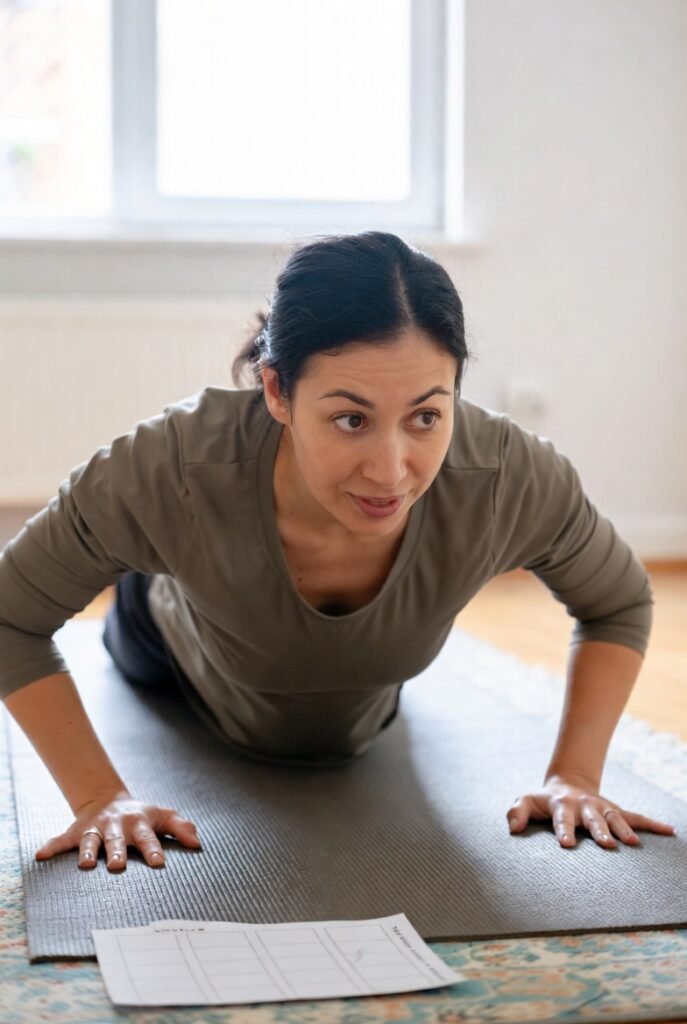
Focus: movement quality, core strength, and total-body mobility. Three sessions a week of bodyweight squats, modified push-ups, glute bridges, and planks build the foundation everything else is layered onto. This is the plan to start with if you’re new to structured exercise entirely.
2. The 20-Minute Full-Body Starter

A short, beginner-friendly circuit of squats, wall push-ups, standing marches, and bird-dogs. Ten to twenty minutes is genuinely enough when you’re just starting — the goal here is building the habit, not maximizing intensity.
3. The No-Equipment Strength Plan
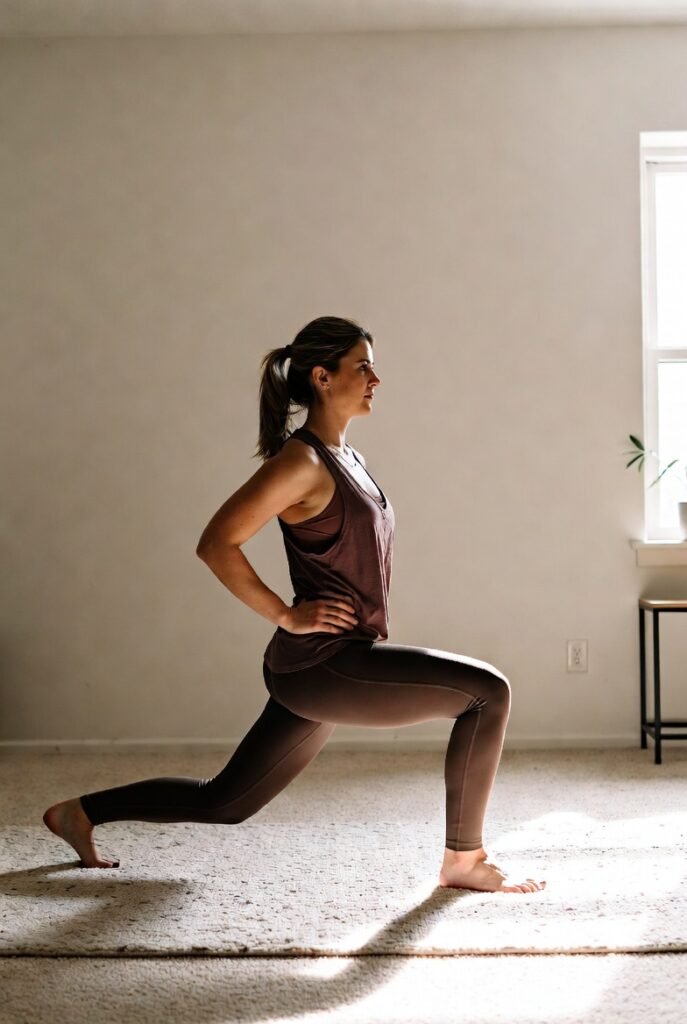
Push-ups, lunges, glute bridges, planks, and step-ups performed in a simple 3-day rotation. This plan proves you don’t need dumbbells to build real strength — your bodyweight provides more resistance than most people expect.
4. The Household-Items Plan

No dumbbells? Use canned goods, filled water bottles, or a loaded backpack. This plan swaps in household items for resistance work like rows, curls, and overhead presses, so a lack of equipment never has to be the excuse.
Read Also: Well Fit Look
5. The Upper Body & Arm Toning Plan

Shoulder taps, tricep dips off a sturdy chair, incline push-ups, and lateral raises using water bottles. If toned arms and shoulders are your focus, this is the rotation to add twice a week.
6. The Lower Body & Glute Plan

Squats, reverse lunges, glute bridges, donkey kicks, and side-lying leg raises. This one is a favorite because lower-body moves respond fast to consistent bodyweight training, even without added weight.
7. The Core & Ab Sliders Plan
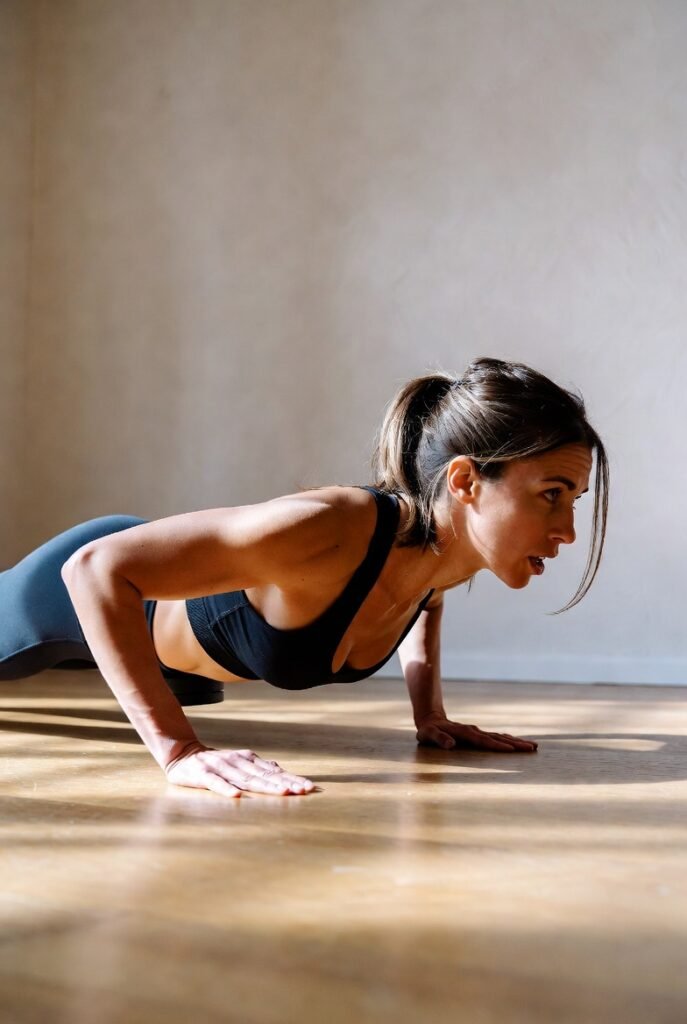
If you own a set of core sliders (or improvise with towels on a hard floor), this plan uses glute slide-outs, mountain climbers, and plank jacks to challenge stability and deep core muscles at once. Sliders are small, portable, and genuinely one of the most underrated home fitness tools.
Save this idea if a cluttered home gym isn’t realistic for your space — sliders take up zero storage.
8. The 15-Minute Quick Core Finisher

Plank holds, bicycle crunches, Russian twists, and leg raises, done in a tight 15-minute block. Perfect as a stand-alone session on busy days, or tacked onto the end of any other plan on this list.
9. The HIIT & Fat-Loss Plan

Thirty seconds of burpees followed by thirty seconds of rest, repeated for 10–15 minutes, paired with a short strength circuit. This plan blends high-intensity intervals with resistance work for a session that hits both cardio and muscle at once.
10. The Steady-State Cardio Plan

Twenty to thirty minutes of brisk walking, jogging in place, or dancing around your living room. Not every session needs to be high-intensity — steady, moderate cardio is an essential recovery-friendly complement to strength days.
11. The Kettlebell or Dumbbell Home Plan
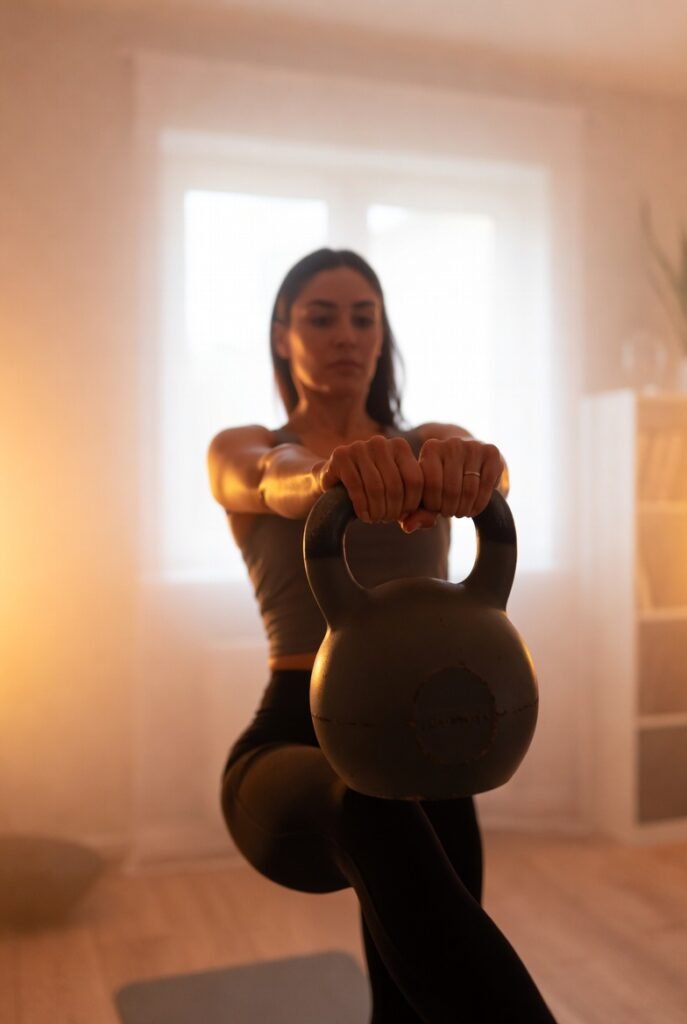
Goblet squats, kettlebell swings, dumbbell rows, and weighted lunges. If you’ve invested in a pair of adjustable dumbbells or a single kettlebell, this plan scales beautifully as your strength improves — just add weight or slow the tempo.
12. The Yoga & Mobility Plan
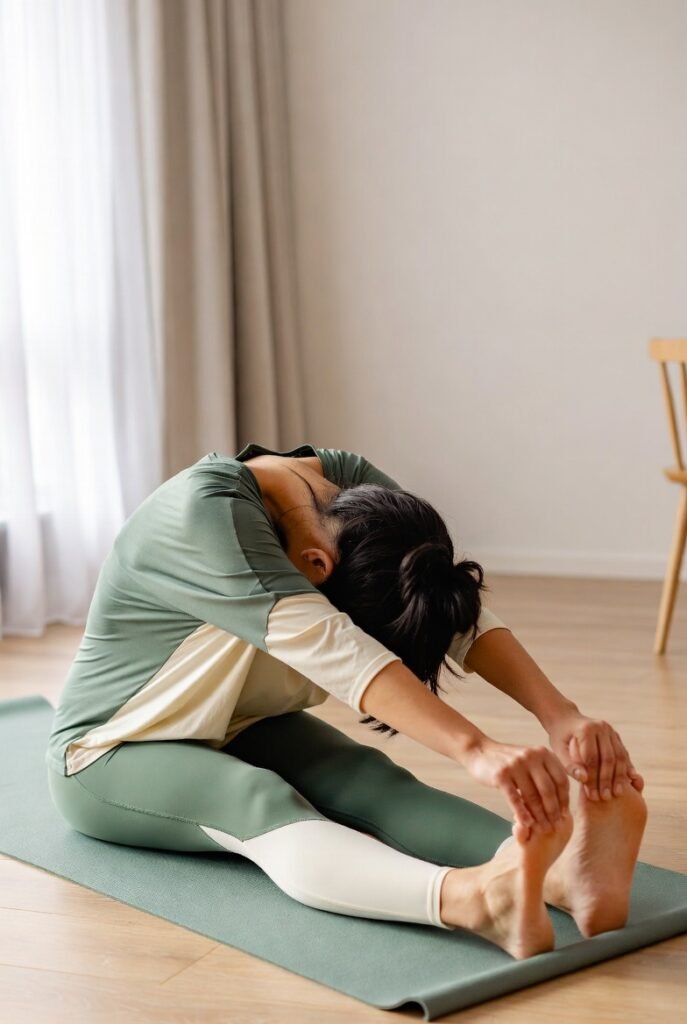
Downward facing dog, pigeon pose, cat-cow, and shoulder rolls, held for slow, controlled breaths. Yoga and dynamic stretching improve joint range of motion, reduce muscle stiffness, and promote better posture — especially valuable if your day involves a lot of sitting.
13. The Busy Mom / Minimal-Time Plan
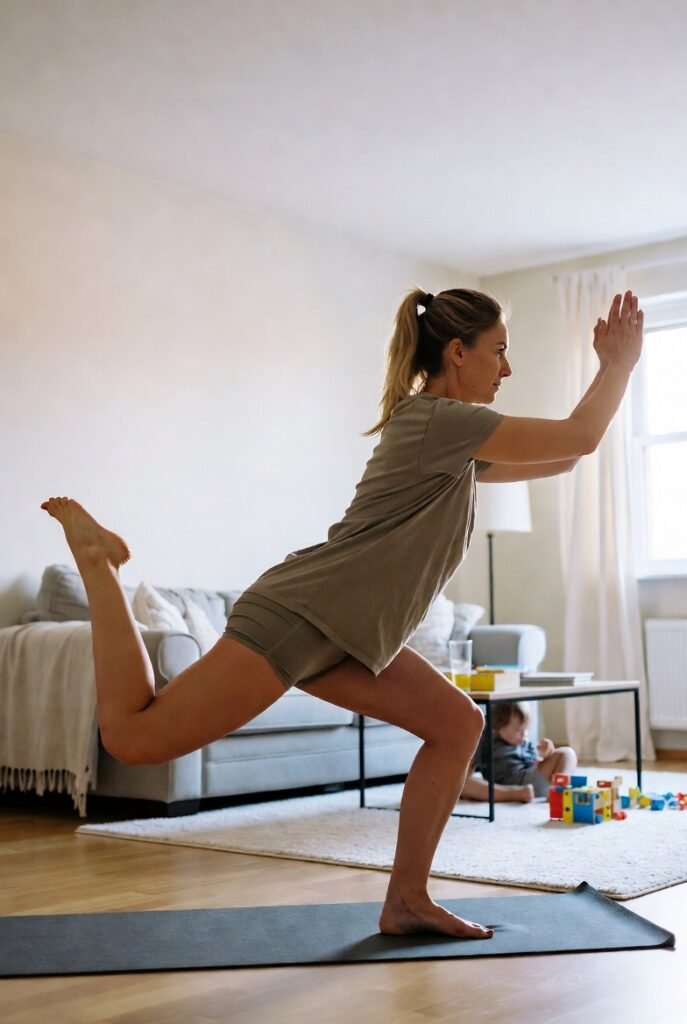
Ten-minute sessions squeezed into naptime or before the household wakes up: squats, push-ups, planks, and marching in place. Quality always beats quantity — a short, focused session done consistently outperforms a long workout you rarely get to finish.
14. The Progressive 4-Week Strength Plan
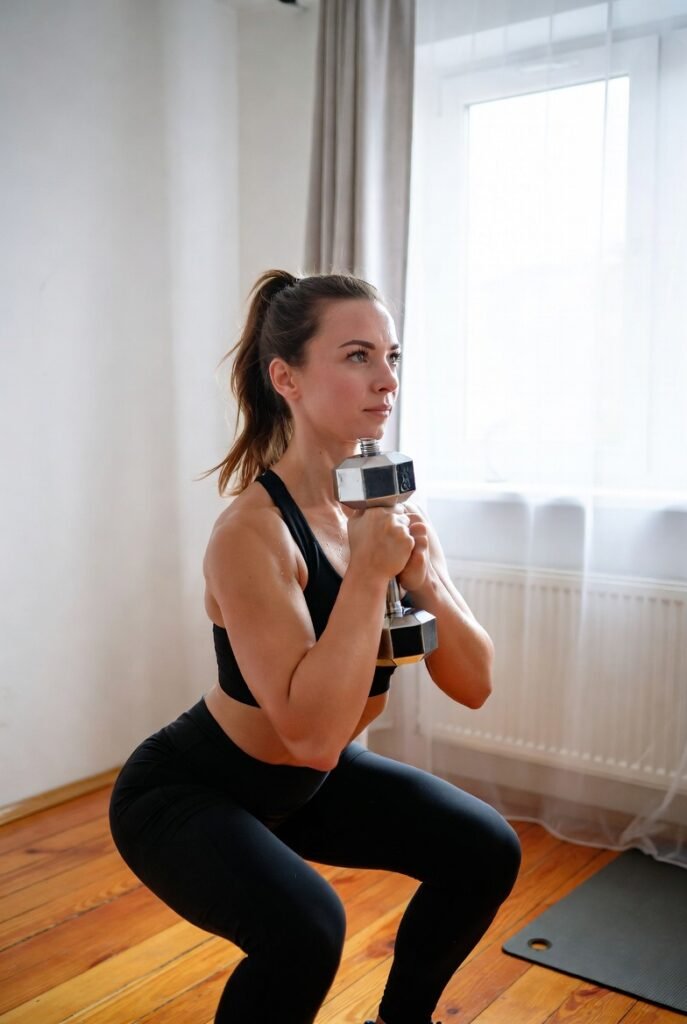
Starts with bodyweight-only movements in week one, then layers in resistance bands or light dumbbells by week three or four. This plan is built specifically around progression, so your body keeps adapting instead of plateauing on the same routine.
Bonus: The Ritual-Based Consistency Plan
This isn’t a set of exercises — it’s a system. Carve out a small dedicated corner with a mat and whatever equipment you have, leave it visibly out as a daily cue, and schedule your workout like a fixed appointment rather than an optional extra. Sometimes the plan that works best is the one that removes decision-making entirely.
Quick recap in case you’re just skimming: pick one plan that matches your current level and available time, commit to it for at least two to four weeks, then rotate in a new idea from this list to keep progressing.
How to Choose the Right Plan for You
- New to exercise? Start with the Beginner Foundation Plan or the 20-Minute Full-Body Starter.
- Short on time? The Busy Mom Plan or the 15-Minute Core Finisher fit into almost any schedule.
- Want visible toning? Combine the Upper Body and Lower Body plans across the week.
- Chasing fat loss? Pair the HIIT plan with two steady-state cardio sessions.
- Dealing with stiffness or stress? The Yoga & Mobility Plan should anchor at least one day a week, regardless of your other goals.
How Long Before You See Results?
Most women notice improved energy, better sleep, and increased strength within two to three weeks of consistent training. Visible changes in body composition typically take four to eight weeks, and they depend just as much on nutrition and sleep as they do on the workouts themselves.
Frequently Asked Questions
Do I really need equipment to get results at home?
No. A beginner workout plan for women at home can be effective using nothing but your bodyweight — equipment like dumbbells or sliders simply adds variety and progression once you’re ready.
How many days a week should I work out?
Three strength-focused days plus two light cardio days is a sustainable, well-rounded starting point for most women — rest days matter just as much as training days.
What if my motivation fades after a week or two?
That’s completely normal. Building a habit takes longer than most people expect, and setting up a visible, ritual-based routine (see the bonus plan above) helps carry you through the dip.
Can I combine plans from this list?
Yes — many of these plans are designed to be mixed and matched across your week rather than followed in isolation. A strength day, a cardio day, and a mobility day together make a complete weekly rotation.
Final Thoughts
You don’t need a perfect setup to start you need a plan that fits the life you actually have. Pick one idea from this list, commit to your first week, and let consistency do the rest. The best workout plan is always the one you’ll still be doing a month from now.