
That tight, swollen, “did I just eat a balloon” feeling after a meal is one of the most common digestive complaints out there — research suggests close to 1 in 5 people experience bloating at least once a week, and women deal with it roughly twice as often as men. The good news is that most bloating is temporary and responds well to a handful of simple, fast-acting remedies.
Below you’ll find 10+ bloating remedies for fast relief, covering everything from quick home fixes to over-the-counter options to the habits that prevent bloating before it starts. Whether you need relief in the next ten minutes or want to stop the cycle long-term, this list has you covered. Save it for the next time your stomach feels like it’s had enough.
What Causes Bloating in the First Place
Bloating happens when gas gets trapped in your digestive system, digestion slows down, or your stomach reacts to certain foods or conditions. Common triggers include eating too quickly (which causes you to swallow extra air), overeating, gas-producing foods, food intolerances like lactose or gluten sensitivity, hormonal fluctuations, and conditions like IBS.
Understanding your specific trigger can help you pick the most effective remedy, but when you just need relief right now, the remedies below work regardless of the exact cause.
A quick safety note: most bloating is harmless and temporary, but if you experience severe abdominal pain, vomiting, sudden or severe abdominal swelling, or a hard stomach that doesn’t respond to home remedies, seek medical attention rather than continuing to try to treat it at home.
10+ Bloating Remedies for Fast Relief
Immediate, In-the-Moment Fixes

1. Go for a Short Walk
A brisk 10-minute walk after eating helps stimulate digestion and encourages trapped gas to move through your system. Movement is one of the fastest, most accessible remedies on this list since it requires no products or preparation at all.
2. Try Diaphragmatic Breathing
Bloating often causes shallow chest breathing instead of deeper belly breathing, which can make the sensation of fullness feel worse. Slowing down and breathing deeply from your diaphragm — placing a hand on your stomach to feel it rise and fall — can genuinely ease the tight, pressured feeling.
3. Apply a Warm Compress or Heating Pad
Applying gentle heat to your abdomen for 10-15 minutes relaxes the intestinal muscles, helping trapped gas move more easily. A hot water bottle, heating pad, or warm bath are all effective, low-effort options you likely already have at home.
Read Also: Well Fit Look
4. Give Yourself a Gentle Abdominal Massage
Lying on your back, use your hands to gently massage your abdomen, tracing the path of your colon — starting on the right side, moving across under the ribs, down the left side, and finishing over the middle. This motion can help stimulate the natural muscle contractions that move trapped gas along.
5. Sip a Warm Herbal Tea
Peppermint, ginger, and chamomile teas all have properties that relax the muscles of the digestive tract, making it easier for gas to pass through. Peppermint and ginger specifically help relax stomach muscles and reduce the spasms associated with that bloated feeling, while chamomile brings added anti-inflammatory benefits.
Over-the-Counter & Fast-Acting Options
6. Try Simethicone (Gas-X, Phazyme)
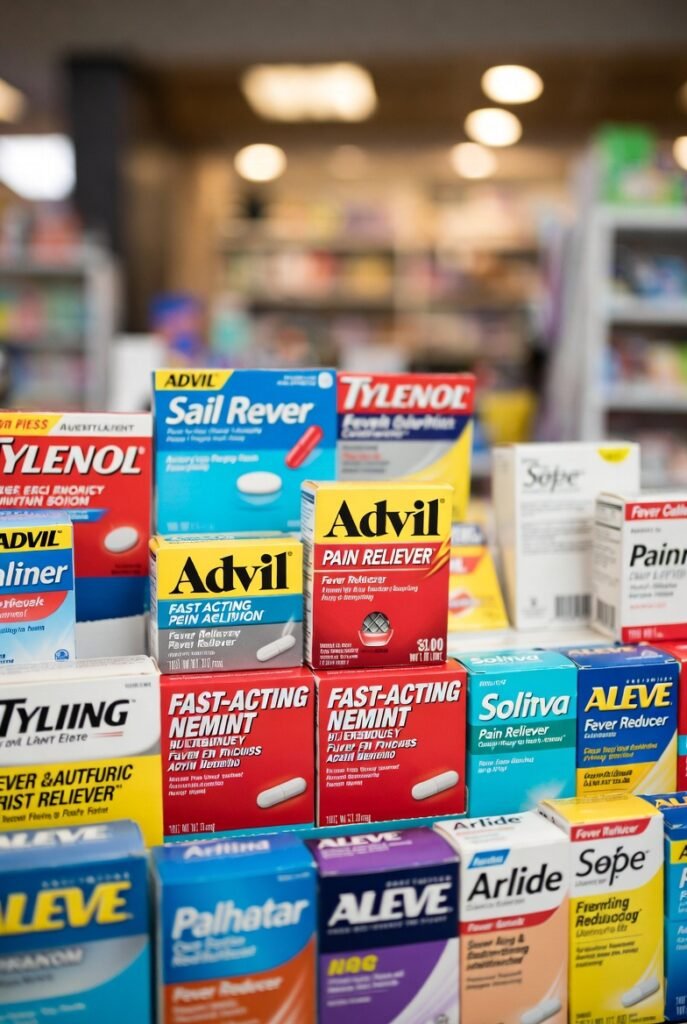
Simethicone works by helping small gas bubbles join together into larger ones that are easier for your body to pass, and it tends to work faster than remedies like hydration or dietary changes. It’s a good option to have on hand for occasional, uncomfortable bloating episodes.
7. Consider a Fiber Supplement (If Constipation Is the Cause)
If your bloating is tied to constipation rather than gas, a fiber supplement like psyllium husk can help move things along. It’s worth identifying which type of bloating you’re dealing with, since a gas-focused remedy won’t help much if constipation is the real issue.
8. Use an Antacid for Occasional Bloating
For bloating that comes with a feeling of fullness or mild indigestion after meals, an over-the-counter antacid can offer quick comfort. These work best for occasional bloating tied to eating, rather than as a long-term solution.
Diet & Hydration Fixes
9. Drink Water (Not Carbonated Drinks)
Staying well hydrated helps prevent constipation, which is a common bloating trigger, while carbonated drinks do the opposite by adding extra gas directly into your digestive system. Warm water in particular can feel especially soothing when you’re already uncomfortable.
10. Avoid Eating Too Quickly
Eating fast causes you to swallow more air, which fills your stomach with extra gas. Slowing down, chewing thoroughly, and putting your fork down between bites are simple changes that reduce how much air you take in during a meal.
11. Reconsider Your Straw and Gum Habits
Drinking through a straw and chewing gum both cause you to swallow more air than usual, which can contribute directly to that gassy, bloated feeling. Cutting back on both is an easy, often-overlooked fix.
12. Try a Low-FODMAP Approach (Especially If You Have IBS)
Some people, particularly those with IBS, find real relief by identifying and reducing high-FODMAP foods — certain fermentable carbohydrates that can trigger gas and bloating. This approach works best with guidance from a dietitian, since it involves a structured elimination and reintroduction process rather than random food-cutting.
Longer-Term, Preventive Fixes

13. Add Probiotic-Rich Foods
Foods like kefir, kimchi, and some yogurts contain beneficial bacteria that can help rebalance your gut microbiome over time. Probiotics work more gradually than other remedies on this list — it can take a few weeks to see the full benefit — but they address bloating at more of a root level rather than just symptom relief.
14. Practice Mindful, Smaller Meals
Eating smaller, more frequent meals rather than large ones can prevent the sudden bloating that often follows overeating. This also naturally slows down your eating pace, which reduces swallowed air as a bonus.
15. Avoid Lying Down Right After Eating
Staying upright for a bit after meals supports better digestion and reduces the likelihood of bloating and discomfort setting in. This is an especially useful habit if bloating tends to hit you hardest in the evening after dinner.
Quick Debloating Plan for Right Now
If you’re dealing with bloating in this exact moment, here’s a simple sequence to work through:
- Start with a 10-minute walk if you’re able to.
- Follow it with a warm cup of peppermint or ginger tea.
- Apply a warm compress to your abdomen while you relax.
- Practice slow, diaphragmatic breathing for a few minutes.
- If discomfort persists, consider an OTC option like simethicone.
Combining a few of these together tends to work faster than relying on just one.
Frequently Asked Questions
What is the fastest way to relieve bloating?
A short walk combined with a warm herbal tea like peppermint or ginger is one of the fastest, most accessible combinations, often bringing noticeable relief within 30-60 minutes. Over-the-counter simethicone can work even faster for gas-related bloating.
Why do I get bloated even after eating small meals?
This can happen due to food intolerances, swallowing air while eating, hormonal fluctuations, or an underlying condition like IBS. If small meals consistently cause bloating, it’s worth tracking your triggers or speaking with a doctor to identify the specific cause.
Are probiotics good for bloating relief?
Probiotics can help rebalance gut bacteria over time, but they typically take weeks to show their full benefit rather than offering fast, in-the-moment relief. They’re best thought of as a longer-term preventive strategy rather than a quick fix.
When should I worry about bloating and see a doctor?
If bloating comes with severe pain, vomiting, a hard stomach that doesn’t respond to home remedies, or sudden, significant abdominal swelling, it’s important to seek medical attention rather than continuing to try home treatments.
Final Thoughts
Most bloating is uncomfortable, not dangerous, and responds well to simple remedies like movement, warm compresses, herbal tea, and mindful eating habits. Keep a few of these in your back pocket for in-the-moment relief, and layer in the longer-term habits, like probiotics and smaller meals, if bloating tends to be a recurring issue for you. And if something ever feels off beyond typical bloating, don’t hesitate to check in with a doctor.
This is a health-related topic, and this article is intended for general informational purposes rather than medical advice. If you experience severe or persistent bloating, please consult a doctor.