
Some weeks you feel like you could take on the world in the gym, and others you’d rather not get off the couch at all. If you’ve chalked that shift up to randomness or a lack of discipline, there’s likely a more specific explanation running quietly in the background: your hormones. Estrogen and progesterone rise and fall in a predictable pattern across your menstrual cycle, and those shifts genuinely influence your energy, strength, mood, and even what your body craves.
Cycle syncing is the practice of working with that natural rhythm instead of against it, adjusting your workouts and diet to match what each phase of your cycle actually supports. It’s a popular approach for good reason. Instead of forcing the same intensity and the same meals every single day regardless of how you feel, cycle syncing gives you a framework for planning higher output around your natural energy peaks and building in more rest and recovery when your body is asking for it.
Below are 13+ cycle syncing workout and diet ideas, organized by each of the four phases, so you can start experimenting with a rhythm that actually matches your body’s own patterns.
A quick note on the science: cycle syncing is a popular, widely discussed practice, but it’s worth knowing that it hasn’t been studied extensively in controlled clinical research, and individual experiences of each phase can vary quite a bit. Think of the ideas below as a flexible framework to experiment with, not a rigid rulebook, and if you use hormonal birth control, your natural hormone fluctuations will look different, so these phase based patterns may apply less directly to you.
A Quick Overview of the Four Cycle Phases
Before diving into specific ideas, it helps to understand the general pattern most cycle syncing approaches are built around. The menstrual phase is when your period occurs and hormone levels are at their lowest, often bringing lower energy. The follicular phase follows, as estrogen begins rising and energy typically starts to climb. The ovulatory phase sits around the midpoint of the cycle, when estrogen and testosterone tend to peak alongside energy and confidence. The luteal phase comes last, as progesterone rises and then falls, often bringing PMS symptoms and a natural dip in energy as your period approaches.
A typical cycle runs around 28 days, though anywhere from 21 to 35 days is considered normal, and the exact length of each phase varies from person to person. Rather than tracking these phases by rigid day counts, many women find it more useful to simply pay attention to how they’re actually feeling and adjust accordingly.
Save worthy insight: Cycle syncing isn’t about doing less. It’s about matching your effort to the energy you actually have, so consistency feels sustainable all month long.
13+ Cycle Syncing Workout and Diet Ideas
Menstrual Phase (Low Energy, Focus on Rest and Restoration)

1. Choose gentle, low impact movement.
Walking, restorative yoga, and light stretching tend to feel more manageable during this phase, when energy is often at its lowest point in the cycle. Honoring this dip rather than pushing through it can make the rest of the month’s training feel more sustainable overall.
Read Also: Well Fit Look
2. Try vagal toning exercises for cramps or discomfort.
Diaphragmatic breathing and gentle meditation can help ease tension and discomfort some women experience during this phase, offering a low effort way to support your body without any physical exertion at all.
3. Focus on iron rich, anti inflammatory foods.
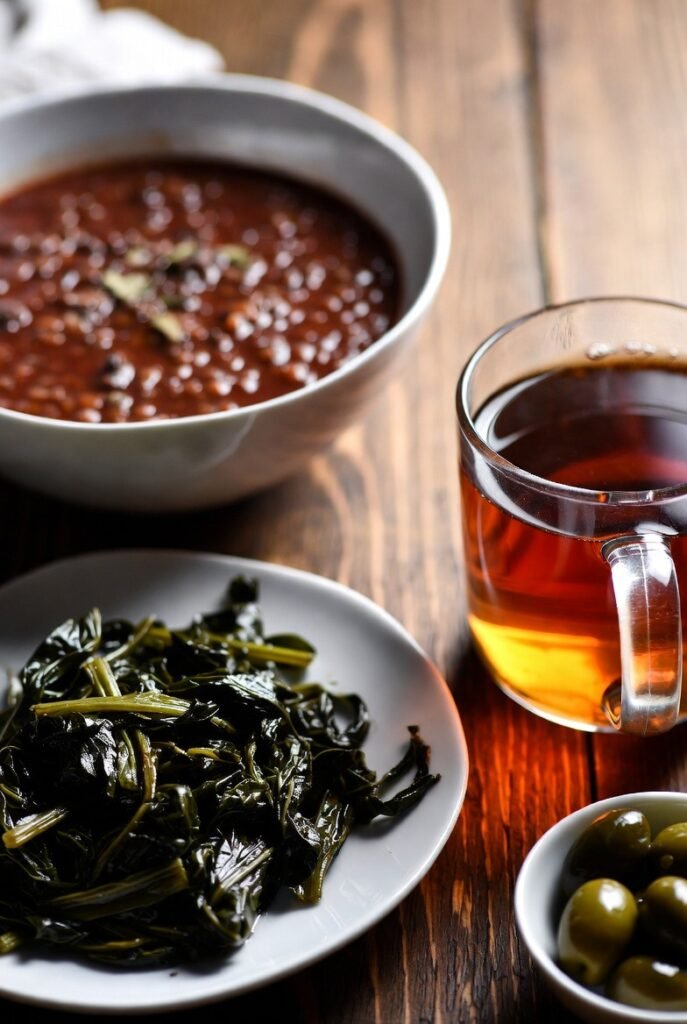
Foods like leafy greens, legumes, and lean meats or fish can help support your body as it loses iron through menstruation, while anti inflammatory foods more broadly may help support comfort during this phase.
4. Prioritize hydration and warming foods.
Warm soups, herbal teas, and adequate water intake can feel especially comforting during this phase, and staying hydrated is broadly supportive no matter which phase you’re in.
Follicular Phase (Rising Energy, Building Momentum)

5. Introduce higher intensity training as energy returns.
As estrogen begins rising, many women notice increasing energy and motivation, making this a good window to introduce more challenging strength sessions, higher intensity cardio, or simply increase training volume compared to the menstrual phase.
6. Try a new workout style or class.
Rising energy and motivation can make the follicular phase a good time to experiment with something new, whether that’s a class you’ve been curious about or a training style you haven’t tried before, since motivation to learn new movement patterns often feels more accessible here.
7. Focus on lighter, fresh, nutrient dense foods.
Foods like leafy greens, fermented foods, and lighter proteins tend to align well with the rising energy of this phase, supporting the increased activity many women naturally take on as this phase progresses.
8. Support your body with B vitamins and fiber.
Foods rich in B vitamins, such as eggs, whole grains, and leafy greens, along with fiber from vegetables and legumes, can support the metabolic changes happening as estrogen rises during this phase.
Ovulatory Phase (Peak Energy, Highest Output Window)
9. Take advantage of peak energy with your most demanding workouts.
This phase, occurring roughly midway through the cycle, is often associated with peak estrogen and testosterone levels alongside peak energy. Many women find this the ideal window for their highest intensity training, personal records, or the most demanding sessions on their calendar.
10. Lean into social or group based movement.
Increased confidence and energy during this phase can make group classes, team sports, or a workout with a friend feel especially appealing, and taking advantage of that social energy can make training feel more enjoyable during this window.
11. Fuel with nutrient rich foods that support increased output.
Since energy and activity levels tend to be higher during this phase, focusing on nutrient dense meals with adequate protein, colorful vegetables, and healthy fats helps support both performance and recovery from more demanding sessions.
Luteal Phase (Declining Energy, Focus on Steady Support)

12. Shift toward moderate intensity and gradually taper down.
As progesterone rises and then falls through this phase, energy for many women gradually decreases, especially in the days leading up to their period. Moderate intensity training, Pilates, swimming, or steady state cardio, tends to feel more sustainable than pushing for new personal bests during this window.
13. Prioritize magnesium rich and complex carbohydrate foods.
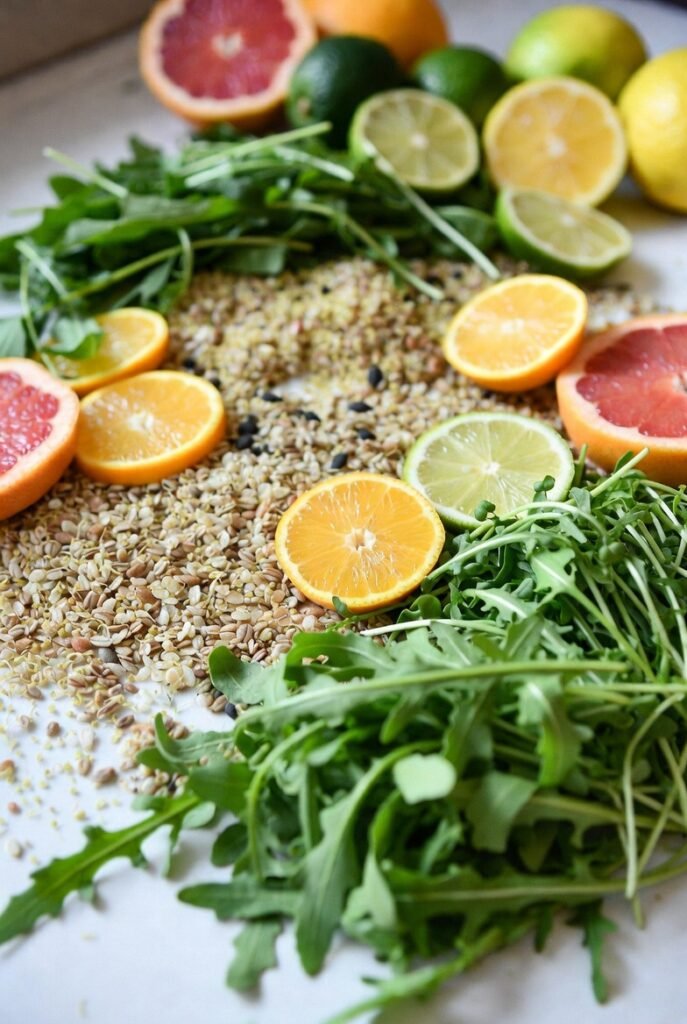
Foods like leafy greens, nuts, seeds, and whole grains provide magnesium and complex carbohydrates that may help support mood and energy as PMS symptoms can become more noticeable during this phase.
14. Satisfy cravings thoughtfully rather than restrictively.
Cravings often increase during the luteal phase, and rather than fighting them entirely, satisfying them with more nourishing options, like dark chocolate, fruit, or lightly salted nuts, tends to feel more sustainable than strict restriction, which can backfire into less balanced eating later.
15. Stay especially consistent with hydration.
Adequate water intake can help ease bloating and support overall comfort as your body prepares for your next period, making this a phase where hydration deserves a bit of extra attention.
Bonus Idea for Every Phase
16. Track your own patterns instead of relying solely on general guidelines.
Every woman’s experience of each phase is a little different, and keeping a simple log of your energy, mood, and cravings across a few cycles will give you a far more accurate, personalized picture than generic phase descriptions alone. Over time, this personal data becomes the most useful tool for fine tuning your own version of cycle syncing.
How to Start Cycle Syncing Without Overcomplicating It
You don’t need a rigid, color coded calendar to benefit from this approach. A simple starting point is tracking your cycle with an app or a basic calendar, noting roughly which phase you’re in, and paying attention to your energy and mood as you go. From there, experiment with shifting your training intensity and a few food choices to match what you’re noticing, rather than trying to overhaul your entire routine and meal plan overnight.
It’s also worth remembering that cycle syncing is meant to be a flexible framework, not a strict set of rules. If a high intensity workout genuinely appeals to you during your luteal phase, or a rest day feels right during your follicular phase, honoring how you actually feel in the moment matters more than rigidly following a phase based script.
Frequently Asked Questions
Is cycle syncing backed by strong scientific research?
Cycle syncing is a widely discussed and popular practice, but it hasn’t been extensively studied in controlled clinical research, and individual experiences vary. There is more established research on general differences in mood, energy, and hormones across the menstrual cycle, though direct evidence for structured cycle syncing programs specifically remains limited.
Does cycle syncing work the same way if I’m on hormonal birth control?
Not exactly. Hormonal birth control changes your body’s natural hormone fluctuations, so the phase based patterns described above may not apply in the same way. Some non hormonal methods, like certain IUDs, don’t disrupt your natural cycle, so cycle syncing may still be relevant if you use one of those.
Do I need to follow cycle syncing exactly to benefit from it?
No. Many women find value simply in paying closer attention to their energy and cravings throughout the month, even without following a strict phase based plan. Treat these ideas as a flexible starting framework rather than a rigid requirement.
Will cycle syncing help with PMS symptoms?
Some women report that adjusting their diet and exercise around their luteal phase helps ease PMS related symptoms like fatigue, cravings, and mood changes, though individual results vary and this hasn’t been established through extensive clinical research. If PMS symptoms are significantly affecting your life, it’s worth discussing with a healthcare provider.
Is it okay to skip intense workouts during my period if I don’t feel up to it?
Absolutely. Many cycle syncing approaches specifically recommend gentler movement during the menstrual phase precisely because energy tends to be lower, and there’s no requirement to push through intense training if your body is asking for rest.
Final Thoughts: Work With Your Body’s Natural Rhythm
Cycle syncing isn’t about restricting yourself or forcing a rigid schedule onto your body. It’s about paying closer attention to the natural rhythm you’re already experiencing every month, and using that awareness to plan your training and meals in a way that actually supports how you feel, rather than fighting against it.
Start by tracking your own patterns for a cycle or two, experiment with a few of these 13+ ideas, and adjust based on what you personally notice, since your own experience will always be a more reliable guide than any general framework alone.