
Iron deficiency is one of the most common nutrient gaps in the world, and women bear the brunt of it, largely thanks to menstruation, pregnancy, and higher activity levels. If you’ve been feeling unusually tired, foggy, or just “off” and wonder if low iron could be the culprit, this guide covers everything you need: the signs, how to get tested, which supplement to choose, and exactly how to take it for the best results.
Why Women Are More Prone to Iron Deficiency
Iron deficiency is common in women of childbearing age, largely because monthly blood loss from menstruation steadily depletes iron stores. Pregnancy further increases iron needs to support both mother and baby, and women who exercise heavily are also at elevated risk. Among non-pregnant women worldwide, roughly one-third are estimated to be anemic, making this one of the most widespread, and most correctable, nutrient issues women face.
Signs of Low Iron to Watch For
- Persistent fatigue and weakness
- Brain fog or trouble concentrating
- Shortness of breath
- Heart palpitations
- Headaches
- Craving ice (a symptom sometimes specifically linked to iron deficiency)
- Irregular heartbeat
Because many of these symptoms — especially fatigue and brain fog — can overlap with things like perimenopause or general stress, it’s easy to write them off. That overlap is exactly why testing matters more than guessing.
15+ Tips for Choosing and Taking an Iron Supplement
1. Get Tested Before You Supplement

Testing confirms whether you actually have iron deficiency or iron-deficiency anemia, which helps guide the right dose and treatment plan rather than leaving you guessing.
2. Understand There’s No Universal “Best” Iron Supplement
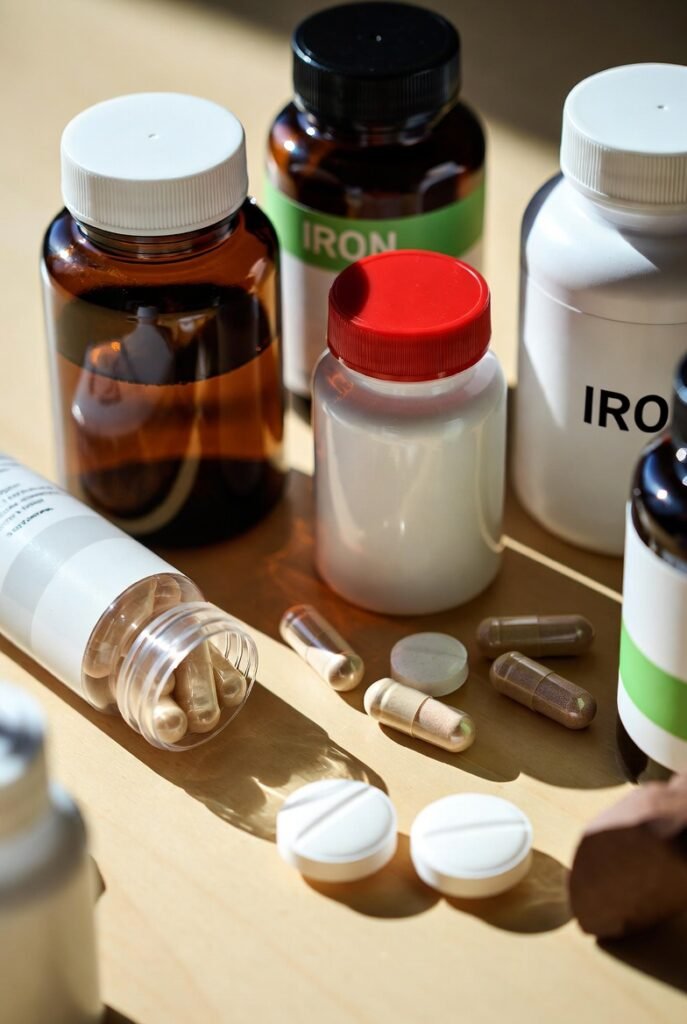
The right option depends on your iron levels, symptoms, and personal tolerance. It may take some trial and error to find a form that works well for your body.
3. Know the Standard Treatment Dose Range
For women diagnosed with iron deficiency anemia, dosages typically range from 60–120 mg of elemental iron daily, though some guidelines suggest a broader range of 30–200 mg depending on severity and current research.
4. Consider Every-Other-Day Dosing
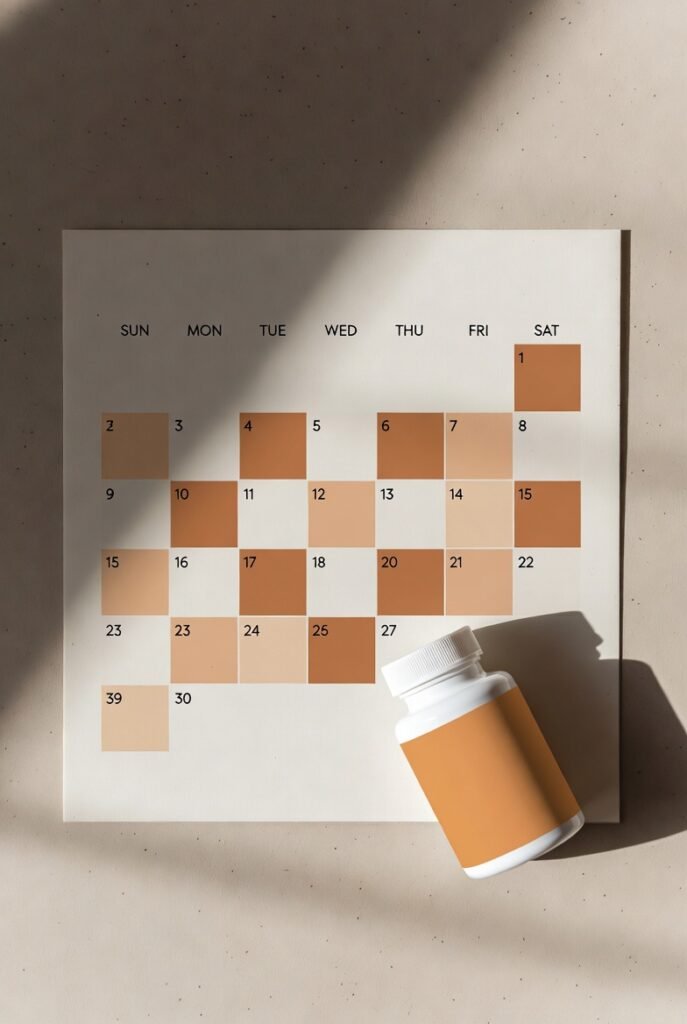
Interestingly, more recent research suggests that taking iron supplements every other day, rather than daily, may actually improve how well your body absorbs it, since daily dosing can trigger a hormone (hepcidin) that reduces absorption.
Read Also: Well Fit Look
5. Take a Single Dose Rather Than Splitting It
Research also suggests taking iron as one single dose rather than splitting it into multiple smaller doses throughout the day tends to optimize absorption.
6. Take It in the Morning

Your body can absorb significantly more iron earlier in the day, when levels of the iron-regulating hormone hepcidin are naturally at their lowest.
7. Start With Half the Recommended Dose
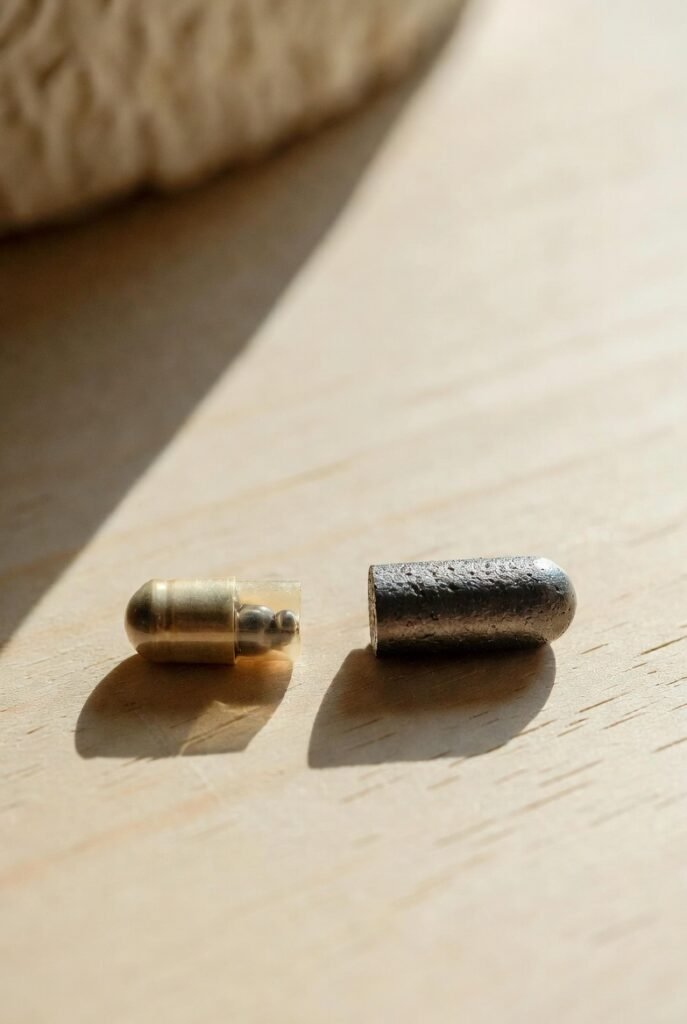
If your doctor has prescribed a specific amount, starting with half that dose and gradually increasing can help your body adjust and minimize digestive discomfort.
8. Take It With Vitamin C

Vitamin C significantly boosts iron absorption, so pairing your supplement with a glass of orange juice or a vitamin C-rich food can make a real difference.
9. Take It on an Empty Stomach When Possible
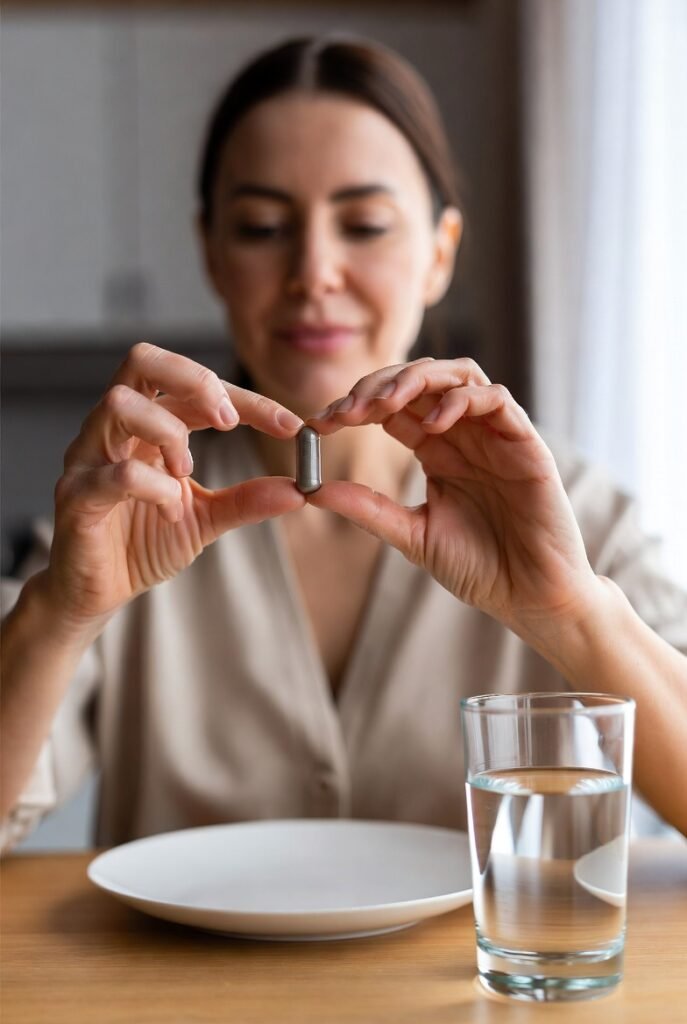
Iron is best absorbed on an empty stomach, though if this causes stomach upset, taking it with a small amount of food is a reasonable adjustment.
10. Avoid Caffeine Around Supplement Time
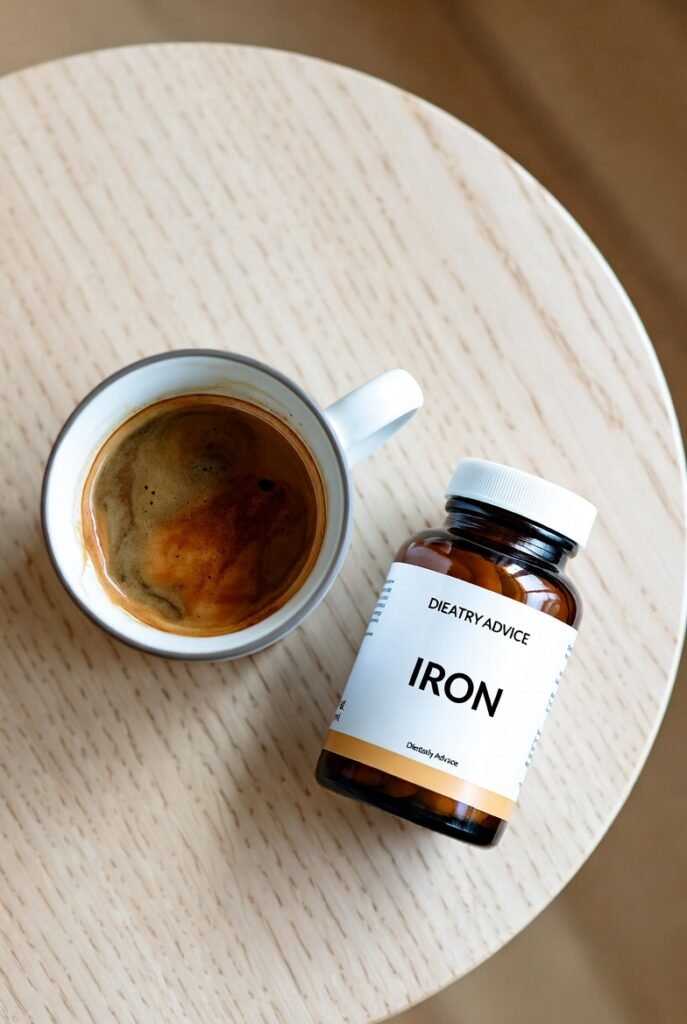
Caffeine can block iron absorption, so it’s best to separate your coffee or tea from your iron supplement by a couple of hours.
11. Watch Out for Calcium and Antacids
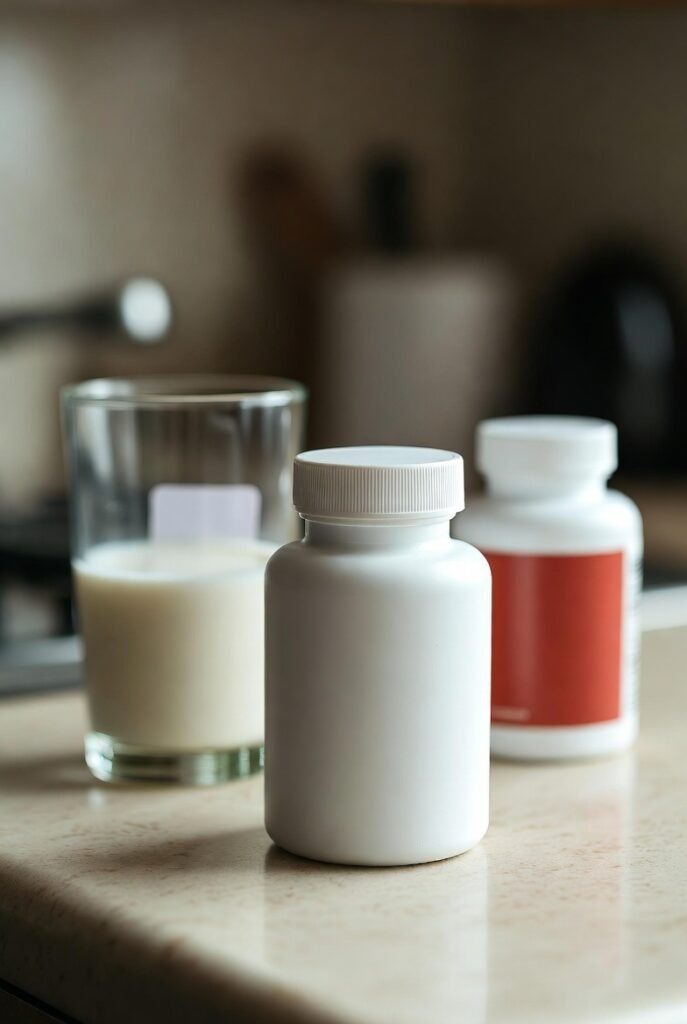
Milk, calcium supplements, and antacids can interfere with iron absorption, so it’s generally recommended to wait at least two hours between these and your iron supplement.
12. Be Aware of High-Fiber Foods and Certain Plant Compounds
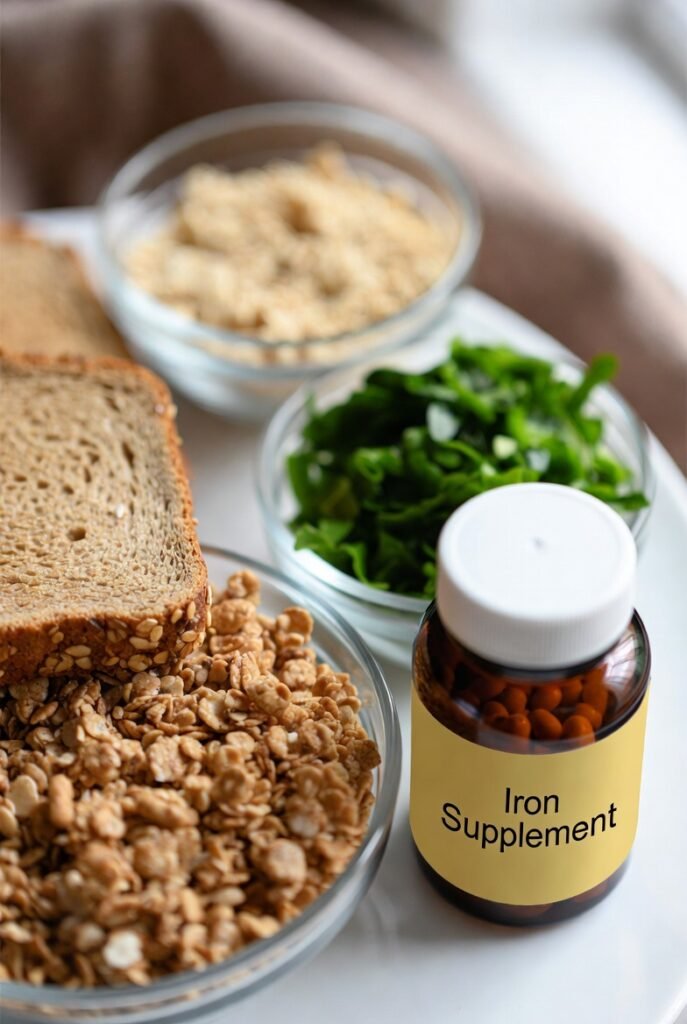
Tannins (found in tea), soy proteins, and phytates (found in whole grains and legumes) can all reduce how well your body absorbs iron, so try to avoid pairing your supplement directly with these.
13. Watch for Constipation

Constipation is a common side effect of iron supplementation. If it becomes an issue, a stool softener can help, though it’s worth discussing with your doctor or pharmacist.
14. Consider a Liquid Form If You Prefer It, But Protect Your Teeth
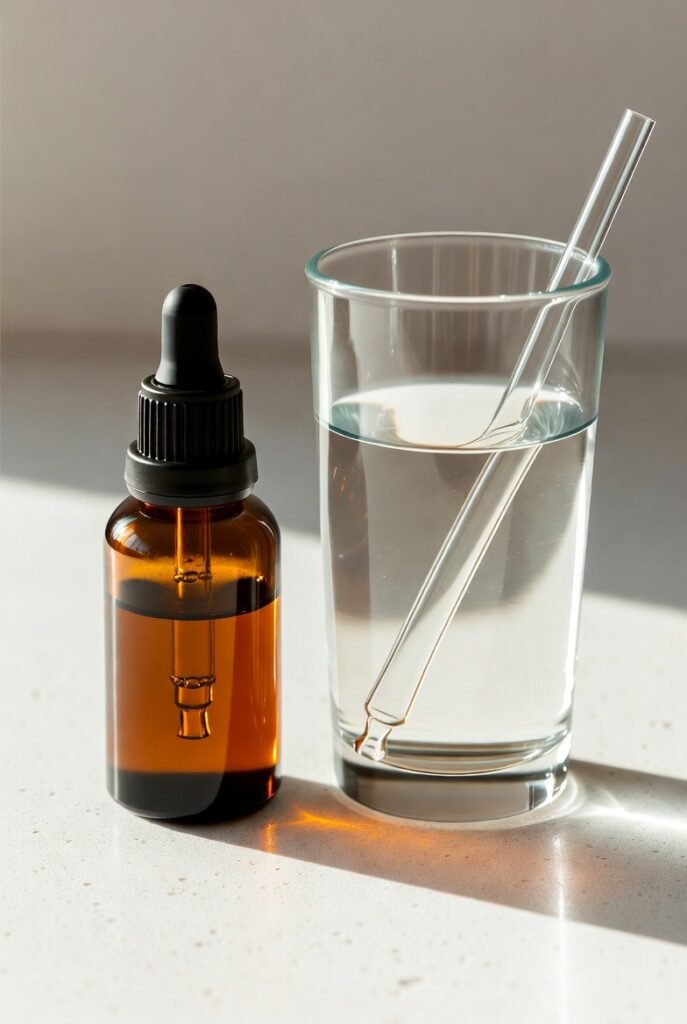
Liquid iron can stain teeth, so mixing it into water or juice and drinking it through a straw can help minimize that effect.
15. Understand Common Supplement Types
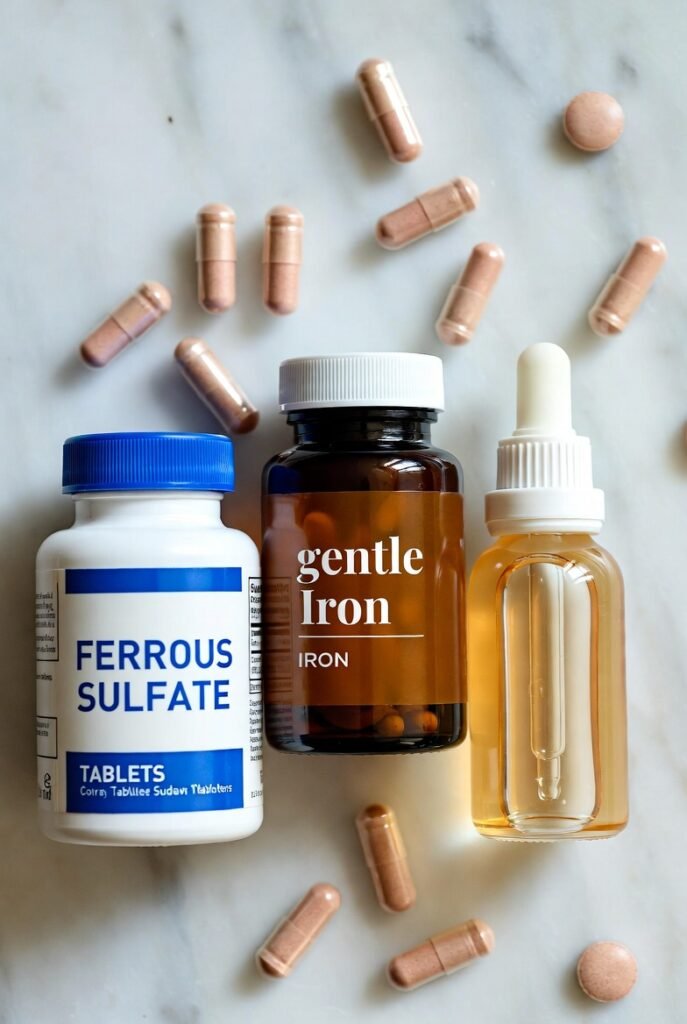
Ferrous sulfate is the most commonly prescribed iron supplement form, though other forms exist that may be gentler on the stomach, depending on individual tolerance.
Bonus Tip 16: Plan for Several Months of Supplementation
Iron supplementation is often continued for 2–6 months, or sometimes longer, to fully restore your body’s iron stores, even after your lab numbers start to improve.
Bonus Tip 17: Get Follow-Up Blood Work
Routine blood work helps confirm your supplement is actually working and allows for quicker adjustments if your levels aren’t responding as expected.
Bonus Tip 18: Address the Underlying Cause
Correcting your iron numbers on paper isn’t the whole story — factors like heavy periods, digestive conditions, or chronic inflammation need to be addressed too, or your iron levels may simply drop again over time.
Bonus Tip 19: Know When IV Iron Might Be the Better Option
If oral supplements aren’t improving your levels, cause significant side effects, or you have ongoing blood loss or a severe deficiency needing quicker correction, intravenous iron may be a more appropriate option to discuss with your doctor.
Dietary Sources of Iron Worth Knowing
Iron comes in two dietary forms: heme iron, found in animal products, and non-heme iron, found in plants and legumes like lentils and beans. Many food products, including some breakfast cereals, are also fortified with iron, offering another practical way to support your intake alongside supplementation.
Who’s at Higher Risk and Should Monitor Closely
- Women with heavy menstrual periods
- Athletes and those with intense exercise routines
- Vegetarians and vegans, since plant-based (non-heme) iron is less readily absorbed
- Pregnant women, given significantly increased iron needs
Frequently Asked Questions
How do I know if I need an iron supplement?
The only reliable way is through blood testing ordered by your doctor, since symptoms like fatigue can overlap with many other causes.
What’s the best time of day to take iron?
Morning is generally recommended, since your body absorbs iron more efficiently when hepcidin levels are naturally lower.
Can I take iron with my other vitamins?
Not always. Calcium and antacids should be separated from iron by at least two hours, so check your full supplement routine for potential interactions.
How long does it take for iron supplements to work?
Many women notice improvements in fatigue within a few weeks, though fully restoring iron stores can take 2–6 months or longer of consistent supplementation.
Final Thoughts
Iron deficiency is common, treatable, and often hiding behind symptoms that are easy to explain away as “just being busy” or “just getting older.” If any of the signs above sound familiar, start with a simple blood test rather than guessing, then work with your doctor to find the right dose, form, and timing for your body. With the right approach, most women see real, measurable improvement.