
Your gut is home to roughly 100 trillion bacteria and other microbes, and what you feed them daily has a real influence on digestion, immunity, and even mood. The good news is that supporting your gut doesn’t require an expensive supplement stack or a complicated protocol — it comes down to consistently choosing the right everyday foods.
Below you’ll find 12+ gut health foods to eat daily, covering probiotics, prebiotics, fiber-rich staples, and the everyday habits that make them actually effective. Save this list, because gut health is built through consistency, not a single “superfood” you eat once and forget about.
Why Gut Health Deserves Daily Attention
A healthy gut microbiota may help foster a healthy immune system and reduce damaging inflammation throughout the body. On the flip side, an imbalanced gut environment has been linked to everything from mood disorders and obesity to diabetes and other chronic conditions, which is exactly why nutrition experts increasingly treat gut health as a daily priority rather than an occasional afterthought.
Two categories of food matter most here: probiotics, the live beneficial bacteria found in fermented foods, and prebiotics, the fibers that feed the good bacteria already living in your gut. You need both working together — eating probiotics without feeding them well with prebiotic fiber won’t get you very far, since your gut environment needs the right conditions for those bacteria to actually thrive.
One more important point: slipping in an occasional probiotic-rich food won’t meaningfully shift your gut health. Consistency is what counts, with many experts recommending you try to work gut-supportive foods into your meals daily rather than sporadically.
12+ Gut Health Foods to Eat Daily
Probiotic Powerhouses
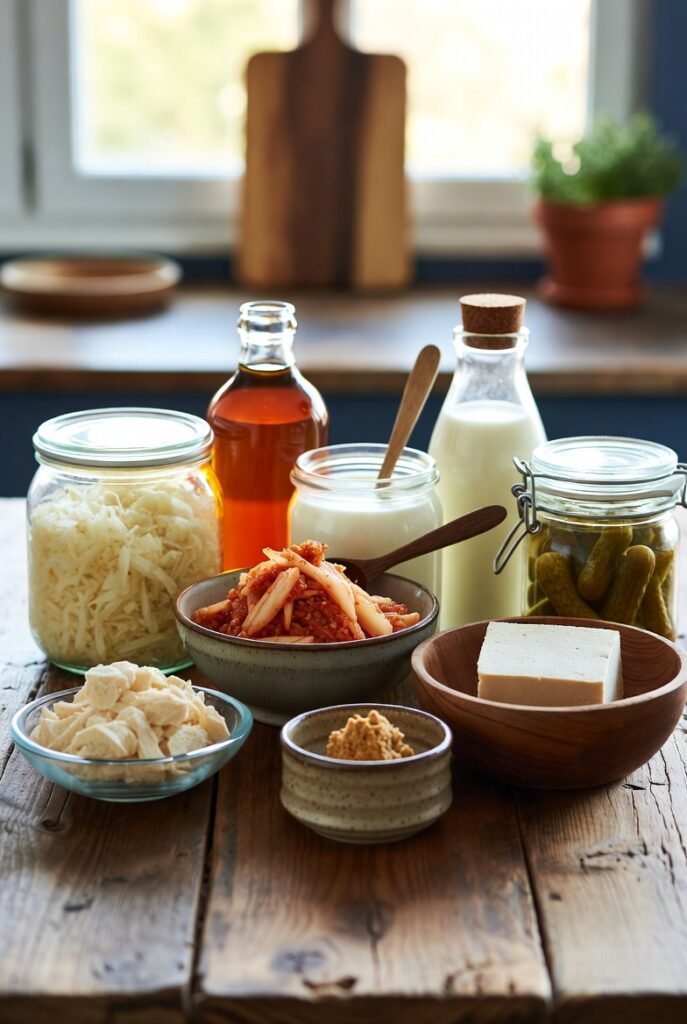
1. Plain Yogurt
Choose yogurt with live and active cultures and no added sugar for one of the most accessible sources of “friendly” bacteria available. Mixing in fresh fruit turns it into a genuinely tasty breakfast or snack rather than a chore.
2. Kefir
Kefir is a fermented dairy drink that typically contains an even broader range of probiotic strains than yogurt, making it a strong daily addition for anyone serious about gut diversity.
3. Sauerkraut
A forkful or two of sauerkraut alongside a sandwich at lunch is an easy, low-effort way to add fermented probiotics into a meal you’re already eating.
Read Also: Well Fit Look
4. Kimchi
This fermented, spiced cabbage dish delivers both probiotics and a serving of vegetables in one bite, making it an efficient addition to rice bowls, eggs, or noodle dishes.
5. Kombucha
This fermented tea drink is full of probiotic bacteria and can be enjoyed on its own or mixed with fruit for extra flavor, making it a good alternative for people who don’t love the taste of fermented vegetables.
Prebiotic-Rich Staples
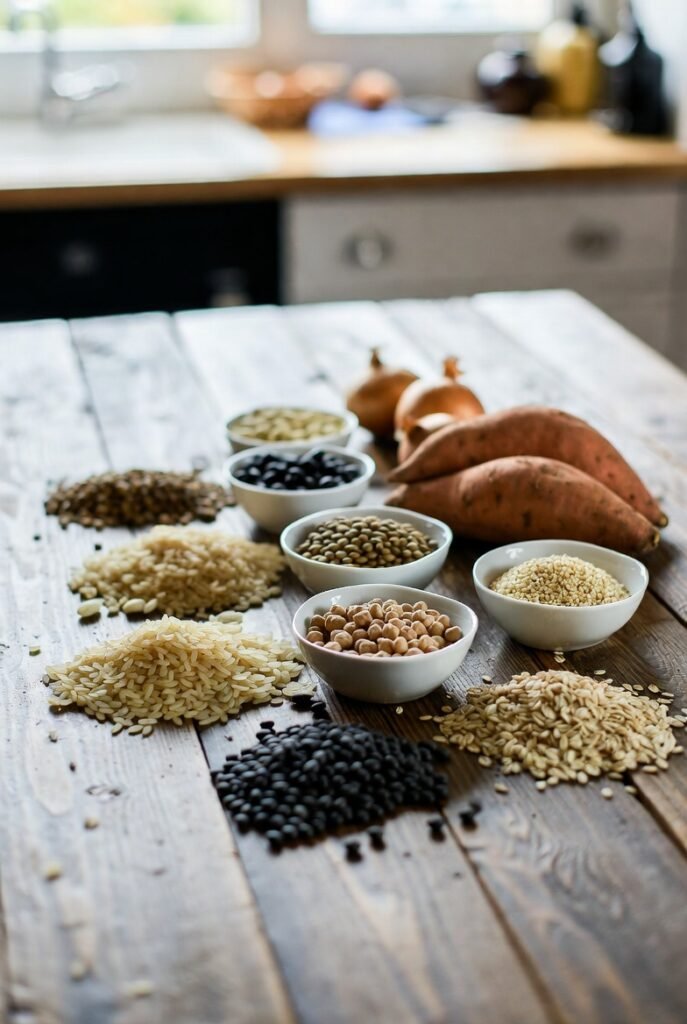
6. Garlic and Onions
Both flavor food and support gut health at the same time, and raw versions of each are especially high in prebiotic fiber, making a simple homemade vinaigrette or salsa doubly beneficial.
7. Leeks and Asparagus
Members of the same allium and prebiotic-rich vegetable families, these are easy additions to soups, stir-fries, and roasted vegetable sides.
8. Bananas
A convenient, portable prebiotic source that requires zero prep, making it one of the easiest daily gut health foods to actually stick with.
Fiber-Rich Foods
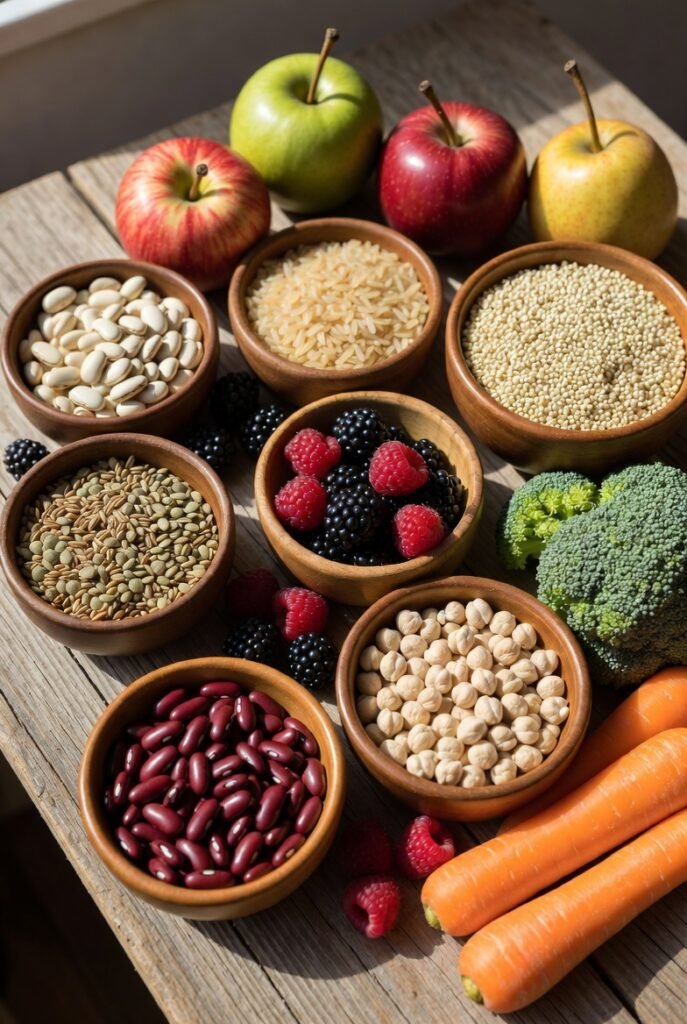
9. Legumes (Lentils, Chickpeas, Beans)
A cup of lentils alone provides substantial fiber and protein, and legumes generally are one of the most efficient ways to feed the beneficial bacteria in your gut. Starting with lentils is an easy entry point since they cook quickly and work in soups, salads, or homemade burgers.
10. Whole Grains (Oats, Quinoa, Brown Rice)
Optimal gut function requires a meaningful amount of daily fiber, and whole grains deliver far more of it than their refined counterparts. When gut bacteria ferment this fiber, they produce compounds that support the health of the cells lining your colon — where a large share of your immune cells live.
11. Leafy Greens (Spinach, Kale)
Beyond fiber, leafy greens contain a specific type of sugar that helps fuel the growth of healthy gut bacteria, making them a uniquely useful daily addition rather than just a generic “healthy vegetable.”
12. Green Peas
Full of both soluble and insoluble fiber, peas are an easy add-in for stir-fries, soups, or salads, and frozen peas make them available year-round with zero prep time.
Bonus Gut-Supportive Foods
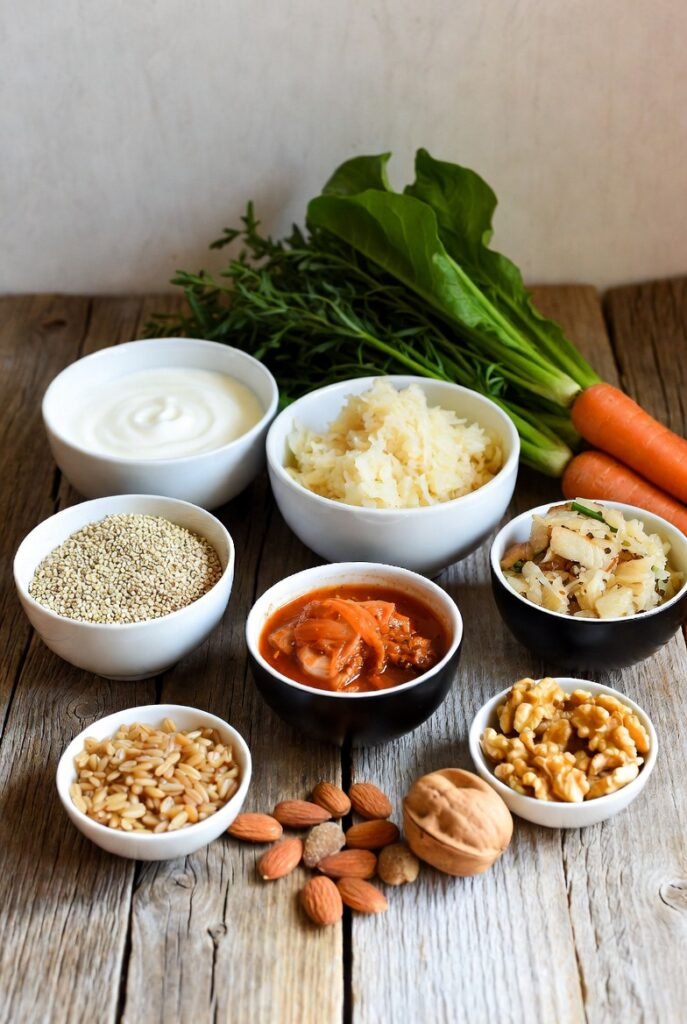
13. Extra Virgin Olive Oil
Olive oil’s fatty acids and polyphenols have been shown to help reduce gut inflammation, and it may also ease some indigestion issues, making it a smart everyday cooking and dressing oil.
14. Ginger and Turmeric
Ginger promotes healthy gut motility and can ease common digestive complaints like bloating and indigestion, while turmeric’s anti-inflammatory properties have been studied for their role in soothing digestive discomfort.
15. Bone Broth
Rich in collagen, bone broth is often included in gut-focused eating patterns, and it doubles as a warming, low-effort way to hydrate and add nutrients to your day.
How to Turn This List Into a Daily Habit
You don’t need to eat all 12+ of these foods every single day. A simple, sustainable approach looks like:
- Pick one probiotic food (yogurt, kefir, sauerkraut, or kimchi) to include daily.
- Build meals around fiber first — legumes, whole grains, and leafy greens should make up a meaningful share of your plate.
- Cook with prebiotic aromatics like garlic and onion as your everyday flavor base rather than an occasional extra.
- Aim for color and variety. Eating a wide range of fruits and vegetables feeds a wider range of gut bacteria than eating the same few foods on repeat.
Habits That Support Gut Health Beyond Food
- Eat slowly and chew thoroughly. This simple habit may reduce digestive discomfort and even support healthier long-term weight management.
- Stay hydrated. Drinking enough water is linked to greater diversity of gut bacteria and helps prevent constipation.
- Limit processed foods. Heavily processed foods tend to reduce the diversity of organisms living in your gut, so keeping them to a smaller share of your diet matters.
- Be consistent, not perfect. A gut-supportive habit practiced daily will outperform an occasional “gut health binge” every time.
Frequently Asked Questions
How long does it take to notice a difference in gut health?
This varies by individual, but consistency matters more than any single food — many experts suggest thinking in terms of weeks of steady habits rather than expecting overnight changes.
Do I need both probiotic and prebiotic foods, or is one enough?
Both play a role. Probiotics add beneficial bacteria to your gut, while prebiotic fiber feeds the bacteria already there, so including both types of foods supports the process more completely than relying on just one.
Can I get enough gut-healthy nutrients from food alone, or do I need a supplement?
Many people can meet their needs through food, though a prebiotic or probiotic supplement may help some individuals — this is worth discussing with a doctor or dietitian if you’re considering one.
Is fermented food or fiber more important for gut health?
Both matter, and research suggests they work differently — some experts note that consistent fermented food intake may offer benefits distinct from a high-fiber approach alone, which is part of why variety across both categories tends to be recommended.
Final Thoughts
Gut health isn’t built through one miracle food — it’s built through small, consistent choices made meal after meal. Pick two or three ideas from this list to start weaving into your day this week, whether that’s a spoonful of sauerkraut at lunch or a daily bowl of lentil soup, and let the habit compound from there.