
Walking might be the most underrated weight loss tool out there. While everyone chases extreme workouts and complicated diets, people who walk consistently quietly get lasting results — without the burnout, the injuries, or the unsustainable lifestyle overhaul. No equipment, no gym membership, no steep learning curve. Just steady steps that add up.
Below you’ll find 14+ walking for weight loss plan ideas, covering everything from beginner schedules to pace techniques to the small tweaks that turn an ordinary walk into a genuine calorie-burning habit. Whether you’re starting from zero or looking to get more out of walks you already take, there’s something here you can start using today.
Is Walking Really Enough for Weight Loss?
Walking is beneficial for weight loss, but it works best as part of the full picture — alongside nutritious eating, adequate rest, and stress management, not as a replacement for all of it. That said, walking has a genuine edge that other cardio doesn’t: walking at a moderate pace burns a meaningfully higher percentage of calories from fat than intense exercise does, which makes it a particularly effective, low-injury-risk way to chip away at stubborn fat over time — including visceral belly fat, even before the scale moves much.
The Centers for Disease Control and Prevention recommends at least 150 minutes of moderate-intensity aerobic activity per week, such as brisk walking. That works out to roughly 20-30 minutes a day, which is realistic for almost anyone to fit into a normal schedule.
14+ Walking for Weight Loss Plan Ideas
Getting Started: Beginner Plan Structure
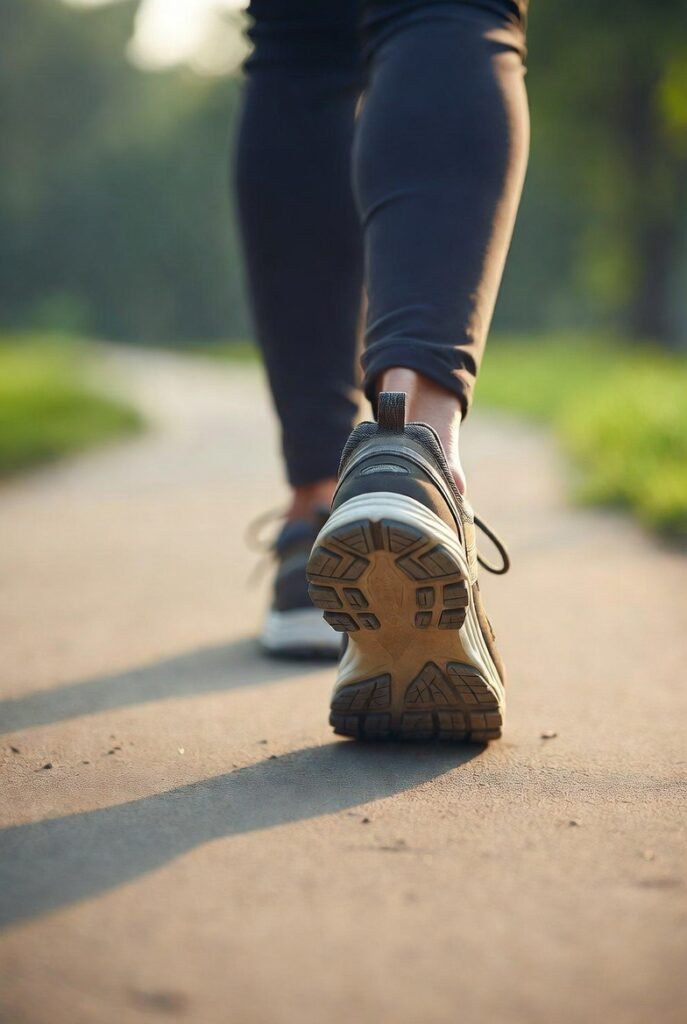
1. Start With Just 10 Minutes a Day
If you’re new to walking for weight loss, resist the urge to jump straight into an hour-long walk. Ten minutes at a moderate, steady pace is enough to build the habit, and it’s far more sustainable than burning out in week one.
2. Follow a Simple Weekly Rhythm
A beginner week might look like: Monday — 10-minute moderate walk; Tuesday — rest or gentle stretching; Wednesday — 10-minute walk with light inclines; Thursday — rest or gentle yoga; Friday — 10-minute interval walk (1 minute fast, 2 minutes moderate); Saturday — 15-20 minute comfortable walk; Sunday — rest. This kind of structure builds consistency without overwhelming your schedule.
3. Add 1-5 Minutes Each Week
Once 10-minute walks start to feel easy, add a few minutes to your daily walk rather than jumping to a completely new distance. Gradual increases are far easier to sustain than dramatic jumps, and they reduce the risk of overuse injuries.
Read Also: Well Fit Look
4. Aim to Work Up to 30-45 Minutes
Over several weeks, build toward being able to walk comfortably for 30-45 minutes without stopping. This duration puts you solidly within range of the CDC’s weekly recommendation while remaining realistic for daily life.
Pace & Technique for Maximum Fat Burn
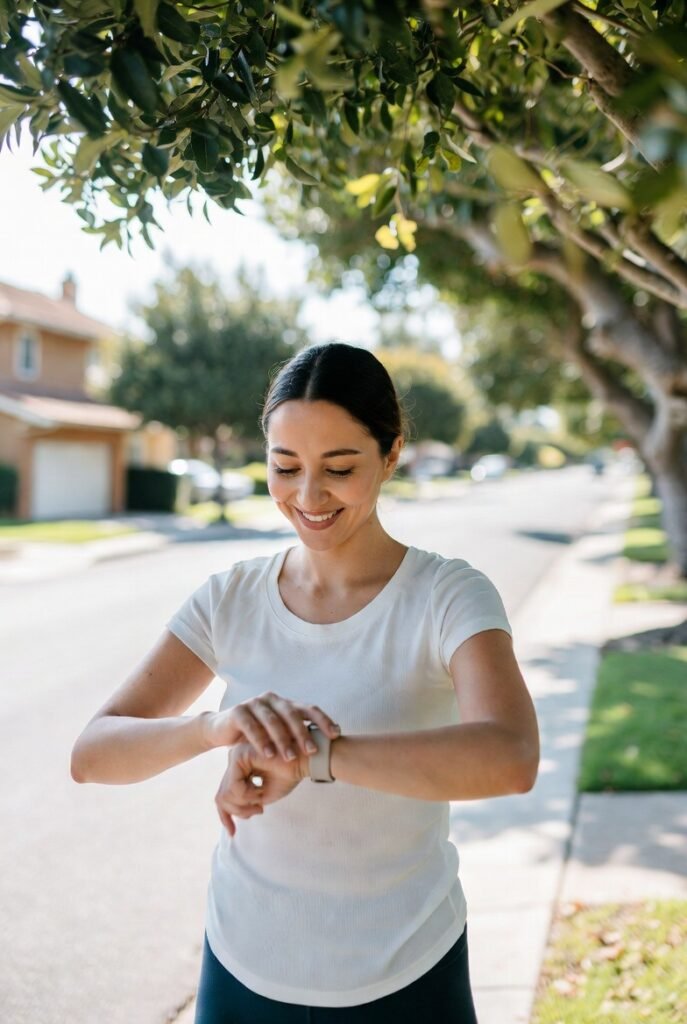
5. Find Your “Zone 2” Pace
A moderate pace — one where you can hold a conversation but couldn’t comfortably sing — is considered optimal for fat-burning. This is often called “Zone 2” walking, and it maximizes fat oxidation while staying sustainable enough to do for longer stretches.
6. Use Interval Walking
Alternate one minute at a brisk pace with one to two minutes at a comfortable pace, repeating throughout your walk. Interval walking raises your average calorie burn compared to walking at a single steady speed the whole time, without requiring you to sprint.
7. Add Hills or Incline
Find a gradual hill or incline (or use an incline setting on a treadmill) and walk uphill at a brisk pace before recovering on the way down. Incline walking recruits your glutes and hamstrings more than flat walking, increasing the overall effort and calorie burn of the same time spent walking.
8. Warm Up and Cool Down
Start every walk with about five minutes at a slower pace before building to your target speed, and do the same at the end. This simple habit helps prevent overuse injuries and lets your body ease in and out of exertion safely.
Building a Full Weekly Plan

9. Combine Walking With Strength Training
Add two days of muscle-building activity, like bodyweight strength exercises or resistance bands, alongside your walking days. Building muscle increases your resting calorie burn, which compounds with the calories you’re already burning through walking.
10. Include an Endurance Walk
Once a week, add one longer, steady walk — 40-45 minutes — at a comfortable pace. Endurance walks build stamina and cardiovascular fitness in a way that shorter daily walks alone don’t fully cover.
11. Schedule a Recovery Stroll
Include one leisurely 20-25 minute walk at an easy pace purely for recovery. This keeps you moving on lighter days without adding the fatigue of another intense session, which supports better consistency overall.
12. Track More Than Just Time
Track your steps or minutes weekly, not just whether you “did a walk” that day. A simple tracker or notebook makes it easy to see steady progress and stay motivated even when the scale is slow to move.
Staying Consistent Long-Term

13. Change Up Your Route
Try new trails, different neighborhoods, a local track, or stadium ramps to keep walks interesting. Variety in scenery makes walking feel less like a chore and more like something you look forward to.
14. Track More Than Weight
Notice improvements beyond the scale — better sleep, more energy, increased stamina, or an easier time climbing stairs. People who focus only on scale outcomes are more likely to give up when progress feels slow, while those who notice these other wins tend to stick with it.
15. Set Small, Non-Scale Goals
Aim for something concrete, like finishing a local walking event or hitting a new weekly step total, rather than only chasing a number on the scale. Small, achievable milestones build momentum in a way that abstract goals like “lose weight” often don’t.
16. Bring Along Music or a Podcast
Queue up a favorite playlist or podcast episode to look forward to during your walk. This small addition can turn a walk from a task on your to-do list into something you genuinely enjoy.
Sample 7-Day Beginner Walking Schedule
| Day | Activity |
|---|---|
| Monday | 10-minute moderate walk |
| Tuesday | Rest or gentle stretching |
| Wednesday | 10-minute walk with light inclines |
| Thursday | Rest or light yoga |
| Friday | 10-minute interval walk (1 min fast / 2 min moderate) |
| Saturday | 15-20 minute comfortable walk |
| Sunday | Rest |
As this becomes easy, gradually extend each walk by a few minutes and introduce the endurance and recovery walk concepts above.
Frequently Asked Questions
How many minutes a day should I walk to lose weight?
Most experts recommend building toward 45-60 minutes of walking most days, or roughly 150 minutes per week at a minimum, though any increase from your current activity level is a step in the right direction.
Does walking help with belly fat specifically?
Walking, particularly at a moderate pace, has been shown to help reduce waist circumference over time, even before significant overall weight loss shows up on the scale.
How soon will I notice results from a walking plan?
Many people notice improved energy and sleep within the first one to two weeks, with visible physical changes typically appearing around weeks four to six of consistent walking.
Is walking alone enough, or do I need to combine it with anything else?
Walking is a strong foundation, but pairing it with nutritious eating, adequate rest, and some strength training tends to produce better and more sustainable results than walking alone.
Final Thoughts
You don’t need a complicated program to start losing weight through walking — you need consistency. Start with what feels manageable today, whether that’s 10 minutes or 30, and build gradually from there. Walking becomes sustainable the moment it stops feeling like a chore and starts feeling like part of who you are, and that’s exactly when the results start to show.