
Some days it feels like your battery is stuck at 20% no matter how much sleep you get. You’re not lazy, and you’re not imagining it — persistent low energy in women is incredibly common, often tied to nutrient gaps, hormonal shifts, or the everyday demands of a packed schedule.
Before you reach for another energy drink, it’s worth understanding which supplements actually have something to offer, and which ones just have great marketing. Here are 10+ energy-supporting supplement ideas worth knowing about, plus a few honest caveats.
Why Women’s Energy Needs Are a Little Different
Lack of energy in women is often tied to a mix of factors: nutrient gaps, menstrual blood loss, hormonal fluctuations across the cycle or through midlife, and everyday stress and sleep debt. Certain nutrients play an outsized role in energy production and are more commonly deficient in women specifically, which is why a targeted approach can make a real difference.
That said, supplements work best when they’re correcting an actual gap, not masking an underlying issue. If your fatigue feels persistent or severe, that’s a conversation for your doctor before it’s a shopping list.
10+ Best Supplements for Energy in Women
1. Vitamin B12

B12 plays a central role in converting the food you eat into usable cellular energy, and it supports healthy brain and nervous system function. It’s one of the most consistently recommended nutrients for fatigue, especially for women following vegetarian or vegan diets, since B12 is found almost exclusively in animal products.
Good to know: A simple blood test can confirm whether you’re actually low before you supplement.
2. Iron
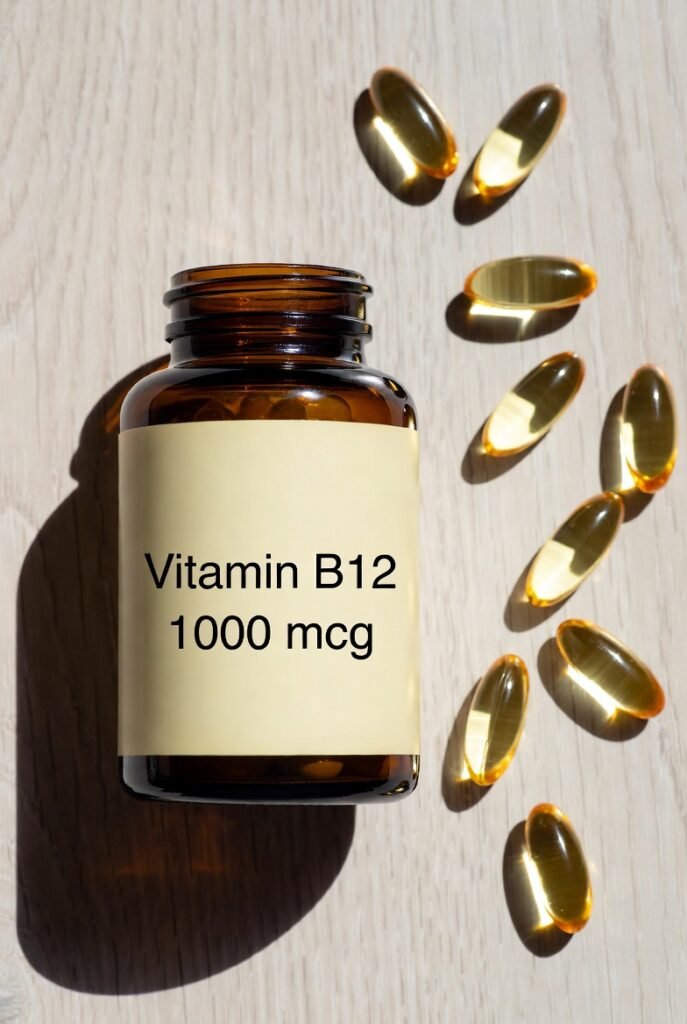
Iron helps your blood carry oxygen throughout your body, and low iron is one of the most common, treatable causes of fatigue in women, particularly those with heavier menstrual cycles.
Good to know: Iron supplements aren’t beneficial if you’re not actually deficient, and taking iron unnecessarily can lead to iron overload, which can damage the liver, heart, and other organs. Get tested before supplementing.
3. Vitamin D
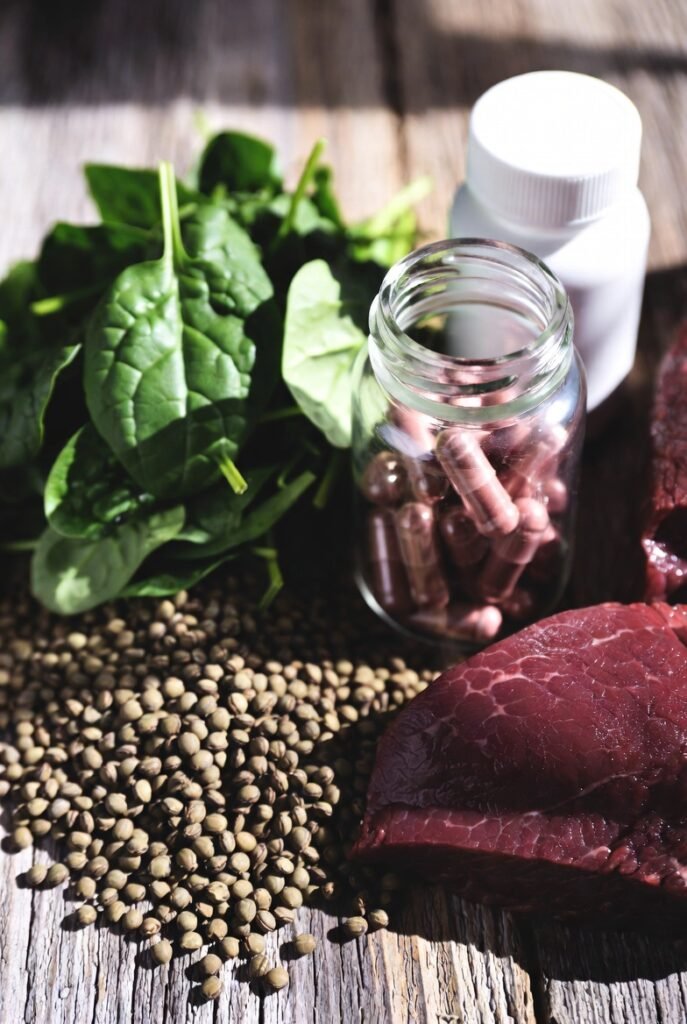
Often linked with bone and immune health, vitamin D deficiency has also been associated with fatigue, and many women simply don’t get enough from sun exposure or diet alone.
Good to know: A blood test is the most reliable way to know if you need to supplement, and how much.
4. Magnesium

Magnesium plays a direct role in helping your body break down glucose into usable energy. Low magnesium intake is remarkably common — roughly half the population falls short of recommended amounts — and has been linked to fatigue, migraines, and poor sleep.
Good to know: Food sources like legumes, nuts, seeds, leafy greens, and whole grains are excellent first steps before considering a supplement.
Read Also: Well Fit Look
5. Vitamin C
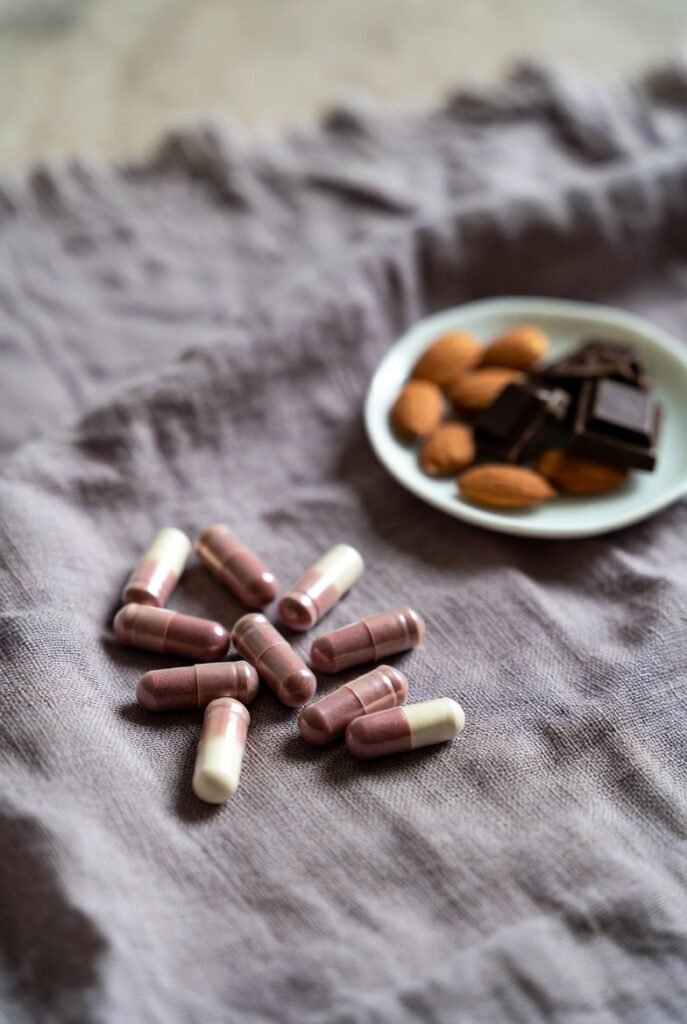
Beyond immune support, vitamin C helps your body produce carnitine, a molecule involved in turning fat into usable energy, and it also improves how well your body absorbs iron from food.
Good to know: Pairing vitamin C-rich foods with your iron sources (like citrus alongside spinach) can meaningfully boost absorption.
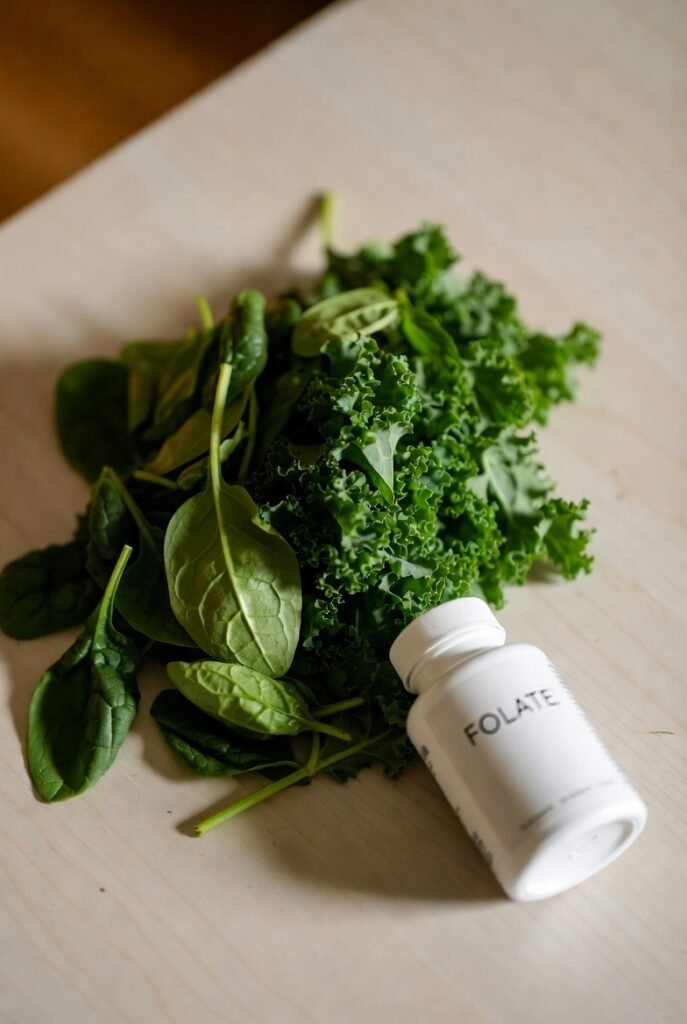
6. Folate
Folate supports cellular energy production and healthy nervous system function, working closely alongside B12 in your body’s energy pathways.
Good to know: This is especially important for women who are pregnant or may become pregnant, given its added role in fetal development.
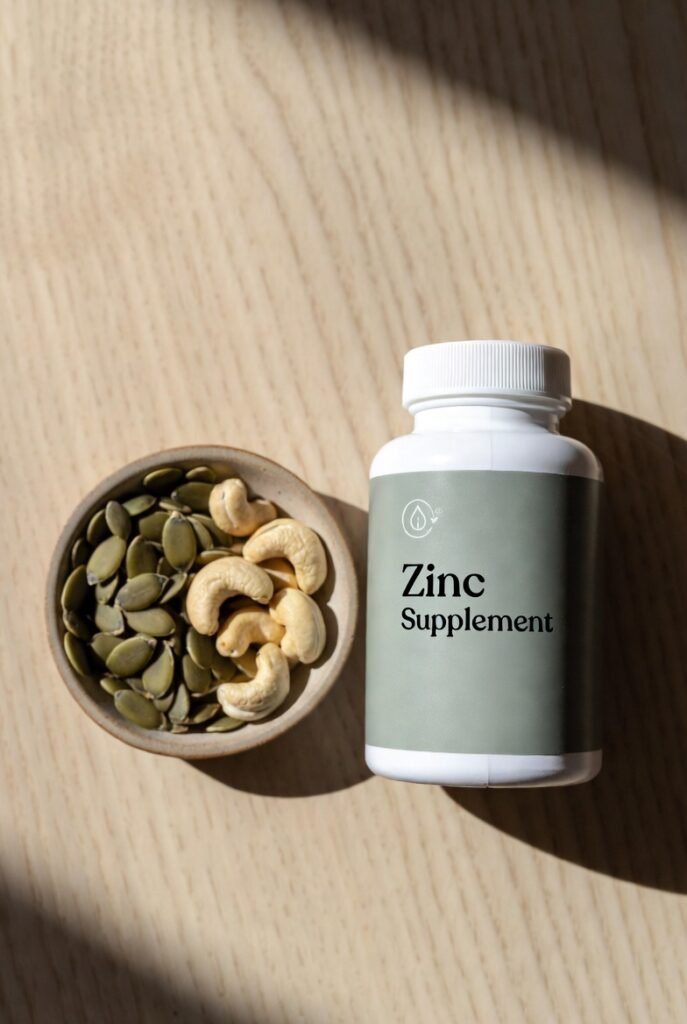
7. Zinc
Zinc supports immune function and has been linked in some research to measurable improvements in fatigue levels, particularly among older adults.
Good to know: It’s often included in energy-focused formulas alongside B vitamins for this reason.
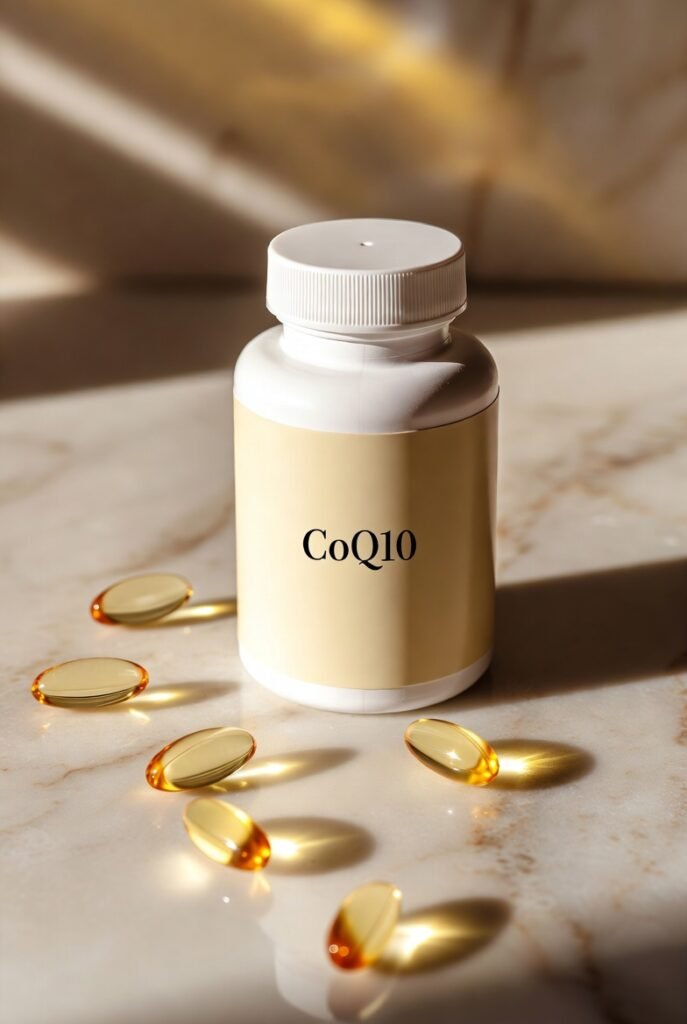
8. CoQ10 (Coenzyme Q10)
CoQ10 supports cellular metabolism and has been studied for its role in supporting physical performance and easing symptoms of chronic fatigue.
Good to know: It may interact with certain medications, including blood thinners, so check with your doctor before adding it.
9. L-Carnitine
L-carnitine assists in transporting fatty acids into cells to be converted into energy, and it’s commonly included in supplements aimed at supporting metabolism and physical performance.
Good to know: Like CoQ10, it’s generally considered supportive rather than a standalone fatigue fix.
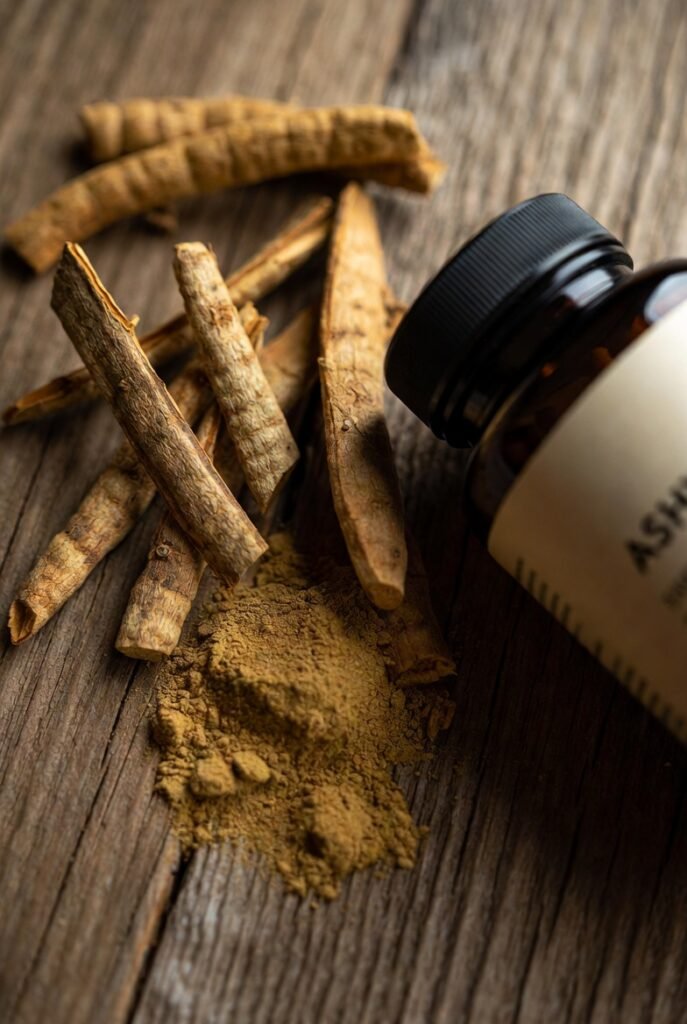
10. Ashwagandha

An adaptogenic herb with a long history of traditional use, ashwagandha is often used to help the body manage stress, which can indirectly support energy and reduce the exhaustion that comes with chronic stress and burnout.
Good to know: Adaptogens work gradually over weeks, not instantly, and should be discussed with your doctor if you’re pregnant, nursing, or on thyroid medication.
11. Rhodiola
Another adaptogenic herb, rhodiola is traditionally used to support mental stamina and resilience to stress, which many women find helpful during particularly demanding stretches.
Good to know: As with ashwagandha, effects tend to build over consistent use rather than appearing immediately.
12. L-Theanine (Often Paired With Caffeine)

L-theanine is an amino acid that may take the edge off caffeine’s jittery side effects while supporting steady focus, making it a popular pairing in energy and focus-specific formulas.
Good to know: If you’re sensitive to caffeine, a lower-caffeine option paired with L-theanine may feel smoother than coffee alone.
Bonus Tip 13: Consider a B-Complex Instead of Standalone B12
Since B vitamins tend to work together, a B-complex supplement can be a convenient way to cover several energy-related nutrients (B12, B6, folate, and others) in one step, rather than juggling multiple bottles.
Two Important Things to Know Before You Supplement
What Supplements Won’t Fix
Even the best supplement can’t replace healthy habits. Nutrition works best as part of a complete approach that includes adequate sleep, regular movement, stress management, and hydration — not as a standalone fix layered on top of chronic sleep debt or burnout.
When Fatigue Signals Something More
Persistent, unexplained fatigue can sometimes point to underlying conditions like an underactive thyroid, sleep disorders, anemia, or other health issues that need medical attention rather than supplementation. If your fatigue has lasted more than a few weeks or is interfering with daily life, it’s worth getting checked out rather than trying to supplement your way past it.
A Simple Starting Approach
Rather than adding everything on this list at once:
- Start with a basic blood panel with your doctor to check iron, vitamin D, and B12 levels.
- Address any confirmed deficiencies first — this often produces the biggest, fastest improvement.
- Layer in food-first strategies (magnesium-rich foods, vitamin C alongside iron sources).
- Consider one targeted addition, like an adaptogen or B-complex, if your basics are already covered.
Frequently Asked Questions
What’s the single best supplement for energy in women?
There isn’t one universal answer — it depends on what’s actually driving your fatigue. B12, iron, and vitamin D are the most commonly identified gaps, which is why testing matters more than guessing.
Are energy supplements safe to take every day?
Many are well-tolerated for daily use, but some, like iron or certain herbal adaptogens, carry risks if taken unnecessarily or in excess. Check with your doctor, especially if you take other medications.
Can I just take a multivitamin instead of individual supplements?
A quality multivitamin can cover many of the basics conveniently, though it may not address a significant, confirmed deficiency as effectively as a targeted, higher-dose standalone supplement.
How long until I notice a difference?
Correcting an actual deficiency (like low iron or B12) can improve energy within weeks. Adaptogens and herbal supplements typically take longer, often several weeks of consistent use, to show effects.
Final Thoughts
The best supplements for energy are the ones that correct what your body is actually missing, not the ones with the flashiest marketing. Start with testing where possible, build a strong foundation with sleep, movement, and nutrition, and layer in targeted support from there. Your body isn’t meant to run on empty — with the right information, steady energy is absolutely within reach.