
If you’ve spent any time in wellness circles lately, you’ve probably heard whispers about “seed cycling” — the practice of eating specific seeds at specific points in your menstrual cycle to support hormone balance. It sounds almost too simple: rotate a few seeds, and your estrogen and progesterone fall into line?
Before you toss four types of seeds into your cart, let’s break down what seed cycling actually involves, what the evidence really says, and 12+ practical tips for trying it in a way that’s realistic and sustainable.
What Is Seed Cycling, Exactly?
Seed cycling is a naturopathic practice that involves eating flax and pumpkin seeds during the first half of your menstrual cycle (the follicular phase), then switching to sunflower and sesame seeds during the second half (the luteal phase). The idea is that different seeds support different hormones at the point in your cycle when you need them most — flax and pumpkin for estrogen support early on, sunflower and sesame for progesterone support later.
An Honest Look at the Evidence
Here’s the part worth knowing upfront: there’s very little direct scientific research confirming that seed cycling changes hormone levels or improves symptoms. The individual seeds do contain nutrients genuinely linked to hormone health — lignans, zinc, selenium, vitamin E, and healthy fats — but studies haven’t specifically tested the cycling protocol itself. Many practitioners describe it as a gentle, low-risk practice worth trying with realistic expectations, rather than a proven medical treatment. If you have a diagnosed hormonal condition, seed cycling is best used as a complementary habit alongside your doctor’s guidance, not a replacement for it.
With that context in mind, here’s how to do it well.
12+ Tips for Seed Cycling Success
1. Know Your Two Phases
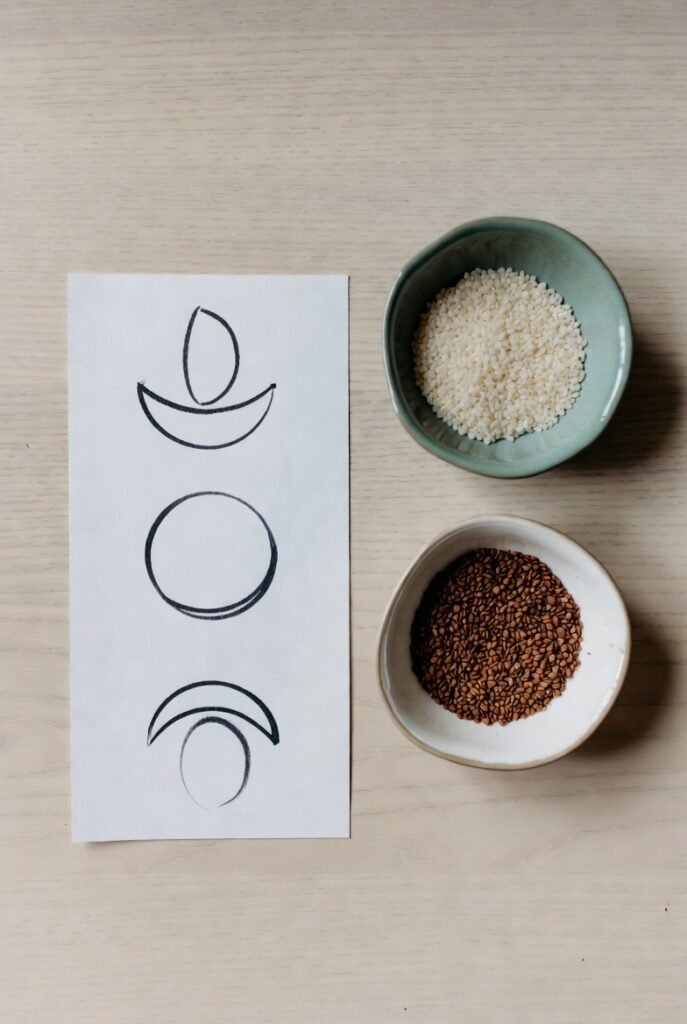
The follicular phase runs from day one of your period until ovulation, and the luteal phase runs from ovulation until your next period starts. These two windows are what determine which seeds to eat when.
2. Eat Flax and Pumpkin Seeds During Your Follicular Phase
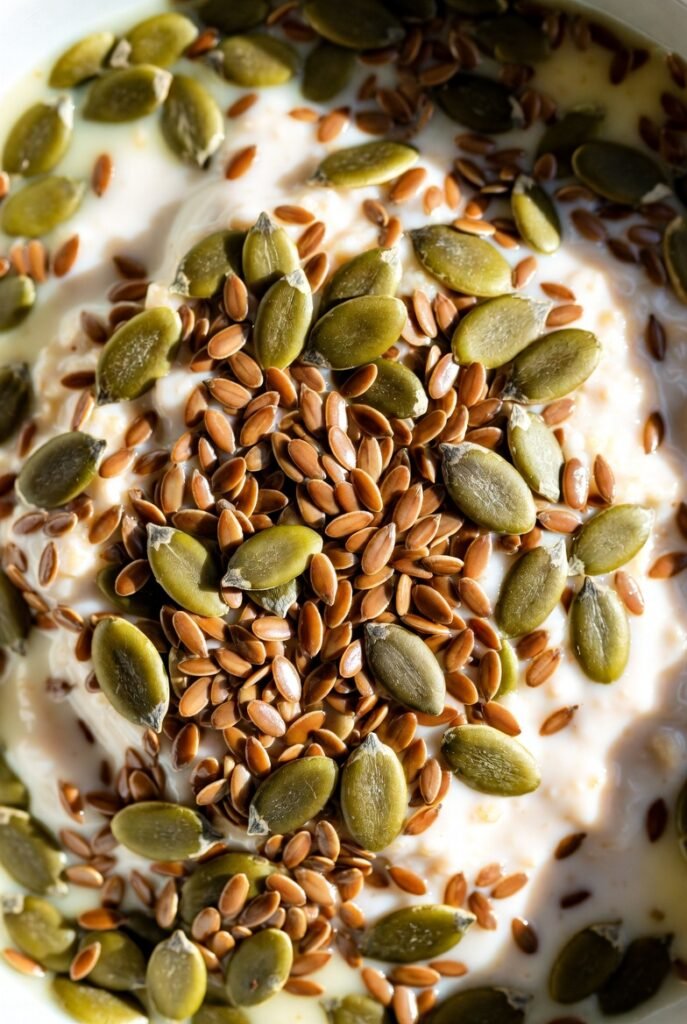
During the first half of your cycle, 1–2 tablespoons each of ground flaxseed and raw pumpkin seeds are the standard recommendation, timed to support your body through rising estrogen.
3. Switch to Sunflower and Sesame Seeds After Ovulation
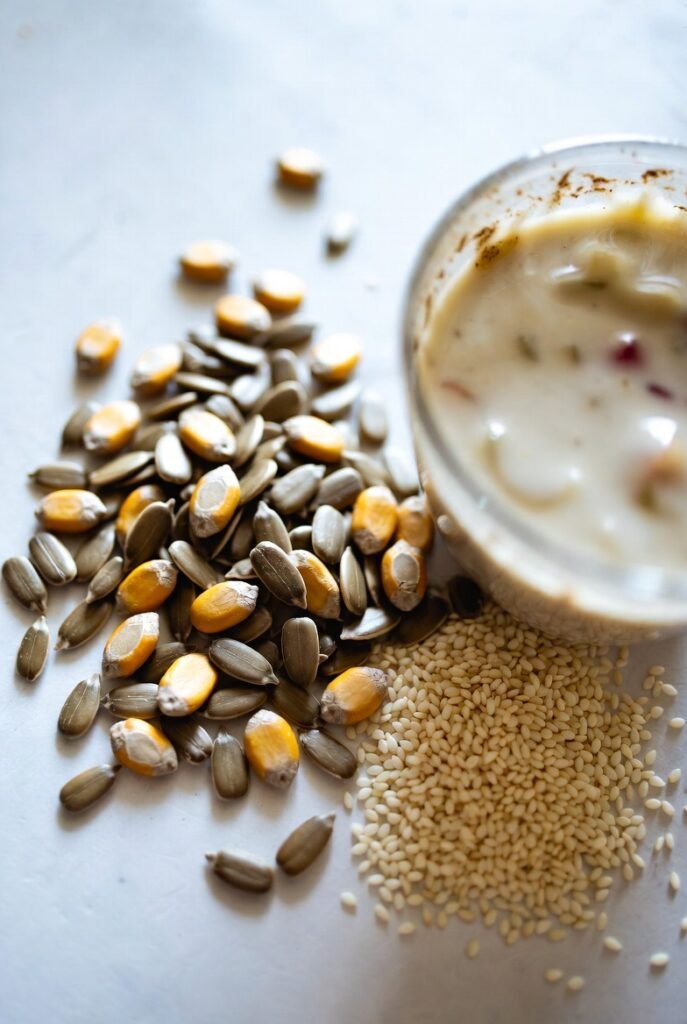
Once you ovulate, swap to 1–2 tablespoons each of sunflower and sesame seeds daily through your luteal phase, timed to support your progesterone rise.
4. Always Grind Your Seeds Fresh
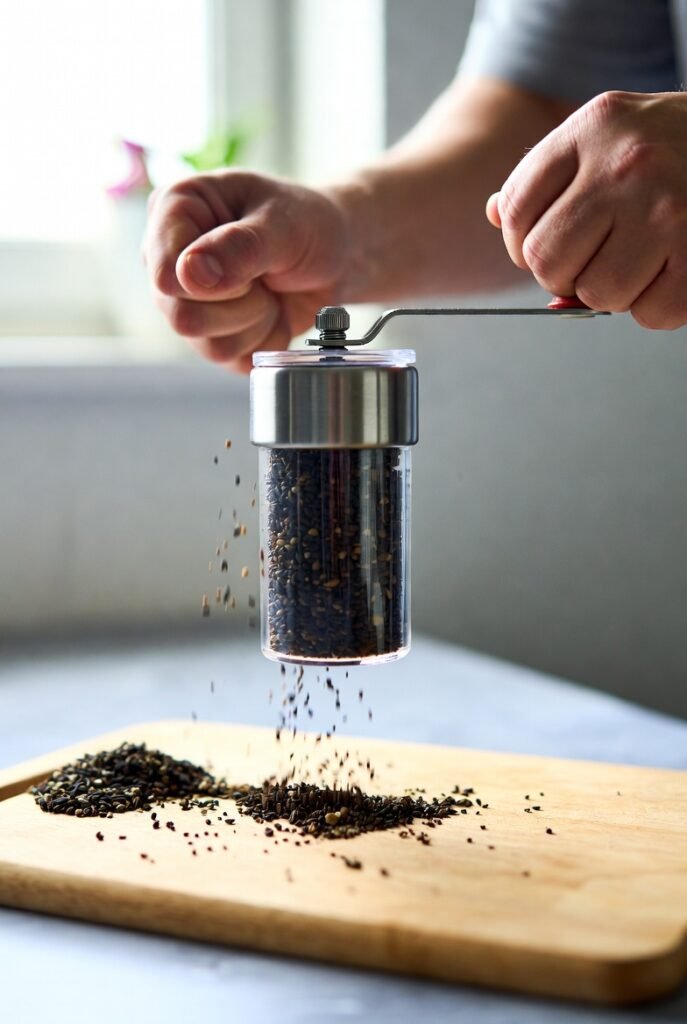
Whole seeds, especially flax and sesame, are harder for your body to break down and absorb. Freshly grinding them helps you actually access their nutrients.
Try this: A small coffee or spice grinder dedicated to seeds makes this a 30-second task.
Read Also: Well Fit Look
5. Choose Raw Over Roasted
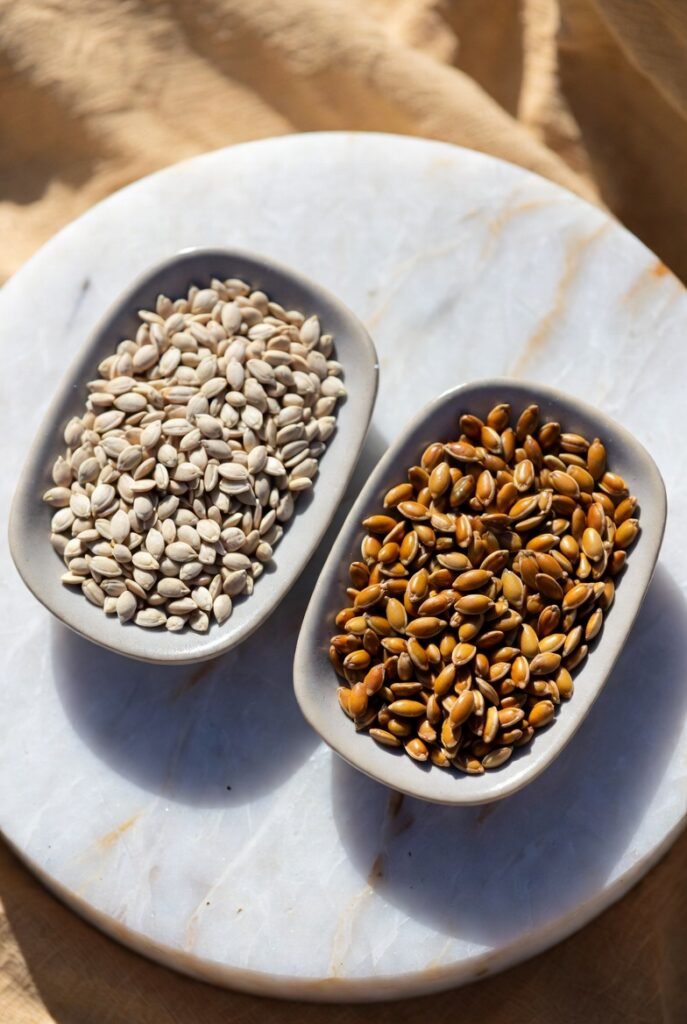
Raw, unsalted seeds are generally preferred in seed cycling, since roasting can alter some of the delicate compounds practitioners believe are beneficial.
6. Track Your Cycle to Know Which Phase You’re In
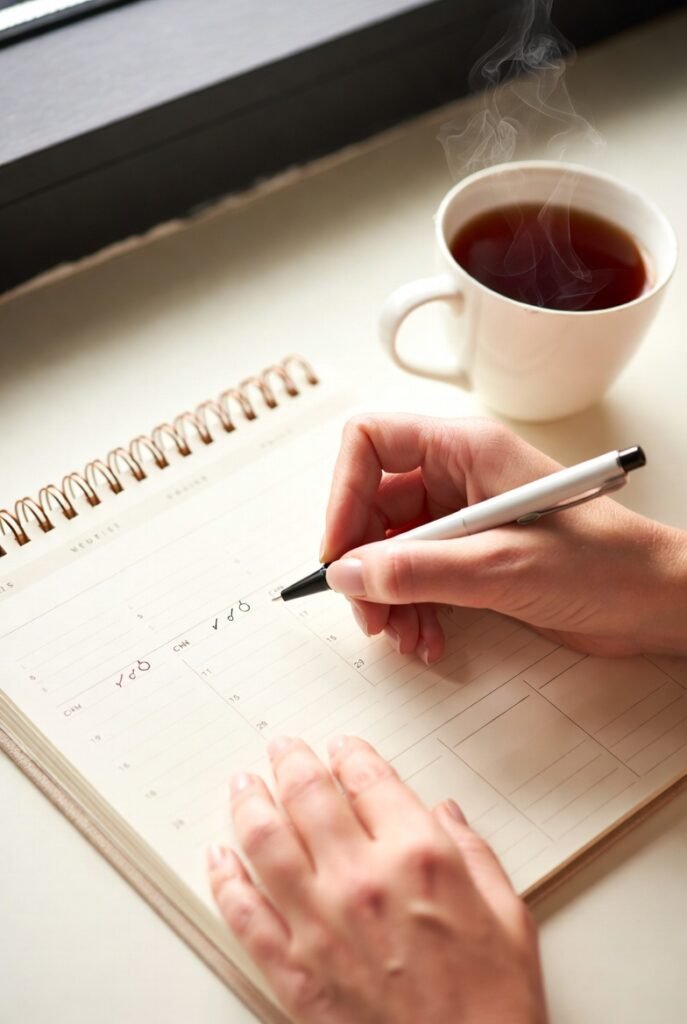
Since the whole practice depends on timing, knowing roughly where you are in your cycle matters more than the seeds themselves.
Try this: Use a period-tracking app, or simply mark ovulation day on a calendar if your cycle is fairly regular.
7. Adjust Timing If You Don’t Have Regular Periods

If you’re postmenopausal or don’t have a predictable cycle, some practitioners suggest using the lunar cycle as a stand-in, starting your “day one” on the new moon.
8. Add Seeds Into Foods You Already Eat
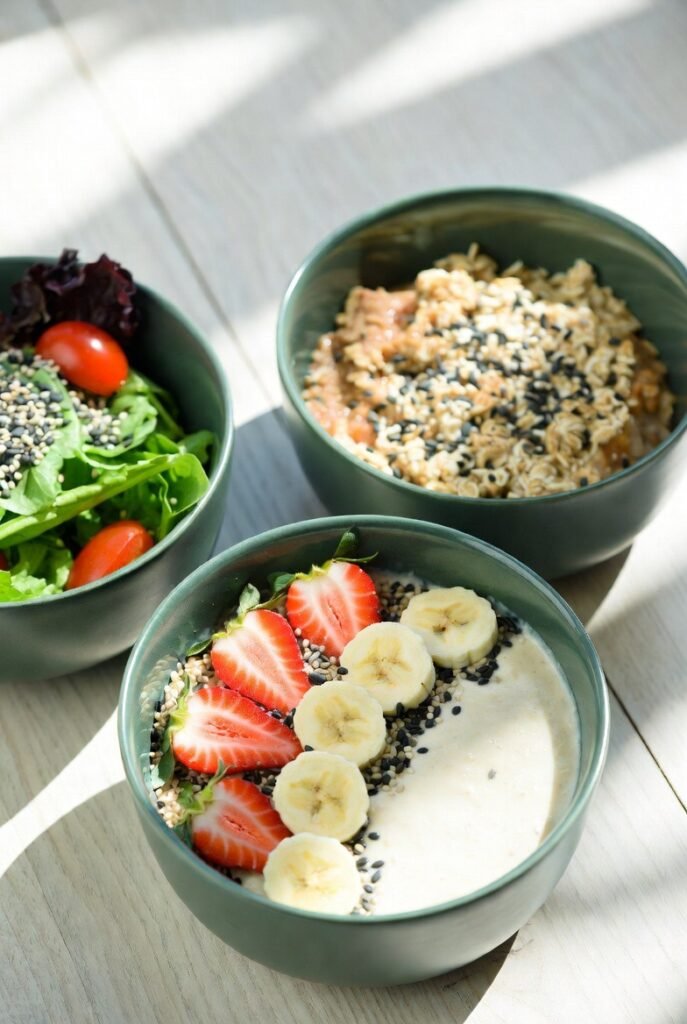
You don’t need a separate ritual — smoothies, oatmeal, yogurt, and salads are all easy vehicles for your daily seed rotation.
Try this: Blend your phase-appropriate seeds into your morning smoothie so it becomes automatic.
9. Make a Simple Seed Butter
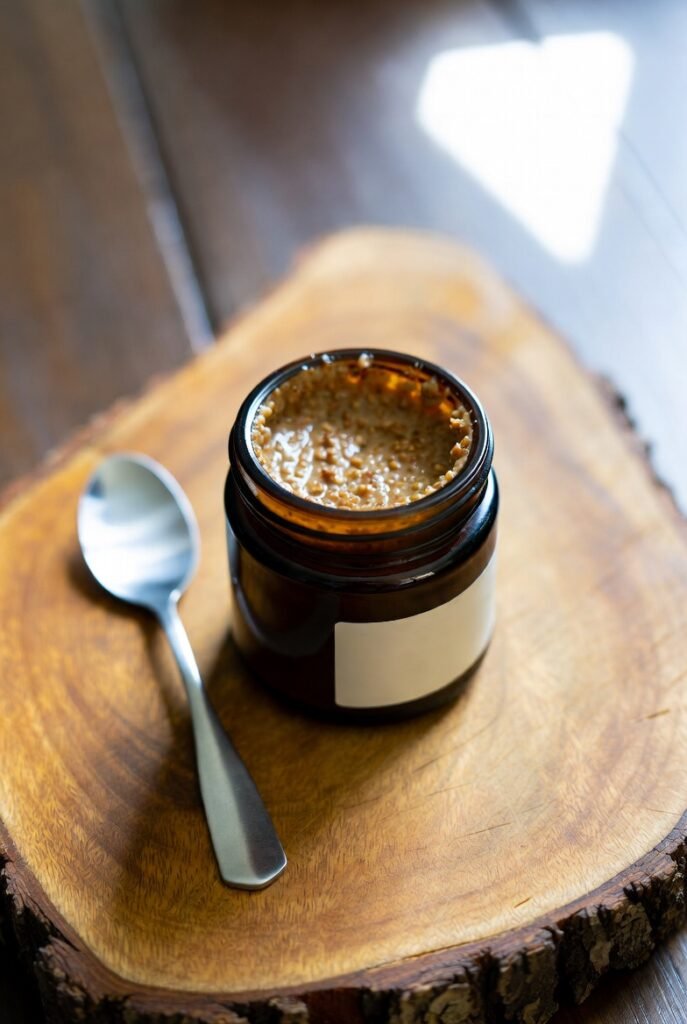
Some practitioners recommend grinding seeds into a fresh, spreadable seed butter you can enjoy with fruit or toast, making the habit feel like a treat rather than a chore.
10. Give It At Least One Full Cycle Before Judging Results
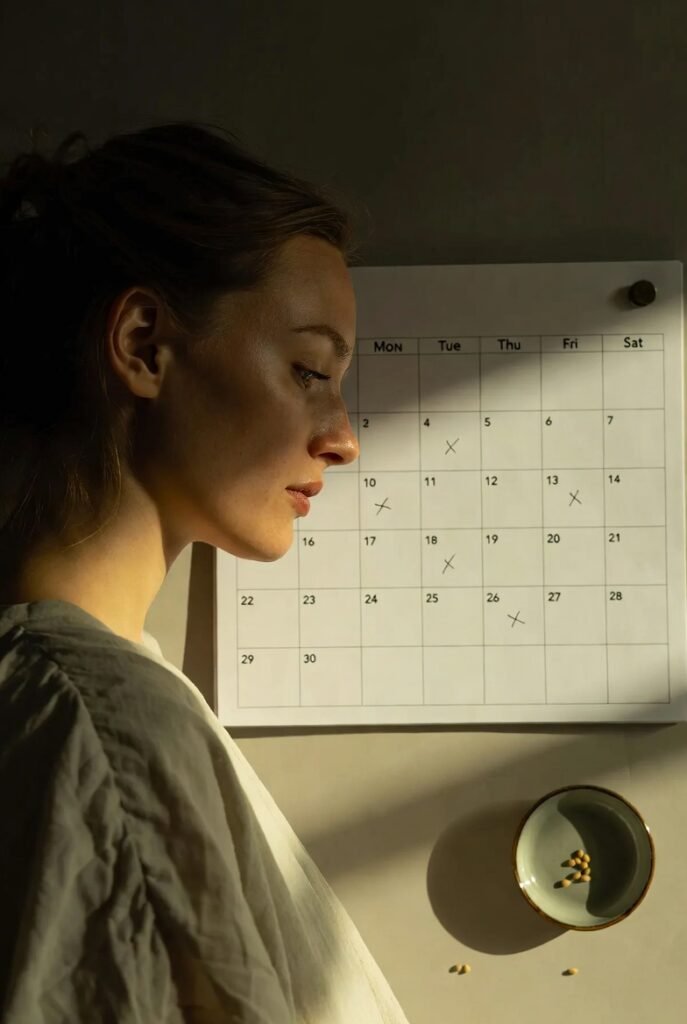
Most sources suggest it takes at least one full cycle, and often up to three months, of consistent use before you’d notice any change, so a single week isn’t a fair trial.
Try this: Commit to trying it for one full cycle before deciding whether it’s worth continuing.
11. Keep a Simple Symptom Journal
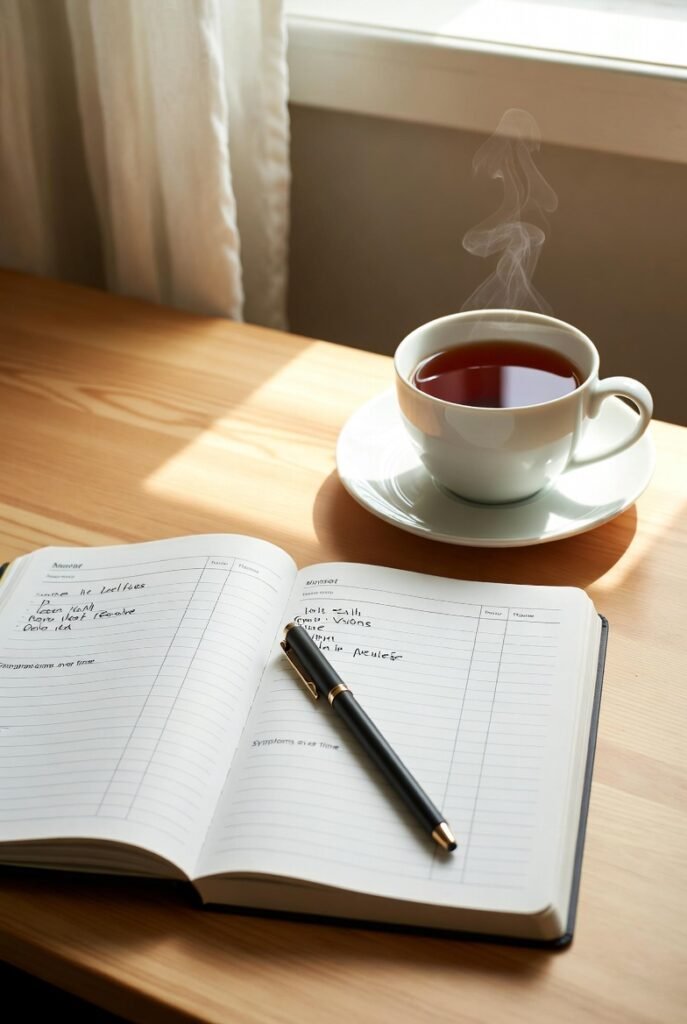
Tracking your energy, mood, skin, and period symptoms alongside your seed cycling routine can help you notice patterns, real or coincidental, over the following months.
12. Watch for Seed Allergies
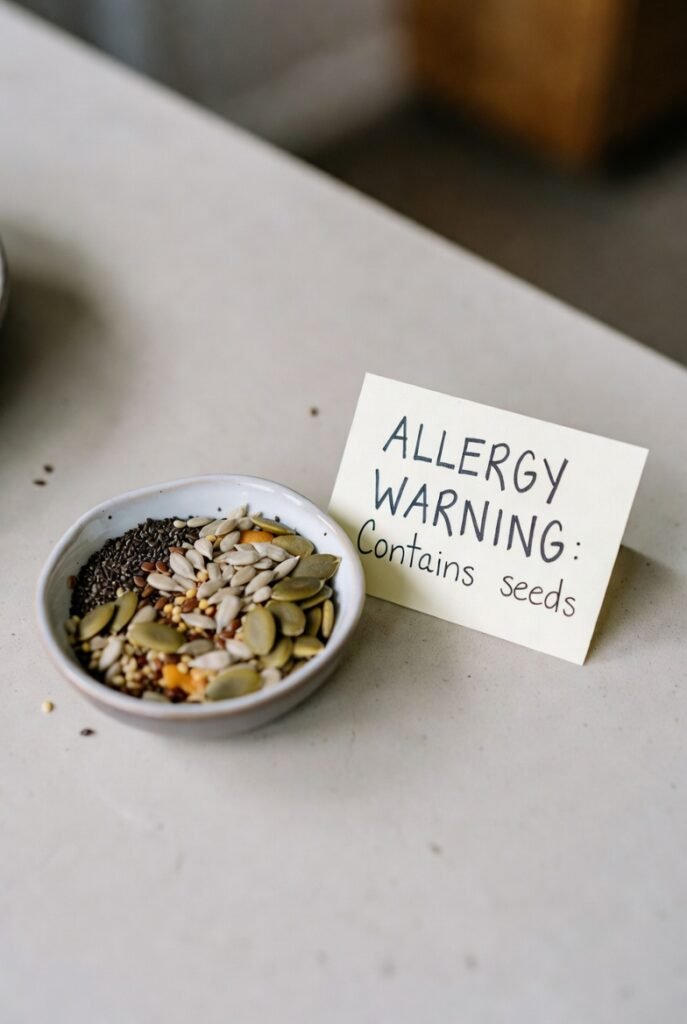
If you have a known allergy to flax, pumpkin, sunflower, or sesame seeds, seed cycling isn’t a safe option for you, and no hormone-balance benefit is worth risking an allergic reaction.
13. Take a Month-by-Month Approach
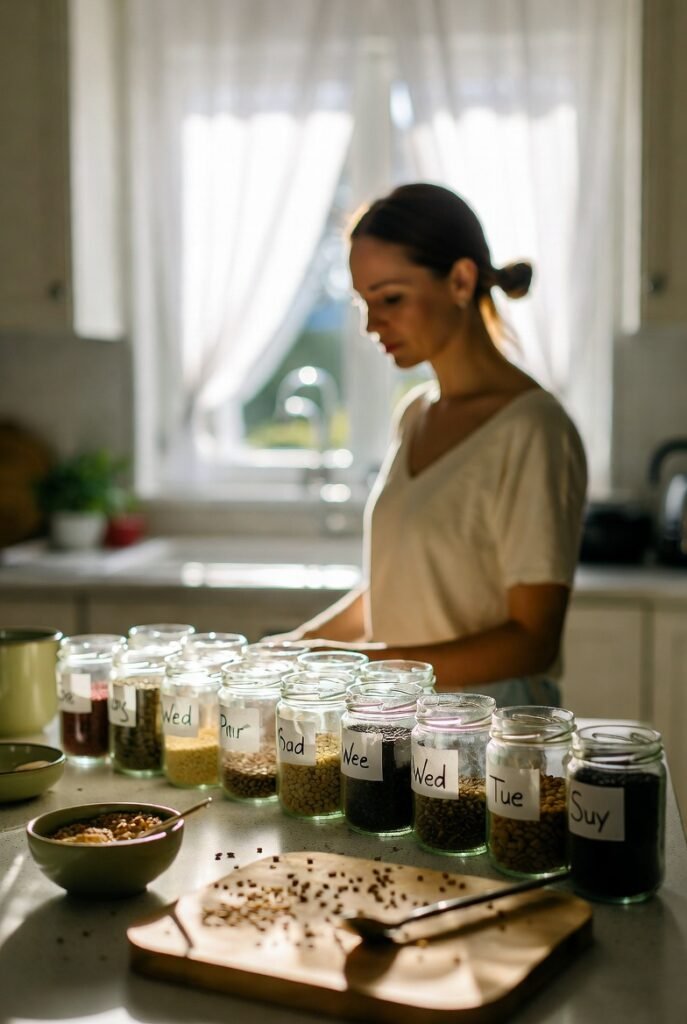
If committing to this “forever” feels overwhelming, treat it as a one-month experiment at a time rather than a lifelong obligation.
Bonus Tip 14: Pair It With the Basics That Actually Move the Needle
Sleep, stress management, balanced nutrition, and regular movement have much stronger evidence behind them for supporting hormone health. Seed cycling can be a pleasant addition to those habits, not a substitute for them.
Bonus Tip 15: Talk to Your Doctor If You Have a Diagnosed Condition
If you’re managing PCOS, endometriosis, irregular periods, or menopause symptoms, loop your doctor or a women’s health specialist in on any new practice you’re trying, including seed cycling, so it complements rather than delays appropriate care.
A Simple Seed Cycling Starter Plan
- Days 1–14 (Follicular phase): 1 tbsp ground flaxseed + 1 tbsp ground pumpkin seeds daily, added to a smoothie or oatmeal
- Ovulation: Switch your seed rotation
- Days 15–28 (Luteal phase): 1 tbsp ground sunflower seeds + 1 tbsp ground sesame seeds daily, added to a salad or yogurt
Adjust the exact days based on your own tracked cycle length, since not everyone has a textbook 28-day cycle.
Frequently Asked Questions
Does seed cycling really work?
There isn’t strong scientific evidence directly proving that seed cycling changes hormone levels, though the seeds themselves contain nutrients with known roles in hormonal health. Many people try it as a low-risk, gentle addition to their routine rather than a guaranteed fix.
How long before I’d notice a difference?
Most sources suggest giving it at least one full cycle, and often up to three months, before evaluating whether it’s helping.
Can seed cycling help with PCOS or menopause symptoms?
Some practitioners suggest it may offer supportive benefits for these conditions, but it isn’t a replacement for medical treatment, and results vary by individual.
Is seed cycling safe?
For most people without a seed allergy, it’s considered a low-risk, gentle dietary practice. As always, check with your doctor if you have any underlying health conditions.
Final Thoughts
Seed cycling is simple, inexpensive, and low-risk enough that it’s easy to see why so many women want to try it. Just go in with realistic expectations: think of it as a pleasant, nutrient-dense habit to pair with the fundamentals — sleep, stress management, and a balanced diet — rather than a magic fix for hormone imbalance. Give it a full cycle, track how you feel, and let your own experience (alongside your doctor’s guidance) be the judge.
This article is for informational purposes only and is not a substitute for professional medical advice. Please consult your doctor before starting any new dietary practice, especially if you have a diagnosed hormonal condition.