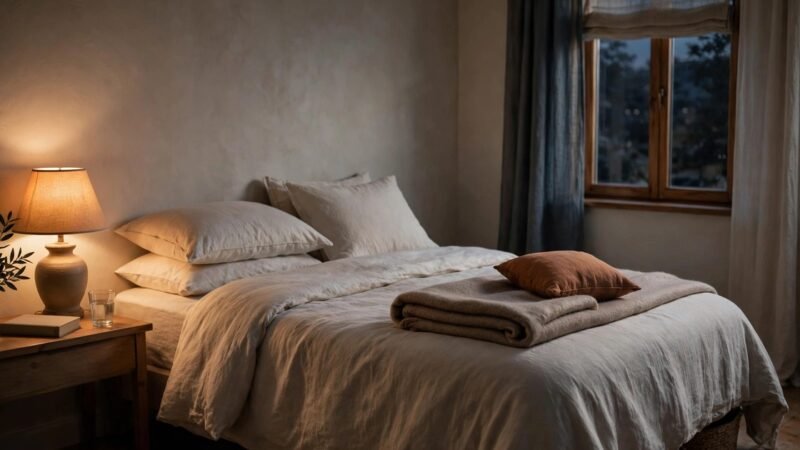
10 red light therapy tips for better sleep can help you build a calm evening routine around a warm red glow, without bright screens or harsh light before bed. Red light therapy is a home wellness practice where a device shines low-level red or near-infrared light onto the skin, and many people use it as part of a wind-down routine.
This guide shares general information only. Red light therapy is not a treatment for sleep problems, and it does not replace medical care. If you have a sleep condition, an eye condition, or take medicine that makes you sensitive to light, talk to your doctor before you try it.
Table of Contents
What Red Light Therapy Is and How People Use It
Red light therapy uses panels or small handheld devices that shine red light, usually in the 630 to 660 nanometre range, or near-infrared light, onto the skin. The light is warm and gentle, and it does not burn or tan the skin the way sunlight can. People sit or stand near a panel for a set number of minutes, often in the evening as part of a wind-down routine.

The research on red light therapy and sleep is still early. Some small studies have looked at whether evening red light helps people feel sleepier or sleep more soundly, but the results are mixed and the studies are small. That is why this guide treats red light therapy as a relaxing evening habit, not as a proven sleep treatment.
Red light therapy is sometimes called low-level light therapy, and it is different from the bright white light boxes used for morning light.
What matters most for sleep is the routine around the light: a dark room, a regular bedtime, and time away from bright screens. These 10 red light therapy tips for better sleep focus on using the device safely, keeping sessions short and calm, and pairing the light with other wind-down habits.
10 Red Light Therapy Tips for Better Sleep
Each tip below is one of the 10 red light therapy tips for better sleep. Start with one or two, keep sessions short, and stop if anything feels uncomfortable. The goal is a calm evening, not a long session.
1. Use It in the Evening, Not Late at Night
What it is: Using your red light device in the early evening, a few hours before bed, as part of your wind-down.
Who it suits: Anyone who wants a calm evening ritual and has a regular bedtime.
How to do it: Choose a time one to three hours before bed. Sit near the panel for ten to twenty minutes while you read or listen to music, then switch it off and move on to your usual bedtime steps. This is the first of the 10 red light therapy tips for better sleep, because timing shapes the whole routine.
Pro tip: Set the same time each day.
Mistake to avoid: Using the device right at bedtime and then staying up with bright screens, which can undo the calm you just built.
2. Keep Sessions Short to Start
What it is: Starting with short sessions of about ten minutes, and only lengthening them slowly if the device instructions allow.
Who it suits: Beginners, and anyone trying a new device for the first time.
How to do it: Follow the maker’s instructions for distance and time, and start at the shortest time they suggest. A short session is enough to build the habit in the 10 red light therapy tips for better sleep, and you can add a few minutes over the next week if it feels comfortable.
Pro tip: Set a timer, so you do not lose track of time while you relax.
Mistake to avoid: Doing a very long first session, which can leave your skin feeling warm or irritated.
3. Sit at the Distance the Maker Suggests
What it is: Placing yourself at the distance shown in the device manual, usually between fifteen and ninety centimetres from the panel.
Who it suits: Anyone using a panel or lamp at home.
How to do it: Read the manual before your first session and measure the distance with a tape or a ruler. Sit or stand at that distance for the whole session. This is one of the most practical 10 red light therapy tips for better sleep, because distance changes how strong the light feels.
Pro tip: Mark the floor with a small piece of tape at the right distance, so you sit in the same spot each time you follow the 10 red light therapy tips for better sleep.
Mistake to avoid: Sitting very close to the panel to make the session stronger, which can overheat the skin.
4. Keep Your Eyes Safe
What it is: Protecting your eyes during a session, by not staring into the light and using the eye protection the maker suggests.
Who it suits: Everyone, and especially people with eye conditions or light sensitivity.
How to do it: Keep your eyes closed or look away from the panel during the session. If the device came with protective glasses, wear them. Never stare directly into a bright panel, even if the light looks warm and soft.
Pro tip: Put on a sleep mask or soft eye cover if your device is a large panel, and relax with your eyes closed.
Mistake to avoid: Looking straight at the panel to check whether it is working, which can strain your eyes.
5. Dim the Rest of the Room
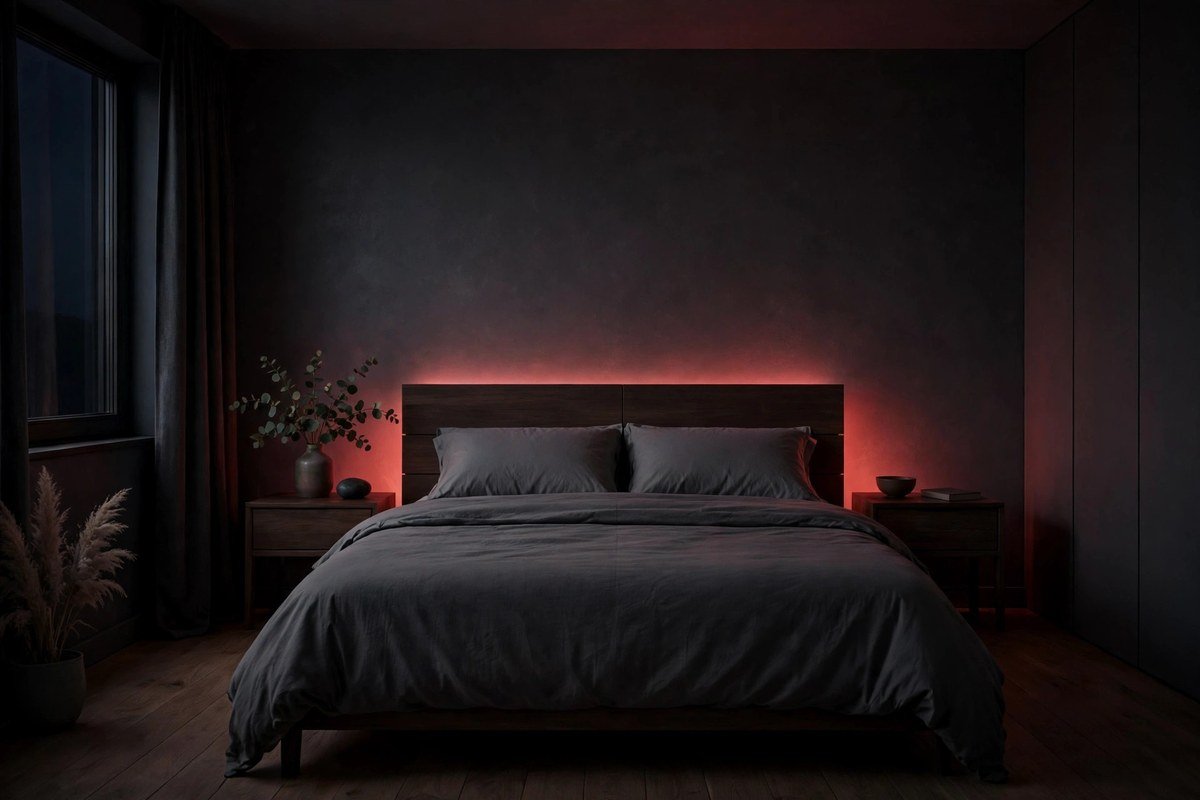
What it is: Lowering the other lights in the room while you use the red light, so the evening feels darker and calmer, which is the point of the 10 red light therapy tips for better sleep.
Who it suits: Anyone who wants the session to feel like a real wind-down, not just another bright room.
How to do it: Switch off the ceiling light and use a small lamp or a candle-style light instead. Let the red glow be the main light in the room for those ten to twenty minutes. This is one of the simplest 10 red light therapy tips for better sleep, because a darker room helps your body feel ready for night.
Pro tip: Dim the lights in the whole house an hour before bed, so the red light session fits a calm evening.
Mistake to avoid: Keeping bright white lights on during the session, which can make the evening feel like daytime.
6. Pair It with Slow Breathing
What it is: Breathing slowly and deeply during your session, so the light and the breath work together to calm the evening.
Who it suits: Anyone who feels tense in the evening, or who wants a simple way to relax.
How to do it: Sit comfortably, breathe in for four counts and out for six counts, and repeat for the session. You can close your eyes and let your shoulders drop. One of the gentlest 10 red light therapy tips for better sleep, this one needs no extra equipment.
Pro tip: Count your breaths silently.
Mistake to avoid: Checking your phone during the session, which can pull your attention back to the day.
7. Use It After a Warm Shower
What it is: Taking a warm shower first, then using the red light while your body is still warm and relaxed.
Who it suits: People who shower in the evening, and anyone who feels cold or stiff at night.
How to do it: Shower as usual, dry off, and put on loose, comfortable clothes. Then sit near the panel for your session in the 10 red light therapy tips for better sleep. The warm shower and the warm light together can make the evening feel cosy and slow.
Pro tip: Keep a soft robe and warm socks ready, so you stay warm through the session.
Mistake to avoid: Rushing from the shower straight into a bright, busy room, which can break the calm.
8. Keep the Room Cool and Dark Afterward
What it is: Letting your bedroom stay cool and dark after the session, so your body can settle toward sleep.
Who it suits: Anyone who sleeps hot, wakes in the night, or wants a better sleep setup.
How to do it: After your session, keep the bedroom cool, close the curtains, and switch off bright lights. If you want ideas for a darker, calmer room, our bedroom setup ideas for better sleep can help you make small changes that support the evening routine.
Pro tip: Set the bedroom temperature before your session, so the room is ready when you are.
Mistake to avoid: Turning on bright overhead lights to tidy the room after a calm session.
9. Skip It on Nights When You Feel Unwell
What it is: Giving the session a miss when you feel ill, have a headache, or your skin feels sore or irritated while following the 10 red light therapy tips for better sleep.
Who it suits: Anyone using a device regularly, and especially people with sensitive skin.
How to do it: If your skin feels red, sore, or itchy after a session, stop using the device and let your skin settle. If the irritation lasts, talk to your doctor before you use it again. This is one of the most important 10 red light therapy tips for better sleep, because a calm routine should never hurt.
Pro tip: Keep a simple note of how your skin feels after each session for the first two weeks.
Mistake to avoid: Pushing through redness or discomfort because you do not want to break the habit.
10. Track How You Sleep for Two Weeks
What it is: A simple note of your sessions and your sleep, kept for two weeks, so you can see whether the routine helps you feel more rested.
Who it suits: Anyone who likes to see progress, or who is not sure whether the habit is helping.
How to do it: Each morning, write down how long you slept and how rested you felt, and note whether you used the device the evening before. After two weeks, look for a pattern. This last of the 10 red light therapy tips for better sleep turns a habit into something you can judge fairly.
Pro tip: Rate your sleep on a simple scale from one to five, so the note takes ten seconds.
Mistake to avoid: Deciding after two nights that the routine does not work, before it has had time to settle.
A Simple Evening Red Light Routine
A simple evening looks like this: an hour before bed, dim the lights and take a warm shower. Then sit near your red light panel for ten to twenty minutes, breathing slowly with your eyes closed. Switch the device off, put on warm socks, and move to a dark, cool bedroom. The 10 red light therapy tips for better sleep work best when they sit inside this kind of calm routine, not on their own.

Keep the routine the same most nights, and keep it short. If you miss a night, start again the next evening without guilt. A missed session does not undo the habit in the 10 red light therapy tips for better sleep, and a calm evening still counts even without the light. If you want more evening ideas, our winter sleep tips for better rest offer simple habits that pair well with a red light wind-down.
Safety Notes and When to Ask a Doctor
Red light therapy is generally seen as low risk when used as directed, but it is not right for everyone. Do not use a device on skin that is cut, burned, or irritated, and do not use it over a rash or a new skin change without asking your doctor first. People who take medicine that makes the skin or eyes sensitive to light should ask a doctor before they try it.

If low mood or worry is part of your evenings, our mental health habits for a daily routine guide offers simple ideas for rest and support.
Stop using the device and talk to a doctor if you notice lasting redness, swelling, pain, or any change in your vision. If you have trouble falling asleep or staying asleep for more than a few weeks, or if you snore loudly or feel very sleepy during the day, talk to a doctor about your sleep rather than trying more home devices.
The NHS guide to sleep problems explains when poor sleep is worth discussing with a doctor, and what help is available.
This guide shares general information only, and it is not medical advice. A doctor can help you work out whether a sleep problem needs testing or treatment.
Frequently Asked Questions About 10 Red Light Therapy Tips for Better Sleep
Is red light therapy safe to use every evening?
Most people use it daily when they follow the maker’s instructions, but short sessions are the safest place to start the 10 red light therapy tips for better sleep. Stop if your skin feels sore or your eyes feel strained, and talk to a doctor if you have a health condition or take medicine that affects light sensitivity.
How long should a red light session last?
Most home devices suggest ten to twenty minutes per session. Start at the shortest time in the manual, and only add time slowly if it feels comfortable and the instructions allow it.
Can red light therapy help me fall asleep faster?
The research is still early, and results are mixed, so it is best to see it as a calming evening habit rather than a sleep treatment. A dark room, a regular bedtime, and less screen light in the evening matter more for sleep. This is one of the most honest answers about the 10 red light therapy tips for better sleep.
Should I use red light in the morning or the evening?
For a sleep routine, evening is the usual choice, because the warm, dim glow fits a wind-down. Bright white light suits mornings better.
Can I use red light therapy with other sleep habits?
Yes. It fits well beside a regular bedtime, a cool dark room, and a wind-down without screens. Keep the whole evening calm, and do not rely on the device alone.
Try 10 Red Light Therapy Tips for Better Sleep This Week
10 red light therapy tips for better sleep work best when you start small and stay steady. Pick one tip for tonight, such as a short evening session with slow breathing, and see how the evening feels.
A calm evening does not need a long routine or a perfect setup. A warm glow, a dark room, and a few quiet minutes can be enough to close the day gently. If you want more ideas for restful nights, browse our other sleep guides on this site, and keep the habits that help you feel your best. If sleep stays difficult for weeks, talk to your doctor.