
“Superfood” gets thrown around so often that it’s easy to become skeptical of the term — and honestly, that skepticism is fair. There’s no official scientific definition of a superfood; it’s a label that grew out of marketing to describe nutrient-dense foods that pack a lot of vitamins, minerals, and antioxidants into relatively few calories. That said, the foods themselves are genuinely worth knowing about, even if the label is more marketing than science.
Below you’ll find a 13+ superfoods list covering benefits and simple ways to work each one into your daily routine. Save this page, because it’s the kind of practical reference you’ll want to return to next time you’re building a grocery list or trying to eat a little better.
What Makes a Food a “Superfood”?
There is no exact, official definition of what qualifies as a superfood. Nutritionally speaking, some experts argue there’s no such thing as a superfood at all — the term was largely coined for marketing purposes to influence food trends and sell products. That said, the foods most commonly given this label do share real, well-documented traits: they’re nutrient powerhouses that provide large quantities of antioxidants, phytochemicals, vitamins, and minerals relative to their calorie count.
These foods are generally associated with a range of health benefits, including protecting cells from oxidative stress, reducing inflammation, supporting heart health, and aiding digestion. It’s worth being clear-eyed here too: no single food can meet all your nutritional needs or cure disease on its own. Overall diet and lifestyle patterns matter far more than any individual ingredient, and eating too much of even a genuinely healthy food can crowd out the variety your body needs.
One more encouraging point: you don’t need expensive, exotic ingredients to get these benefits. Many local, affordable foods — sauerkraut, beets, blueberries — are just as nutritious as pricier imported alternatives, and black currants, for example, actually contain more vitamin C than goji berries.
13+ Superfoods and Their Health Benefits
Fruits & Berries
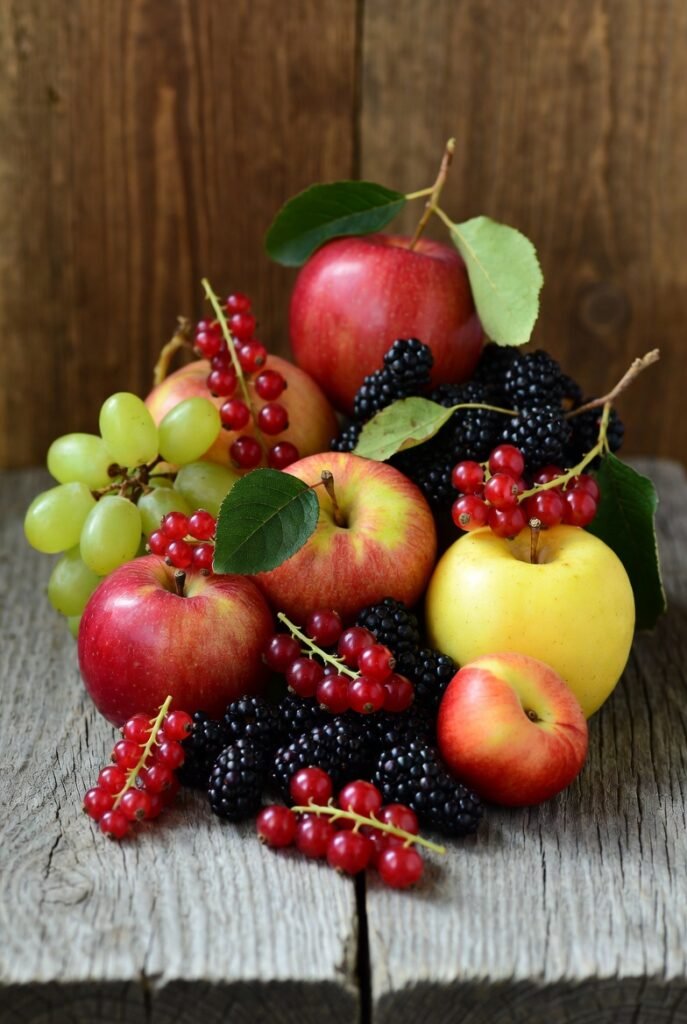
1. Blueberries
Blueberries are high in fiber and antioxidants that help protect cells from damage, making them one of the most consistently recommended fruits on any superfoods list. Adding a handful to cereal, yogurt, or a smoothie is one of the simplest ways to start.
2. Tomatoes
Tomatoes are rich in lycopene and vitamin C, compounds that have been studied for their potential role in reducing certain cancer risks. They’re easy to add to salads, sauces, or grain bowls without any extra effort.
3. Oranges
A single cup of orange segments can provide an entire day’s recommended vitamin C, a nutrient crucial for helping your body fight off infections. Oranges also bring a solid dose of fiber alongside that vitamin C boost.
Vegetables & Greens
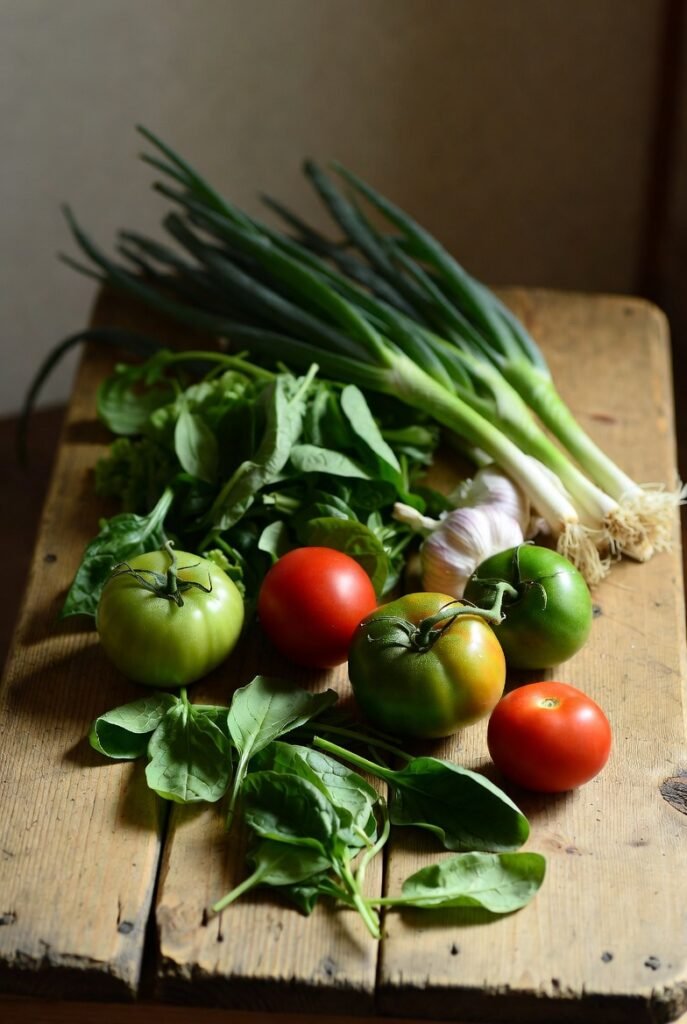
4. Spinach and Leafy Greens
Leafy greens are a foundational ingredient in many superfood-focused diets, easily blended into smoothies or tossed into salads for an easy nutrient boost without changing the flavor of a dish much at all.
Read Also: Well Fit Look
5. Sweet Potatoes
Sweet potatoes bring fiber, vitamins, and complex carbohydrates to the table, making them a satisfying and nutrient-dense alternative to more refined starches.
6. Mustard Greens
Low in calories but high in fiber, mustard greens are notable for their unusually high vitamin K content, along with anti-inflammatory and antioxidant benefits that support cardiovascular health.
7. Beets
Beets are a genuinely underrated local superfood, offering a nutrient profile that rivals more exotic, expensive alternatives while typically costing far less at the grocery store.
Whole Grains & Legumes
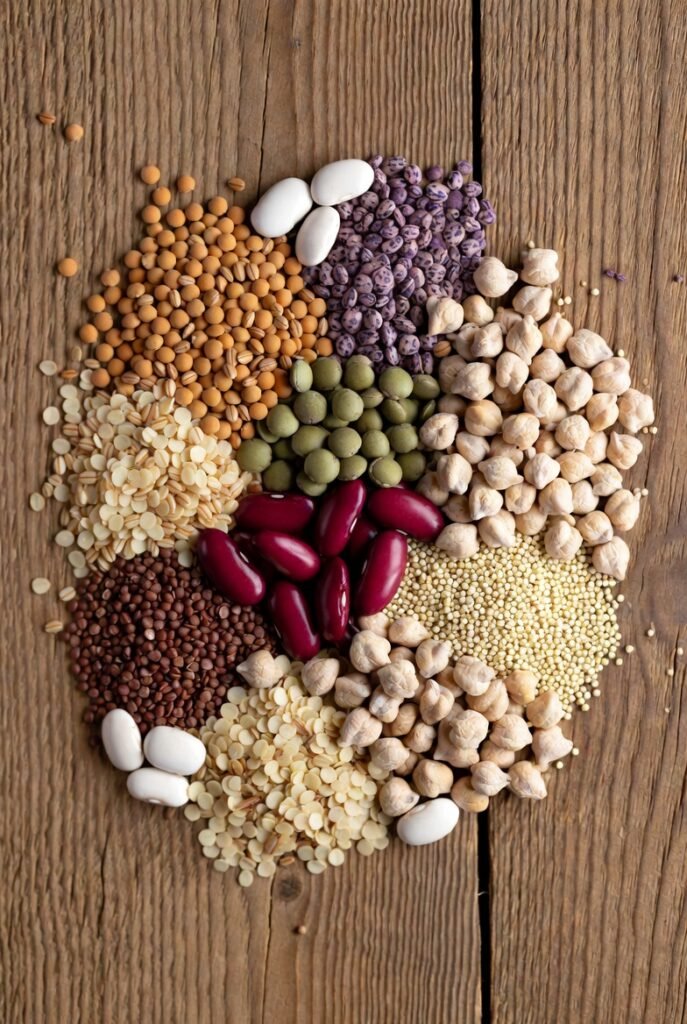
8. Quinoa
Known as the “mother grain” in parts of South America, quinoa is a gluten-free pseudo-cereal that’s high in iron, calcium, and fiber, along with magnesium, copper, and manganese.
9. Legumes (Beans, Lentils, Chickpeas)
Legumes are a rich source of B vitamins, minerals, protein, and fiber, and research links regular legume consumption to improved blood sugar management, along with reduced blood pressure and cholesterol. Their fiber and protein combination also supports feelings of fullness, which can help with healthy weight maintenance.
10. Whole Grains (Oats, Brown Rice, Barley)
Whole grains provide fiber, B vitamins, and other minerals, and research has linked their regular consumption to a reduced risk of both heart disease and diabetes.
Healthy Fats & Protein
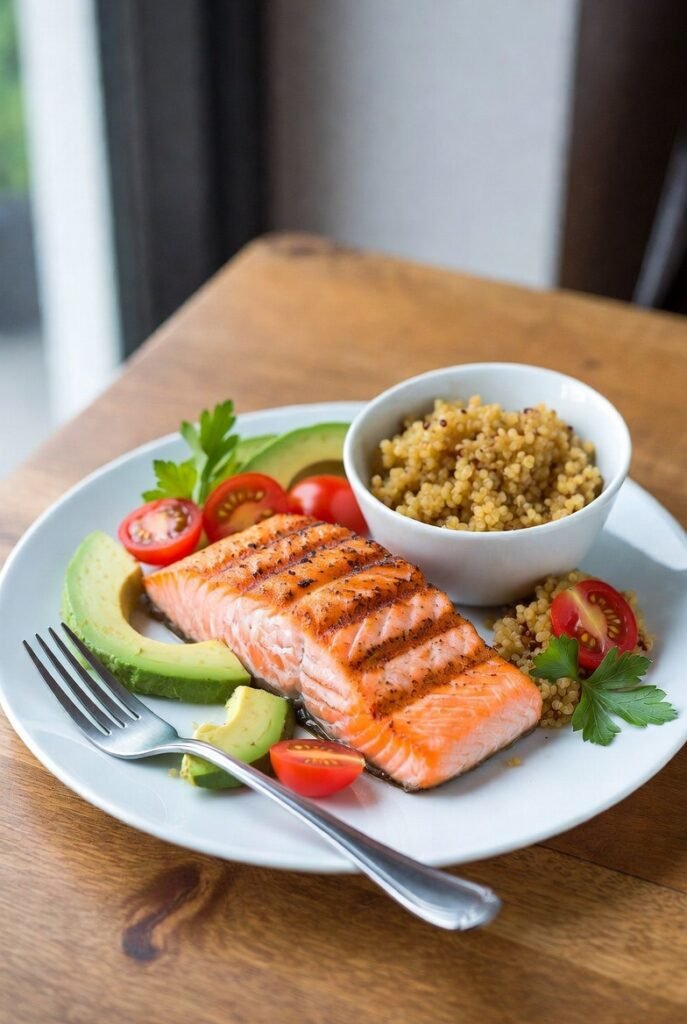
11. Salmon and Fatty Fish
Salmon is rich in omega-3 fatty acids, which studies suggest help protect against cardiovascular disease, reduce inflammation, and may support healthy cognitive function.
12. Nuts and Seeds
Nuts and seeds are rich in fiber, plant-based protein, and heart-healthy fats, along with plant compounds that carry anti-inflammatory and antioxidant properties to help protect against oxidative stress.
13. Chicken Breast
While not as commonly discussed as plant-based superfoods, lean chicken breast is low in fat and calories while delivering a strong source of protein, making it an easy pairing with many other foods on this list throughout the day.
Dairy & Fermented Foods

14. Yogurt
Yogurt supports gut health through probiotics and good bacteria, and it’s also a solid source of calcium, potassium, vitamin B12, protein, and zinc. It’s worth checking labels here, since some yogurt brands are high in added sugar, which can undercut the health benefits you’re going for.
15. Sauerkraut
Like other fermented foods, sauerkraut is an affordable, local superfood that supports gut health through beneficial bacteria, proving once again that you don’t need an exotic ingredient to get real benefits.
How to Actually Incorporate Superfoods Into Your Day
Working superfoods into your routine doesn’t have to be complicated. A few simple starting points:
- Add berries to cereal or oatmeal for an easy antioxidant boost with zero extra effort.
- Blend spinach into smoothies — it adds nutrients without noticeably changing the flavor.
- Swap a side dish for quinoa in place of white rice or pasta a few times a week.
- Combine superfoods for synergy. A smoothie with spinach, berries, and chia seeds, or a salad with avocado, nuts, and colorful vegetables, maximizes the nutrient density of a single meal.
- Focus on seasonal, local options. Regional fruits and vegetables are often just as nutrient-dense as trendy imported ones, and they tend to be fresher and cheaper too.
An Important Reality Check
It’s worth repeating: no single food is a magic bullet, and eating superfoods alone doesn’t automatically add up to a healthy diet. A varied, balanced eating pattern built around whole foods — with these nutrient-dense options playing a starring role — will always outperform trying to eat one “miracle” ingredient in isolation.
Frequently Asked Questions
Is “superfood” a real scientific term?
Not officially. There’s no formal scientific definition of a superfood — the term originated largely as a marketing label for nutrient-dense foods, though the foods themselves often do carry genuine, well-documented health benefits.
Can superfoods replace a balanced diet?
No. Superfoods work best as part of an already healthy, varied diet rather than as a substitute for one. Eating too much of any single food, even a nutrient-dense one, can crowd out other nutrients your body needs.
Are expensive, exotic superfoods better than local ones?
Not necessarily. Many local, affordable foods like blueberries, beets, and sauerkraut offer comparable or even superior nutrient profiles to pricier imported alternatives like goji berries or chia seeds.
How many superfoods should I try to eat each day?
There’s no strict number to aim for. The bigger priority is overall variety and consistency — working a mix of these foods into your routine regularly matters more than hitting an exact count.
Final Thoughts
Superfoods aren’t a magic fix, but they are a genuinely useful category of foods worth building your everyday meals around. Start small — a handful of berries here, a swap to quinoa there — and let these nutrient-dense choices become part of your normal routine rather than a short-term trend you abandon after a few weeks.