
You don’t need a studio membership, a fancy outfit, or years of flexibility to start practicing yoga. All you really need is a small patch of floor, a few quiet minutes, and a simple routine to follow. Yoga at home is one of the most accessible ways to build strength, improve flexibility, and calm a busy mind — and it meets you exactly where you are, whether that’s touching your toes easily or barely reaching your knees.
Below you’ll find 10+ yoga for beginners at home routine ideas, broken down into foundational poses, gentle flows, and full sample routines you can follow today. No experience, no equipment beyond a mat, and no pressure to look a certain way — just a simple starting point. Save this page, because you’ll want to return to it as your practice grows.
What to Know Before Your First Home Yoga Practice
Yoga for beginners isn’t about touching your toes, twisting into complicated shapes, or achieving perfect stillness. It’s about learning to move your body with awareness, breathe more deeply, and build strength and flexibility gradually, at your own pace. You don’t need to be flexible to start — flexibility is a result of consistent practice, not a requirement to begin one.
Practicing yoga at home requires very little in the way of equipment. A yoga mat, a chair for support if needed, and a bit of comfortable, uninterrupted space are genuinely enough to get started, which makes it one of the most accessible forms of exercise to build into a daily routine.
Yoga Basics Every Beginner Should Know
- Focus on breath, not perfection. Deep, steady breathing is more important than getting a pose to look exactly right.
- Move slowly and with control. Yoga isn’t about speed — pausing to feel each position is where most of the benefit comes from.
- Use modifications freely. Blocks, blankets, straps, or even a rolled towel can make poses accessible without forcing your body into a range of motion it isn’t ready for yet.
- Hold each pose for 15-60 seconds, breathing normally throughout, before moving to the next one.
- Warm up before intense stretching. A few minutes of gentle movement helps prepare muscles and joints before deeper stretches.
- Consistency beats intensity. A calm 10-minute daily practice will build more progress over a month than one exhausting hour-long session done once.
10+ Yoga for Beginners at Home Routine Ideas
Foundational Standing Poses
1. Mountain Pose (Tadasana)
Stand tall with feet together or hip-width apart, arms relaxed at your sides, and weight evenly distributed through both feet. Considered the foundation for nearly every other standing pose, Mountain Pose improves posture and helps you center your breath before moving into anything more challenging.
2. Warrior I (Virabhadrasana I)
Step one foot back into a lunge stance, bend your front knee, square your hips forward, and raise both arms overhead. This pose builds leg strength and opens the hips, while also encouraging you to engage your core to stay balanced.
3. Tree Pose (Vrikshasana)
Stand on one leg, place the sole of your other foot against your inner calf or thigh (never directly on the knee), and bring your hands together at your chest or overhead. Tree Pose is one of the best beginner poses for building balance and core stability, and it also gently stretches the thighs and groin.
4. Triangle Pose (Trikonasana)
Stand with feet wide apart, extend one arm toward the front foot while reaching the other arm toward the ceiling, creating a long diagonal line through your body. This pose stretches the hamstrings, hips, and spine simultaneously, making it one of the more efficient full-body stretches for beginners.
Read Also: Well Fit Look
Gentle Floor & Restorative Poses
5. Child’s Pose (Balasana)
Kneel on the mat, sit back onto your heels, then stretch your arms forward and rest your forehead on the floor, breathing deeply. Child’s Pose is a gentle resting position that stretches the back, hips, and shoulders, and it can be returned to at any point during a routine whenever you need a pause.
6. Cat-Cow Stretch (Marjaryasana-Bitilasana)
Start on all fours with wrists under shoulders and knees under hips, then alternate between rounding your spine toward the ceiling (Cat) and dipping your belly while lifting your chest and tailbone (Cow). This gentle flow warms up the spine and is one of the most commonly used movements to start any beginner yoga session.
7. Seated Forward Fold (Paschimottanasana)
Sit with legs extended straight in front of you, then hinge forward from the hips (not the spine) and reach toward your feet, using a strap or towel around your feet if you can’t reach comfortably. This pose stretches the hamstrings and calms the nervous system, making it a great addition toward the end of a routine.
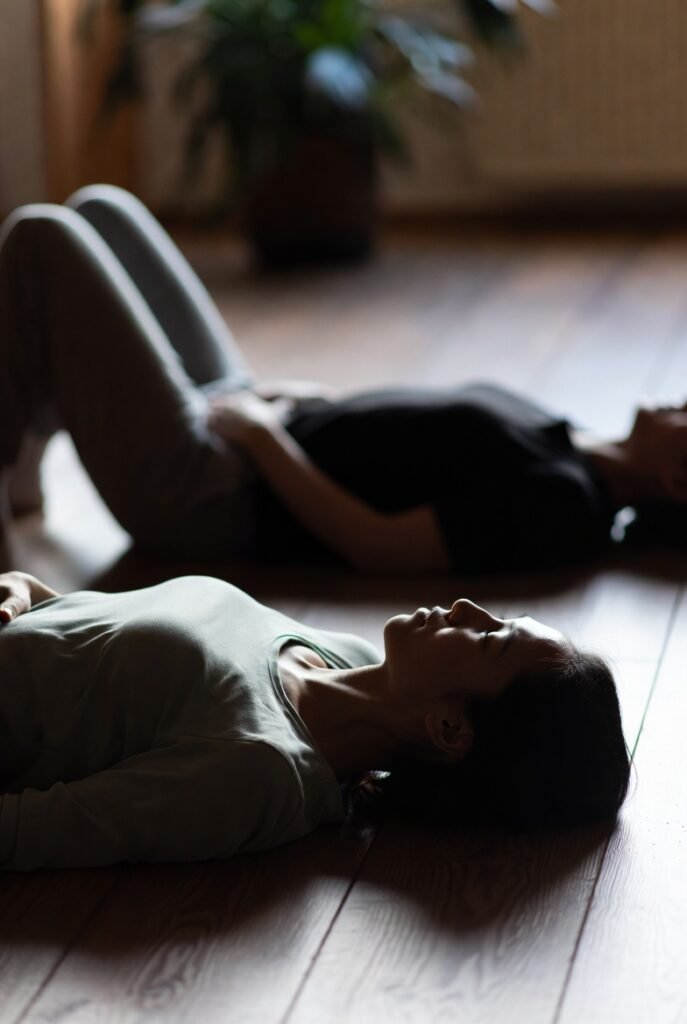
8. Corpse Pose (Savasana)
Lie flat on your back with arms relaxed at your sides, palms facing up, and legs slightly apart, allowing your whole body to fully relax. Though it looks like simply lying down, Savasana is considered essential to a complete practice — it’s where your nervous system integrates the benefits of everything you just did.
Core & Strength-Building Poses
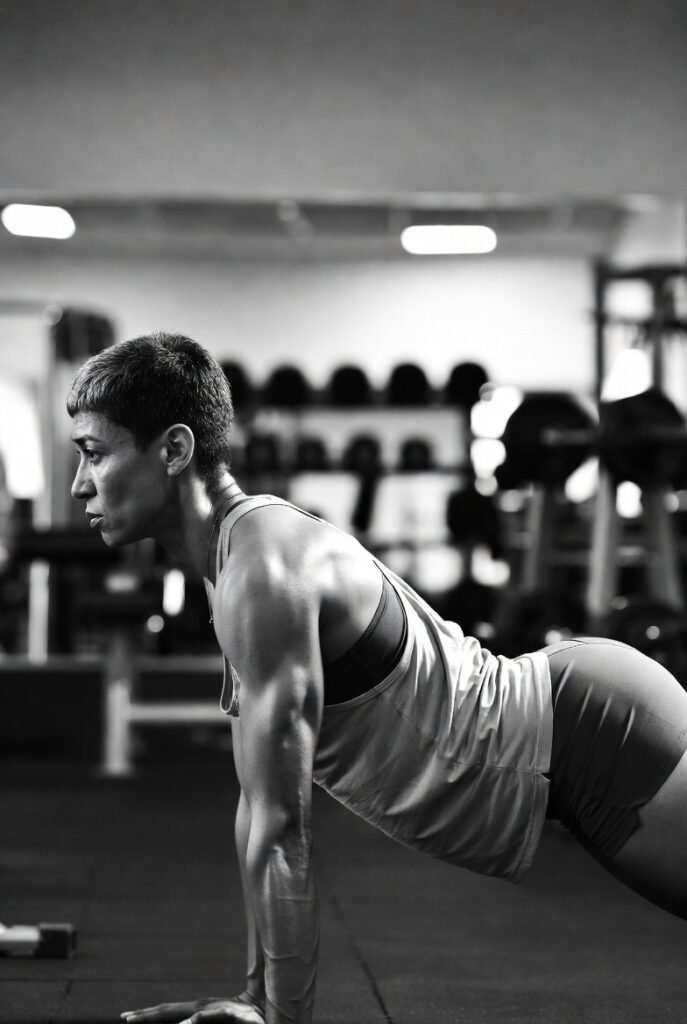
9. Plank Pose (Kumbhakasana)
Position your hands directly under your shoulders in a high plank, keeping your body in one straight line from head to heels. This pose builds core stability and arm strength, and it’s worth dropping your knees to the mat as a modification if a full plank is too intense at first.
10. Downward Facing Dog (Adho Mukha Svanasana)
From a high plank, press your hands into the mat and lift your hips toward the ceiling, forming an inverted V-shape with your body. This gentle inversion stretches and strengthens your entire body at once, from your shoulders down through your hamstrings and calves, and it’s one of the most recognizable poses in all of yoga for good reason.
11. Low Lunge (Anjaneyasana)
Step one foot forward into a lunge, lower your back knee to the mat, and reach your arms overhead while gently sinking your hips forward. This pose opens the front of the hip on the back leg, which is especially valuable for anyone who sits for long periods during the day.
Full-Body Flows

12. Sun Salutation (Surya Namaskar)
Move through a sequence combining Mountain Pose, a forward fold, a low lunge, plank, and Downward Facing Dog in one continuous flow. Sun Salutations are often used to open a full yoga practice because they warm up the entire body while linking movement with breath.
13. Malasana (Yoga Squat)
Stand with feet slightly wider than hip-width, lower into a deep squat, and bring your palms together in front of your chest, using your elbows to gently press your knees outward. This pose opens the hips deeply, and using a block or rolled blanket under your heels makes it accessible if your heels don’t naturally reach the floor.
Sample 10-Minute Beginner Yoga Routine
If you only have a few minutes, this simple sequence hits the key areas of a well-rounded beginner practice:
| Time | Pose |
|---|---|
| 0-1 min | Mountain Pose (settle in, breathe) |
| 1-2 min | Cat-Cow Stretch |
| 2-3 min | Downward Facing Dog |
| 3-4 min | Low Lunge (each side) |
| 4-5 min | Warrior I (each side) |
| 5-6 min | Tree Pose (each side) |
| 6-7 min | Seated Forward Fold |
| 7-8 min | Child’s Pose |
| 8-10 min | Savasana |
Repeat this same routine daily for a couple of weeks before adding new poses — familiarity with a sequence makes it much easier to focus on breath and form rather than remembering what comes next.
Tips for Making a Home Yoga Practice Stick
- Practice at the same time each day so it becomes a natural part of your routine rather than something you have to remember to schedule.
- Keep your mat visible, rather than stored away, so it’s a visual reminder and removes a small barrier to starting.
- Don’t check your phone between poses. Even a 10-minute routine is easier to stay present for when you’re not interrupting the flow.
- Use modifications without guilt. Blocks, straps, and blankets aren’t a sign you’re “bad at yoga” — they’re tools that make poses accessible at every stage.
- Reassess your practice occasionally. Even simple, foundational poses benefit from a second look every few weeks to check your alignment and form.
Frequently Asked Questions
How long should a beginner yoga session be?
A 10-15 minute daily session is a great starting point, and it’s genuinely enough to build both a habit and real physical benefits. Longer sessions can be added later once the basics feel comfortable.
Do I need to be flexible to start yoga?
No. Flexibility develops as a result of consistent practice — you don’t need to be flexible before you begin, and most beginner poses have modifications for exactly this reason.
What equipment do I need for yoga at home?
A yoga mat is the main essential. Blocks, a strap, or even a rolled towel and a folded blanket can help make poses more accessible, but none of these are strictly required to begin.
How often should beginners practice yoga?
Practicing 3-5 times per week is a solid starting point for building both flexibility and habit, though even daily short sessions of 10 minutes can produce noticeable benefits over a few weeks.
Final Thoughts
Starting a yoga practice at home is less about mastering complicated poses and more about showing up consistently, breathing deeply, and letting your body adapt at its own pace. Pick a handful of poses from this list, follow the simple 10-minute routine to start, and give yourself permission to modify wherever you need to. That consistency — not intensity — is what turns yoga from a one-time try into a lasting habit.