10 no-equipment workouts for small spaces can turn a quiet corner of your living room into a real workout spot. You do not need a home gym, a set of weights, or a big open floor. All you need is about the size of a yoga mat, a wall or a sturdy chair, and ten minutes to start.
The 10 no-equipment workouts for small spaces in this guide are bodyweight moves that stay in one place, so you never need to jump, run across the room, or rearrange furniture. Each one works with your own body weight, which means the moves are gentle on joints and easy to scale up or down. You can do them in a flat, a dorm room, or a spare corner of a bedroom.
Each workout below tells you what it is, who it suits, how to do it, a pro tip, and a mistake to avoid. The 10 no-equipment workouts for small spaces here cover legs, glutes, chest, core, and balance, so a short session still feels complete. Read them in order, clear a small patch of floor, and start with the move that feels easiest.
Table of Contents
Why a Small Space Is Enough for a Good Workout
A small room does not mean a small workout. Most strength moves happen in one spot, with your feet planted and your body moving up, down, or forward by a few inches. The 10 no-equipment workouts for small spaces in this guide were chosen because each one fits that rule, so you can train legs, arms, and core without ever leaving your mat.
Bodyweight training works because your own weight is the resistance. Squats, push-ups, and planks ask your muscles to hold and lift you, and that load is enough to build strength when you move slowly and with control. The 10 no-equipment workouts for small spaces here use slow, steady reps, so every rep counts and your form stays clean.
A small space also helps you stay consistent. When the workout spot is already set up, there is no drive to a gym and no long setup to put off. If you already enjoy gentle movement at home, these beginner indoor winter workouts pair well with the moves below, since both fit a single room and a busy day. A ten-minute session after work is easier to keep than an hour you never start.
Quiet matters too, especially in a flat with neighbors below. None of the moves in this guide ask you to jump or stomp, so your floor stays still and your downstairs neighbors stay happy. The 10 no-equipment workouts for small spaces below are low-impact by design, which also makes them kinder on knees and ankles.
How to Set Up Your Tiny Workout Corner
Pick one corner where you can stretch your arms out without touching furniture, and lay a yoga mat or a folded blanket on the floor. That patch is your whole gym. The 10 no-equipment workouts for small spaces in this guide need nothing more than that mat, a wall for support, and a sturdy chair for two of the moves.
Clear the floor before you start, and check that nothing sharp or loose is in reach. Move shoes, bags, and cables out of the way, and make sure the chair you use has four steady legs and does not slide. If you want ideas for a slightly bigger setup later, these simple home gym ideas show how a small corner can grow without taking over a room.
Keep a bottle of water and a small towel nearby, and wear shoes with grip or go barefoot on the mat if that feels steadier. Good form matters more than speed, so the ACE exercise library is a useful place to check how a squat or plank should look before you try it. The 10 no-equipment workouts for small spaces below all reward slow, careful reps over fast, sloppy ones.
A short safety note before you begin: clear the floor, move slowly into each new move, and stop if a joint hurts rather than pushing through pain. If you have a health condition, check with a doctor before starting a new exercise routine. The 10 no-equipment workouts for small spaces in this guide are general information, not medical advice, and your body is the best judge of what feels right.
10 No-Equipment Workouts for Small Spaces
Use this list as a menu, not a test. Each move below tells you what it is, who it suits, how to do it, a pro tip, and a mistake to avoid. The 10 no-equipment workouts for small spaces cover legs, glutes, chest, core, and balance, so you can pick three or four for a short session or work through all ten.
Start with two sets of eight to ten slow reps for each move, and rest for thirty seconds between sets. The 10 no-equipment workouts for small spaces here are written so a complete beginner can start today, and each one has a simple way to make it easier or harder as you get stronger.
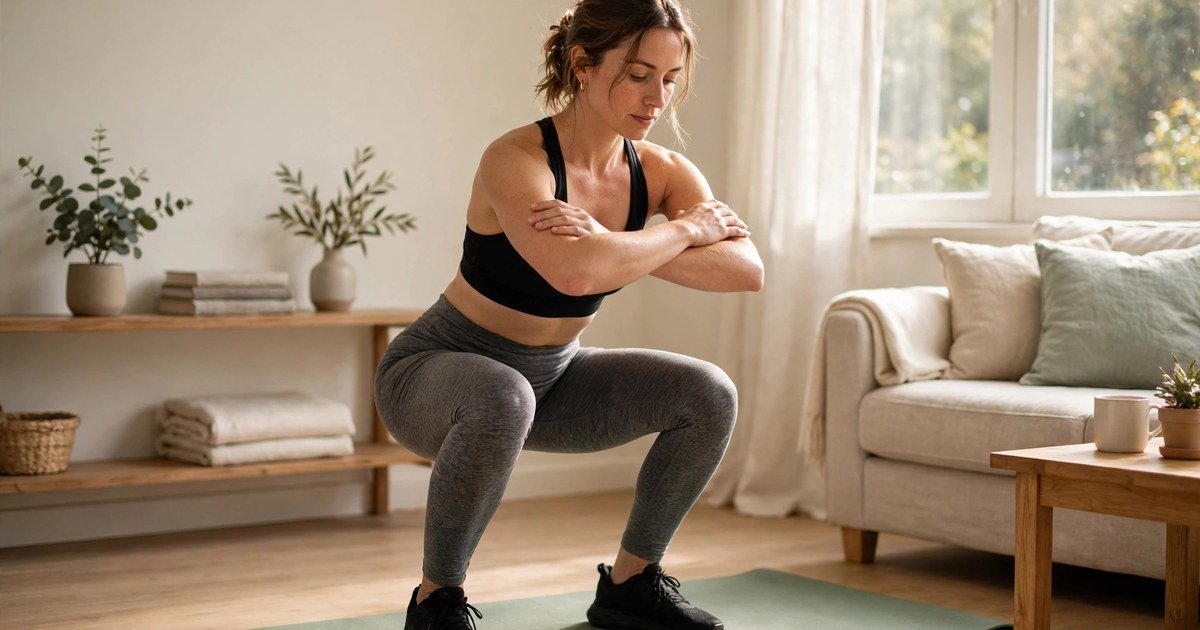
1. Bodyweight Squats
What it is: The classic lower-body move: you lower your hips as if sitting into a chair, then stand back up, using only your body weight. It builds leg and glute strength and teaches a hip hinge you use every day.
Who it suits: This move suits almost everyone, and it is one of the 10 no-equipment workouts for small spaces that beginners should learn first. If standing from a chair feels hard, this is the move that makes it easier.
How to do it: Stand with feet hip-width apart and toes turned slightly out. Push your hips back, bend your knees, and lower until your thighs are near parallel to the floor. Keep your chest up and your heels down, then press through your heels to stand. Do eight to ten slow reps.
Pro tip: Take three seconds to lower down and one second to stand up, since the slow lowering is where most of the strength is built.
Mistake to avoid: Do not let your knees collapse inward or your heels lift off the floor, since both put extra strain on your knees.
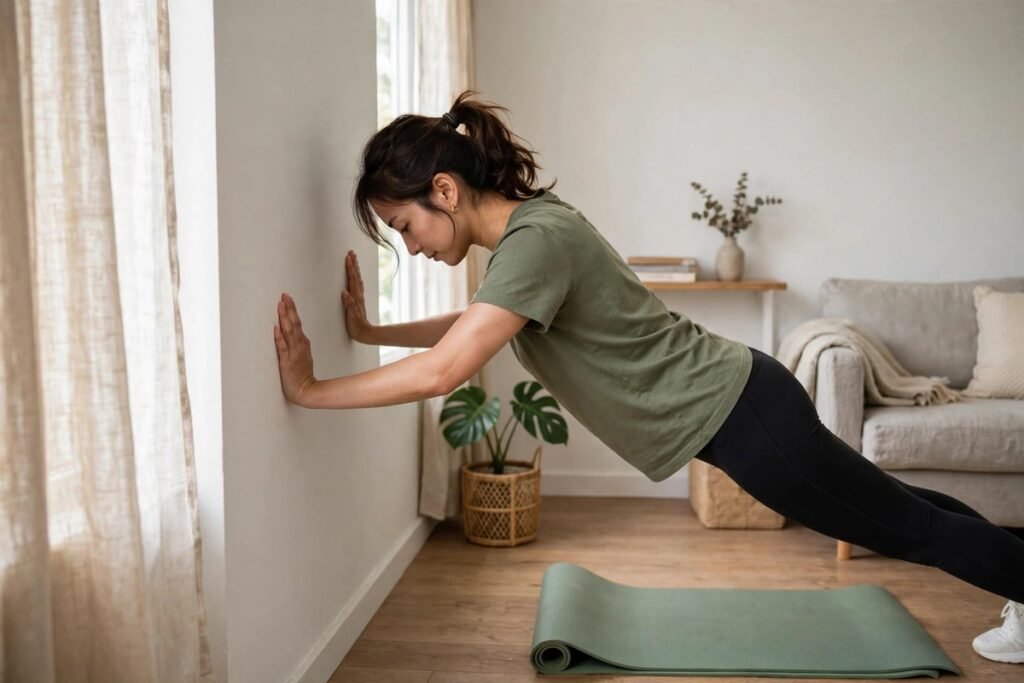
2. Wall Push-Ups
What it is: A push-up done standing against a wall, so your arms and chest work without the floor. It is the gentlest way to build pushing strength, and it needs only a clear stretch of wall.
Who it suits: This move suits anyone who finds floor push-ups too hard, and it is one of the 10 no-equipment workouts for small spaces that works well for older adults and complete beginners.
How to do it: Stand an arm’s length from a wall with your palms flat against it at shoulder height. Bend your elbows and lower your chest toward the wall, then press back until your arms are straight. Keep your body in one straight line from head to heels. Do eight to twelve slow reps.
Pro tip: Step farther from the wall to make the move harder, or closer to make it easier, since your body angle sets the load.
Mistake to avoid: Do not let your hips sag or your elbows flare wide, since both take the work away from your chest and onto your shoulders.
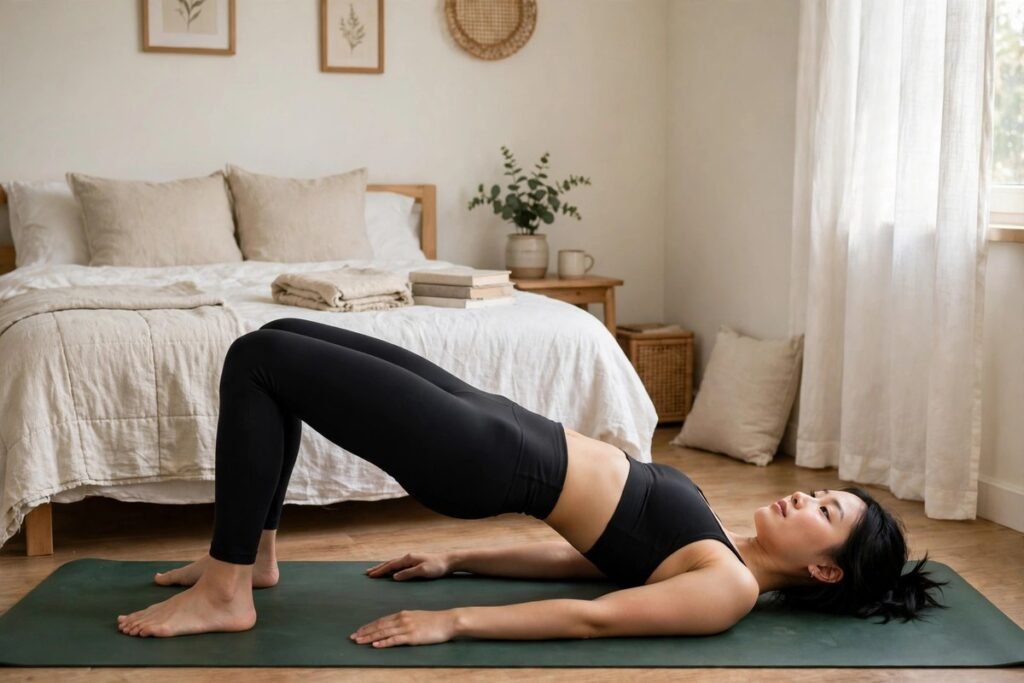
3. Glute Bridges
What it is: A floor move where you lie on your back and lift your hips toward the ceiling, waking up the glutes and the backs of the legs. It is quiet, gentle, and easy on the knees.
Who it suits: This move suits anyone who sits a lot during the day, and it is one of the 10 no-equipment workouts for small spaces that helps stiff hips feel looser after a long day at a desk.
How to do it: Lie on your back with knees bent and feet flat on the mat, arms by your sides. Press through your heels and lift your hips until your body forms a straight line from shoulders to knees. Hold for two seconds, then lower slowly. Do ten to twelve reps.
Pro tip: Squeeze your glutes at the top of each rep and think about pushing the floor away with your heels.
Mistake to avoid: Do not arch your lower back at the top, since the lift should come from your glutes, not from bending your spine.
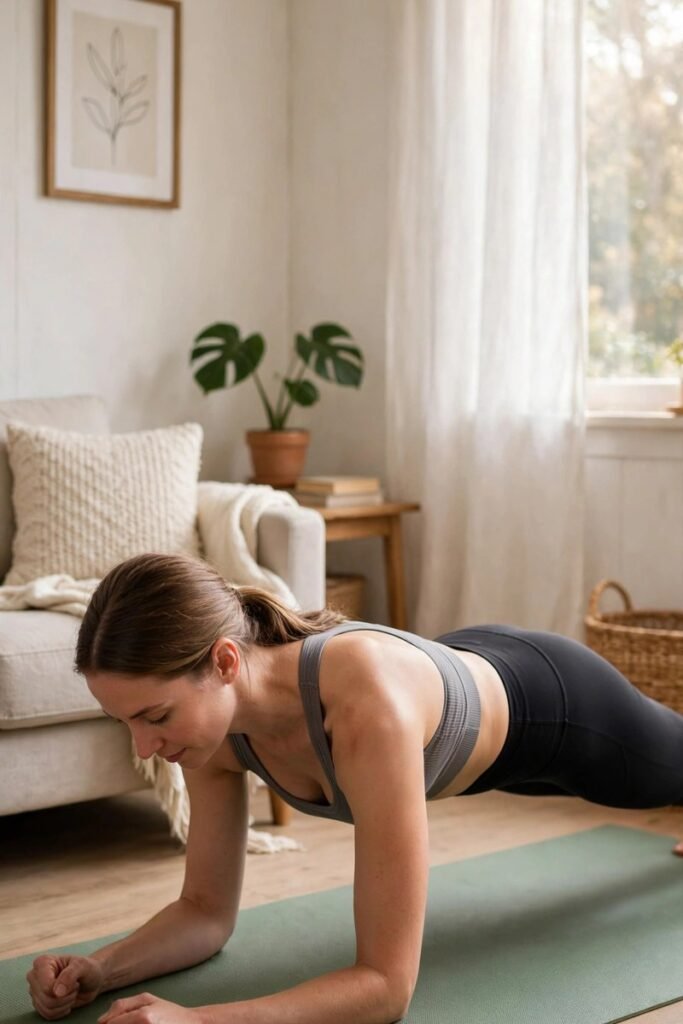
4. Forearm Plank
What it is: A still hold on your forearms and toes that trains the whole core to stay steady. It needs no movement at all, which makes it one of the quietest moves in this guide.
Who it suits: This move suits anyone who wants a stronger core without sit-ups, and it is one of the 10 no-equipment workouts for small spaces that fits even the tiniest floor patch.
How to do it: Place your forearms on the mat with elbows under your shoulders, and stretch your legs out behind you on your toes. Keep your body in a straight line from head to heels, and breathe steadily. Hold for twenty to thirty seconds, then rest and repeat twice.
Pro tip: If a full plank feels too hard, drop your knees to the mat and hold the same straight line from knees to head.
Mistake to avoid: Do not let your hips sag toward the floor or pike up toward the ceiling, since both take the work out of your core.
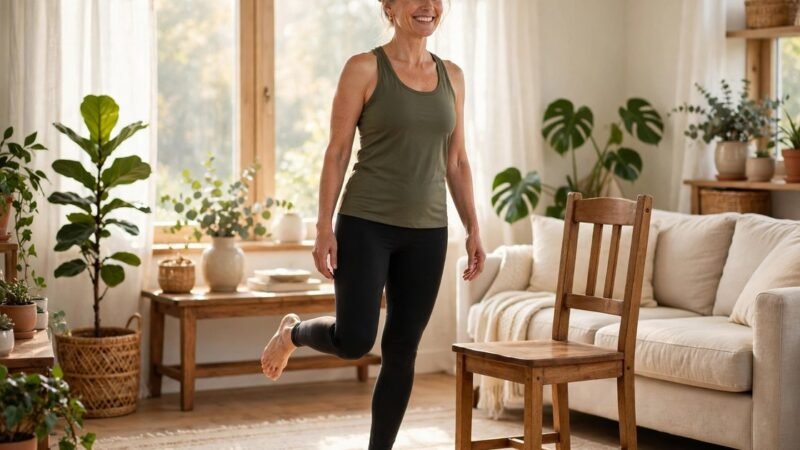
5. Reverse Lunges
What it is: A step-back lunge that trains one leg at a time, building balance and leg strength without needing room to walk forward. It is gentler on the knees than a forward lunge.
Who it suits: This move suits anyone working on balance and single-leg strength, and it is one of the 10 no-equipment workouts for small spaces that pairs well with squats for a full leg session.
How to do it: Stand tall with your hands on your hips or holding a wall lightly. Step one foot back, lower both knees until the back knee nearly touches the mat, then press through the front heel to return. Alternate legs for eight reps each side.
Pro tip: Take a shorter step back if your balance wobbles, since a small, steady step beats a long, wobbly one.
Mistake to avoid: Do not let your front knee drift past your toes or your chest lean forward, since both throw off your balance.
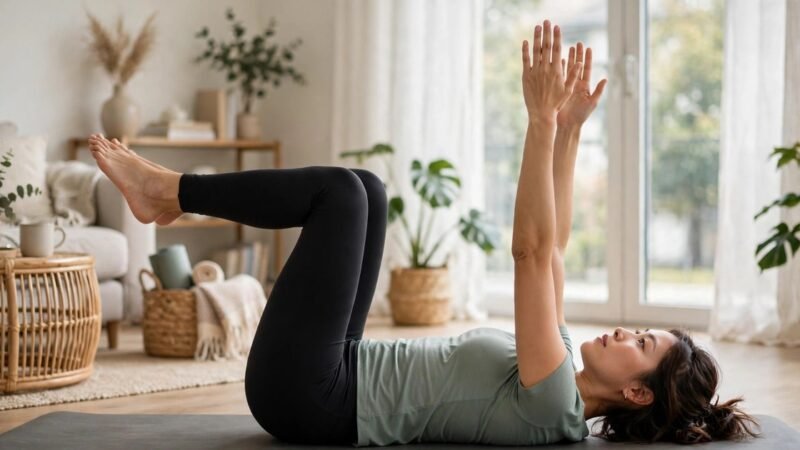
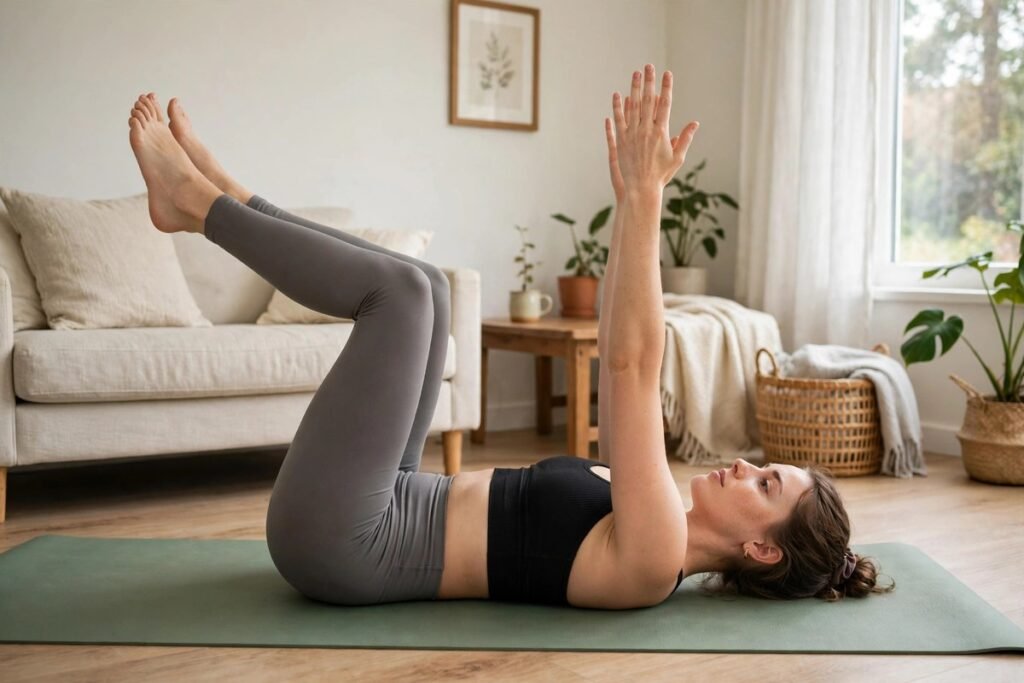
6. Dead Bugs
What it is: A slow floor move where you lie on your back and lower the opposite arm and leg, teaching your core to stay still while your limbs move. It looks easy and feels surprisingly hard.
Who it suits: This move suits anyone with a sensitive lower back who wants core work without crunches, and it is one of the 10 no-equipment workouts for small spaces that builds control before strength.
How to do it: Lie on your back with arms reaching toward the ceiling and knees bent above your hips. Slowly lower your right arm and left leg toward the floor, keeping your lower back pressed gently into the mat. Return, then switch sides. Do six to eight slow reps per side.
Pro tip: Move so slowly that you could stop at any point, since control is the whole point of this move.
Mistake to avoid: Do not let your lower back arch off the mat as your limbs lower, since that arch means your core has stopped working.
7. Chair Squats
What it is: A squat to a chair seat and back up again, which gives you a clear target and a safe place to rest. It is the most practical move in this guide, since it trains the exact motion of sitting and standing.
Who it suits: This move suits anyone who feels unsteady in a free squat, and it is one of the 10 no-equipment workouts for small spaces that builds confidence fast because the chair is always there.
How to do it: Stand in front of a sturdy chair with your feet hip-width apart. Push your hips back and lower until you lightly touch the seat, then press through your heels to stand. Do not flop down or bounce up. Do eight to ten reps.
Pro tip: Touch the chair as lightly as a feather, since barely grazing the seat keeps your muscles working the whole time.
Mistake to avoid: Do not use a chair with wheels or one that slides, since a moving chair is the fastest way to lose your balance.
8. Standing Knee-to-Elbow
What it is: A standing move where you lift one knee and twist gently to meet the opposite elbow, waking up the core and the hips. It needs no floor space at all, just room to stand.
Who it suits: This move suits anyone who prefers to stay on their feet, and it is one of the 10 no-equipment workouts for small spaces that works well as a warm-up or a gentle finisher.
How to do it: Stand tall with your hands behind your head and elbows wide. Lift your right knee and bring your left elbow toward it, then return and switch sides. Move slowly and keep your chest open. Do eight reps per side.
Pro tip: Focus on the twist coming from your waist, not from yanking your neck, since the core should do the work.
Mistake to avoid: Do not rush the move or pull on your neck, since speed and neck-pulling both take the work away from your core.
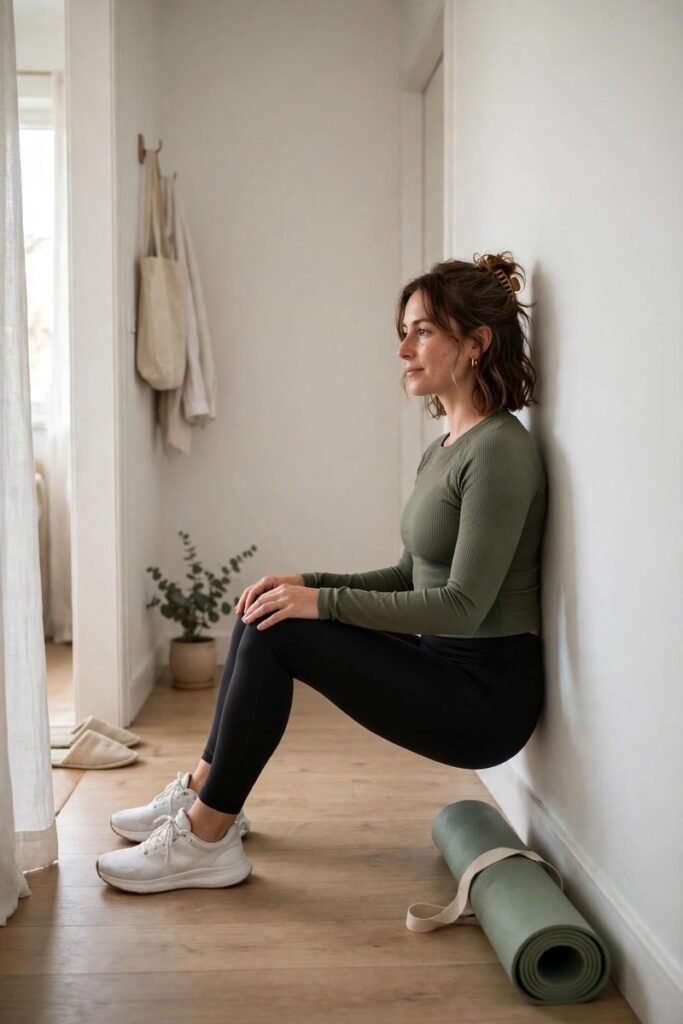
9. Wall Sits
What it is: A still hold with your back flat against a wall and your knees bent, as if sitting in an invisible chair. It builds leg endurance without a single step.
Who it suits: This move suits anyone who wants strong legs without impact, and it is one of the 10 no-equipment workouts for small spaces that you can do while waiting for the kettle to boil.
How to do it: Stand with your back flat against a wall and slide down until your knees are bent at about a right angle. Keep your feet flat and your knees over your ankles. Hold for twenty to thirty seconds, then slide back up. Repeat twice.
Pro tip: Press your whole back into the wall, not just your shoulders, since full contact keeps your spine in a safe, steady line.
Mistake to avoid: Do not slide so low that your knees hurt or your heels lift, since a slightly higher hold is safer and still builds strength.
10. Slow Mountain Climbers
What it is: A slow, controlled plank march where you draw one knee toward your chest at a time. Done slowly, it trains the core, shoulders, and hips with no jumping and no noise.
Who it suits: This move suits anyone who wants a gentle full-body finisher, and it is one of the 10 no-equipment workouts for small spaces that links the core work to the leg work in one move.
How to do it: Start in a high plank on your hands with your body in a straight line. Draw your right knee slowly toward your chest, return it, then draw the left knee in. Keep your hips level and breathe steadily. Do eight slow reps per side.
Pro tip: Count two seconds in and two seconds out for each knee, since the slow pace is what keeps this move quiet and joint-friendly.
Mistake to avoid: Do not bounce or let your hips rock side to side, since a still, level plank is what makes the core work.
A Simple Weekly Plan for Small-Space Workouts
A simple week beats a perfect week. Pick three days that fit your life, and do four or five moves on each day, leaving a rest day between sessions. The 10 no-equipment workouts for small spaces above give you plenty to choose from, so no two days need to look the same.
A good starter week looks like this: on day one, do bodyweight squats, wall push-ups, glute bridges, and a forearm plank. On day two, do reverse lunges, dead bugs, chair squats, and wall sits. On day three, repeat your favorite four moves and add standing knee-to-elbow and slow mountain climbers. The CDC adult activity guidelines note that adults benefit from muscle-strengthening activity on two or more days a week, so three short sessions put you in a good place.
Keep each session to fifteen or twenty minutes, including a two-minute warm-up of marching in place and gentle arm circles. The 10 no-equipment workouts for small spaces in this guide are written for short sessions, so a little done often beats a lot done once. If you want to build steadier balance alongside strength, these balance exercises for beginners at home make a natural next step after a few weeks.
Track what you do in a notebook or on your phone, and add one rep or five seconds to a hold each week. Small, steady progress is how a tiny-room routine turns into real strength, and the 10 no-equipment workouts for small spaces here are built to grow with you.
Frequently Asked Questions About 10 No-Equipment Workouts for Small Spaces
The 10 no-equipment workouts for small spaces above cover the moves, the setup, and the weekly plan, so here are answers to the questions people ask most often. If you are starting from scratch, begin with squats, wall push-ups, and glute bridges, since those three teach the basics of every other move.
Can I really build strength without equipment?
Yes, for most beginners and for anyone returning to exercise after a break. Your body weight is a real load, and slow reps with good form challenge your muscles enough to build strength. The 10 no-equipment workouts for small spaces in this guide use that load well, and you can make any move harder by slowing down, adding reps, or holding longer.
If a move starts to feel easy, change the tempo before you change the move. A squat that takes five seconds to lower is a different exercise from a fast one, and that change alone can keep you progressing for months.
How much space do I actually need?
About the size of a yoga mat, plus enough wall for push-ups and wall sits. That is roughly two meters by one meter of clear floor, and the 10 no-equipment workouts for small spaces here were chosen because none of them ask you to travel across a room. Push furniture back, roll out a mat, and you are ready.
Are these workouts quiet enough for an apartment?
Yes. None of the ten moves involves jumping, running, or dropping to the floor, so there is no thud for neighbors to hear. Slow mountain climbers and planks are done on the mat, and wall sits and chair squats barely move at all. If your floor is hard, a thick mat also softens any sound from knees or elbows.
How often should I do 10 no-equipment workouts for small spaces?
Three days a week is a great place to start, with a rest day between sessions so your muscles can recover. The 10 no-equipment workouts for small spaces above are gentle enough for a short daily session too, as long as you vary the moves and keep the effort easy on back-to-back days.
Listen to your body more than to any schedule. If your legs feel heavy, swap a leg day for core moves, or take an extra rest day and come back fresh.
What if I cannot do a full squat or plank yet?
Start with the easier version of each move and build up. Chair squats let you sit and stand with support, wall push-ups let you set your own angle, and a plank on your knees builds the same core strength as a full plank. The 10 no-equipment workouts for small spaces in this guide all have a gentler starting point, and most people find the full version within a few weeks.
10 No-Equipment Workouts for Small Spaces to Start Tonight
The 10 no-equipment workouts for small spaces in this guide prove that a strong workout needs nothing more than a small patch of floor and your own body weight. A squat, a wall push-up, a glute bridge, and a plank are enough to start, and the other six moves are there when you are ready for more.
Clear your corner tonight, roll out a mat, and try just three moves for ten minutes. The 10 no-equipment workouts for small spaces here are written to be used, not just read, so the best next step is a short, easy session rather than a perfect plan.
Then keep exploring the guides on Well Fit Look for more gentle, practical ideas for staying strong at home. If you want to strengthen your middle next, these core exercises for beginners at home build on the plank and dead bug work you started here.