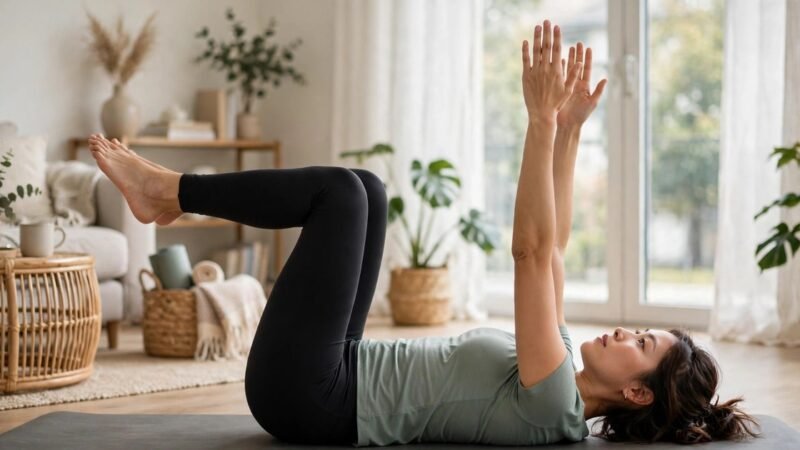
10 morning stretches for better flexibility can change how your whole day feels, starting with the first ten minutes after you wake up. Your body spends the night still, and your muscles, joints, and spine wake up stiff and a little slow. A short stretch routine loosens all of that before you sit at a desk, lift a bag, or chase the day.
The 10 morning stretches for better flexibility in this guide are gentle, slow moves that anyone can do in a living room or beside the bed. None of them need equipment, a mat is optional, and every stretch takes about a minute. You can do the full routine in ten minutes, or pick three or four stretches on a rushed morning and still feel the difference.
Each stretch below tells you what it is, who it suits, how to do it, a pro tip, and a mistake to avoid. The 10 morning stretches for better flexibility here cover your neck, shoulders, back, hips, and legs, so the whole body gets attention. Start slowly, breathe normally, and let the routine set a calm tone for the day.
Table of Contents
Why Mornings Are the Best Time to Stretch
Overnight, your body cools down and stays still for hours, which is why so many people wake up feeling stiff in the neck, lower back, and hips. The 10 morning stretches for better flexibility in this guide are built for exactly that moment, when gentle movement helps blood flow reach tight spots and wakes your muscles up gradually. A short stretch routine is a kinder start than jumping straight into a busy morning.
Stretching keeps your muscles flexible and healthy, and that flexibility protects your range of motion in your joints, according to the Harvard Health guide to stretching. When muscles stay short and tight, everyday moves like reaching overhead or turning your head can feel harder than they should. A daily stretch habit helps your body stay ready for the things you ask of it.
Mornings also work because the routine is easy to protect. Before emails, chores, and errands pile up, ten quiet minutes belong to you, and the habit is easier to keep when it happens at the same time every day. The 10 morning stretches for better flexibility below fit that window perfectly, since none of them takes more than a minute.
Evening stretching has its place too, and these bedtime stretches for better sleep are a calm way to wind down at night. Morning stretches are different, though: they wake your body up rather than settling it down. Think of the morning routine as the start of the day and the evening one as the close.
How to Build Your 10-Minute Morning Stretch Routine
Start with a small patch of floor beside your bed or in your living room, and wear clothes you can move in. The 10 morning stretches for better flexibility in this guide need nothing more than that patch of floor, though a yoga mat makes the floor stretches softer on knees and hips. Keep a glass of water nearby, and give yourself ten unhurried minutes before the rest of the house wakes up.
Do the stretches in the order they appear below, since the routine moves from the neck down through the shoulders, back, hips, and legs. Hold each stretch for twenty to thirty seconds, breathe slowly, and move into each position gradually. The 10 morning stretches for better flexibility here are written to flow in that order, so your body warms up as you go.
If you enjoy slow, gentle movement in the morning, these cozy winter yoga poses for stiffness pair well with the stretches below. Yoga poses and stretches are cousins, not twins: the stretches in this guide are simple holds you can learn in seconds. Mixing the two across the week keeps your routine fresh without adding any real effort.
A short safety note before you begin: move slowly, never force a stretch, and stop if a joint hurts rather than pushing through pain. You should feel a gentle pull, not a sharp one, and your breathing should stay easy throughout. If you have a health condition, check with a doctor before starting the 10 morning stretches for better flexibility, since this guide is general information, not medical advice.
10 Morning Stretches for Better Flexibility
Use this list as a menu, not a test, and work through the stretches in order for a full ten-minute routine. Each stretch below tells you what it is, who it suits, how to do it, a pro tip, and a mistake to avoid. The 10 morning stretches for better flexibility here cover the whole body, so even a short session feels complete.
Hold each stretch for twenty to thirty seconds and repeat on both sides where the stretch asks for it. If a stretch feels too easy, hold it a little longer rather than pushing deeper. Strong, steady legs help too, and these core exercises for beginners support the balance you need for the standing stretches below.
1. Slow Neck Circles
What it is: A slow, gentle circle of the head that loosens the neck after a night of sleeping in one position. It is the softest way to start the routine, and it takes less than a minute.
Who it suits: This stretch suits anyone who wakes up with a stiff neck, and it is one of the 10 morning stretches for better flexibility that desk workers and side sleepers will feel most. If turning your head feels tight first thing, start here.
How to do it: Sit or stand tall with your shoulders relaxed and your chin level. Drop your right ear toward your right shoulder, roll your chin slowly toward your chest, then continue the circle to the left side. Move slowly, breathe normally, and do three slow circles in each direction.
Pro tip: Keep your shoulders down and still while your head moves, since the stretch should come from your neck, not from shrugging.
Mistake to avoid: Do not roll your head quickly or tip it far backward, since fast circles can make you dizzy and the backward tip pinches the neck.
2. Shoulder Rolls
What it is: Slow circles of the shoulders that wake up the muscles around the neck and upper back, and it is one of the 10 morning stretches for better flexibility that costs nothing and takes seconds. It is a small move with a big payoff, since the shoulders carry most of the day’s tension.
Who it suits: This stretch suits anyone who sits at a desk or carries a bag on one shoulder. If your shoulders creep up toward your ears during the day, this is the move that teaches them to drop.
How to do it: Stand or sit tall with your arms relaxed at your sides. Lift your shoulders toward your ears, roll them back, then drop them down in one slow circle. Do ten slow circles backward, then ten forward, breathing steadily throughout.
Pro tip: Make the circles as big and slow as you can, since a wide, lazy roll loosens more than a quick shrug.
Mistake to avoid: Do not rush through the circles or hold your breath, since speed turns a stretch into a shrug.
3. Overhead Reach and Side Stretch
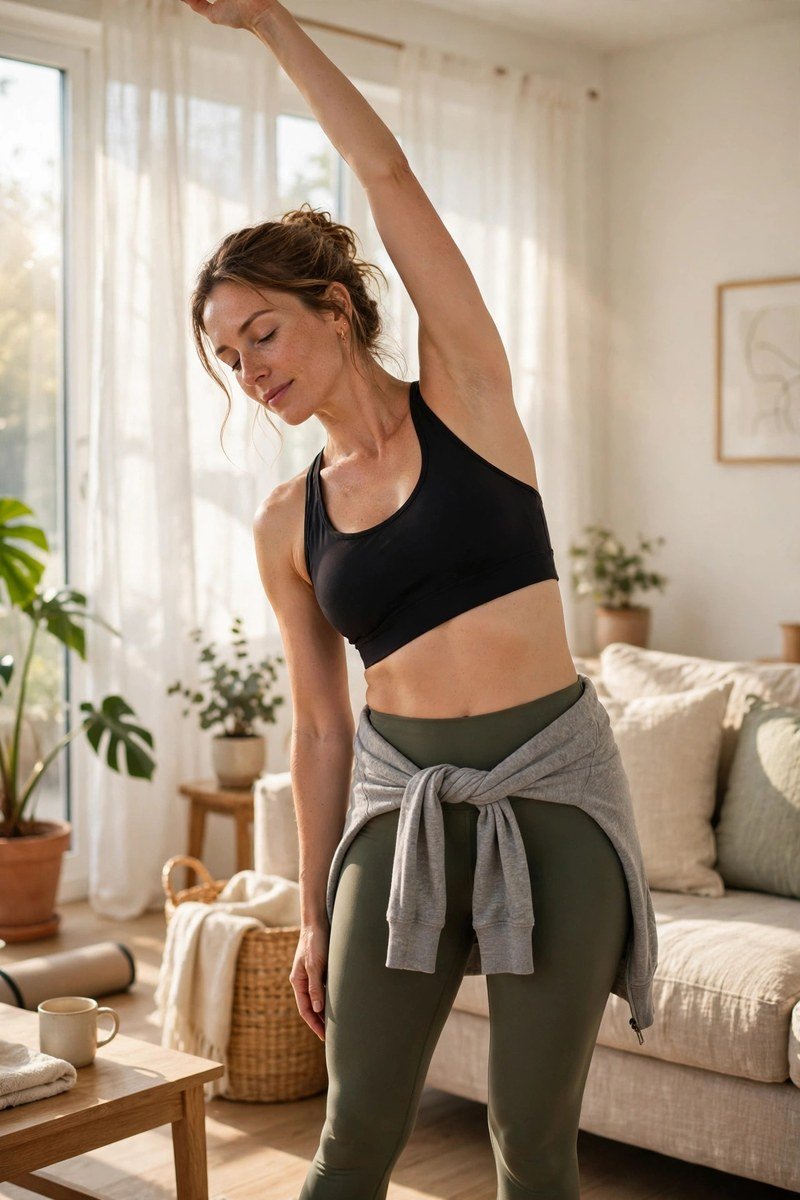
What it is: A standing stretch that reaches both arms overhead and leans gently to each side, opening the ribs, waist, and shoulders. It is the stretch that makes a deep breath feel easier.
Who it suits: This stretch suits anyone who feels tight across the ribs or stiff through the waist after sleeping curled up. It is one of the 10 morning stretches for better flexibility that feels good on the very first morning.
How to do it: Stand with your feet hip-width apart and reach both arms overhead, palms facing each other. Lean slowly to the right until you feel a gentle pull along your left side, hold for twenty seconds, then return to center. Repeat on the left side.
Pro tip: Keep both feet planted and your hips still, since the stretch should come from the waist, not from shifting your weight.
Mistake to avoid: Do not bend backward or force the lean, since the goal is a long side, not a deep bend.
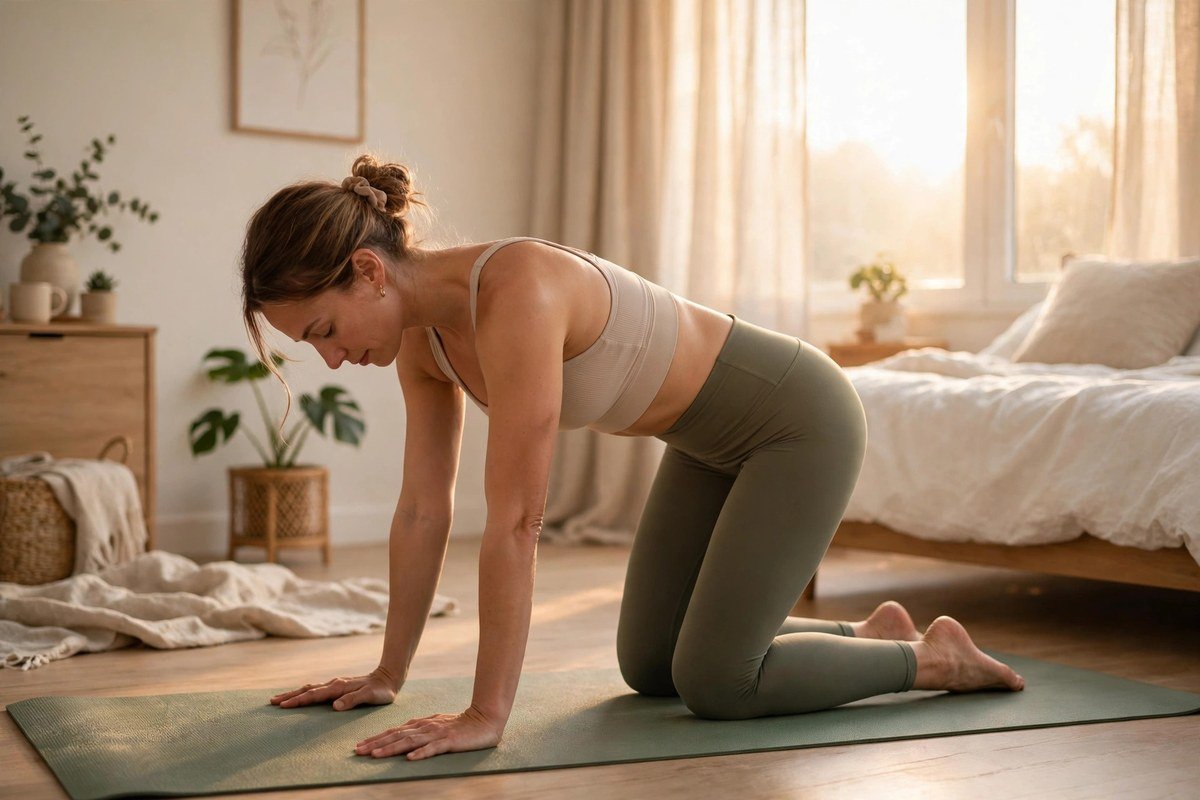
4. Cat-Cow
What it is: A slow, flowing move on hands and knees that arches and rounds the spine in turn. It wakes up the whole back and is one of the gentlest ways to loosen a stiff spine in the morning.
Who it suits: This stretch suits anyone with a stiff lower back in the morning, and it is one of the 10 morning stretches for better flexibility that beginners find easiest to learn. If your back feels rusty when you first stand up, start here.
How to do it: Come onto hands and knees with your wrists under your shoulders and your knees under your hips. Breathe in as you drop your belly and lift your head, then breathe out as you round your back and tuck your chin. Move slowly and repeat the flow six to eight times.
Pro tip: Match each move to a slow breath, since the breathing sets the pace and keeps the movement gentle.
Mistake to avoid: Do not rush the flow or sag your lower back, since the stretch should feel smooth, not forced.
5. Standing Forward Fold
What it is: A gentle forward bend that stretches the hamstrings, calves, and lower back all at once, and it is one of the 10 morning stretches for better flexibility that works the whole back of the body. It is a simple move, and it feels like a long exhale for tired legs.
Who it suits: This stretch suits anyone whose hamstrings feel tight after sitting all day. If touching your toes feels far away, this stretch is written for you, since the goal is the stretch, not the floor.
How to do it: Stand with your feet hip-width apart and your knees slightly bent. Hinge forward from your hips and let your arms hang toward the floor, keeping your neck relaxed. Hold for thirty seconds, breathing slowly, then roll up one vertebra at a time.
Pro tip: Bend your knees as much as you need to, since soft knees let the stretch reach your hamstrings instead of pulling your lower back.
Mistake to avoid: Do not bounce toward the floor or lock your knees straight, since bouncing can strain the hamstrings and the lower back.
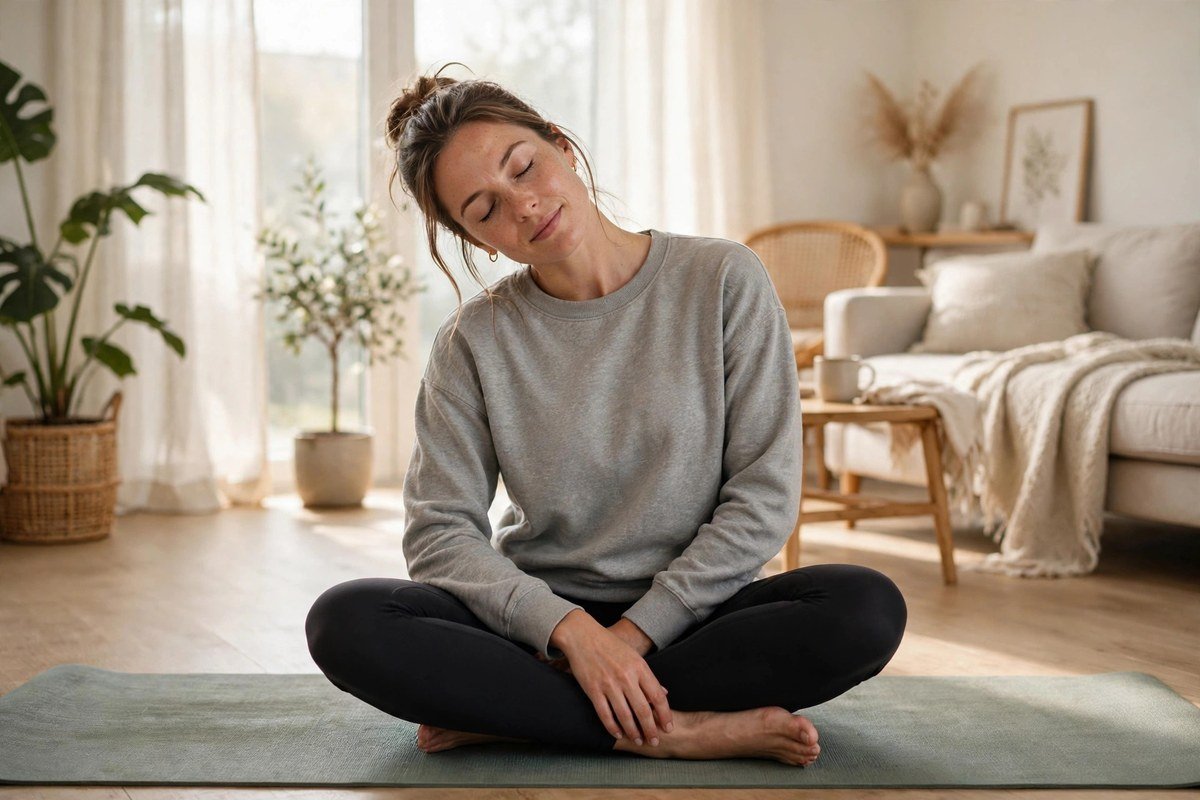
6. Seated Spinal Twist
What it is: A seated twist that stretches the spine, shoulders, and sides after a night lying flat. It is a quiet, calming stretch that also helps you sit taller for the rest of the day.
Who it suits: This stretch suits anyone who wakes up with a stiff mid-back or spends long hours in a chair. It is one of the 10 morning stretches for better flexibility that feels best when you move into it slowly.
How to do it: Sit on the floor or in a chair with your feet flat and your spine tall. Place your right hand on your left knee, twist gently to the left, and look over your left shoulder. Hold for twenty to thirty seconds, breathe normally, then repeat on the other side.
Pro tip: Grow tall through the top of your head before you twist, since length first makes the twist feel smooth and easy.
Mistake to avoid: Do not yank yourself into the twist or hold your breath, since a forced twist can irritate the spine.
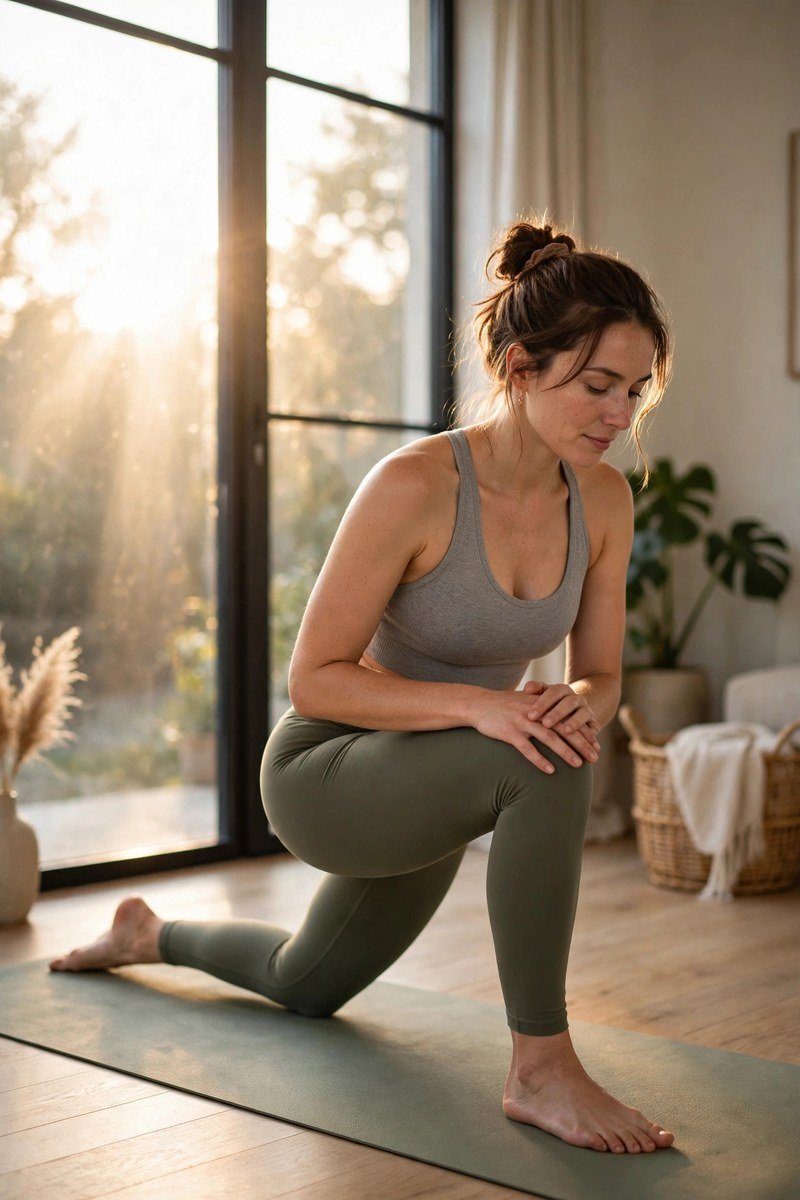
7. Low Lunge Hip Stretch
What it is: A low lunge that opens the hip flexors, the muscles at the front of the hips that tighten after hours of sitting. It is the stretch that makes walking feel freer afterward.
Who it suits: This stretch suits anyone who sits for most of the day, and it is one of the 10 morning stretches for better flexibility that runners and walkers will notice most. If your hips feel tight when you first stand up, this is the one to keep.
How to do it: Step your right foot forward into a deep lunge and lower your left knee to the floor, keeping your front knee over your ankle. Rest your hands on your front knee and ease your hips forward until you feel a gentle pull at the front of the left hip. Hold for thirty seconds, then switch sides.
Pro tip: Keep your chest lifted and your hips facing forward, since the stretch works best when your body stays square.
Mistake to avoid: Do not let your front knee slide past your toes or arch your lower back, since both take the stretch out of the hip.
8. Seated Hamstring Stretch
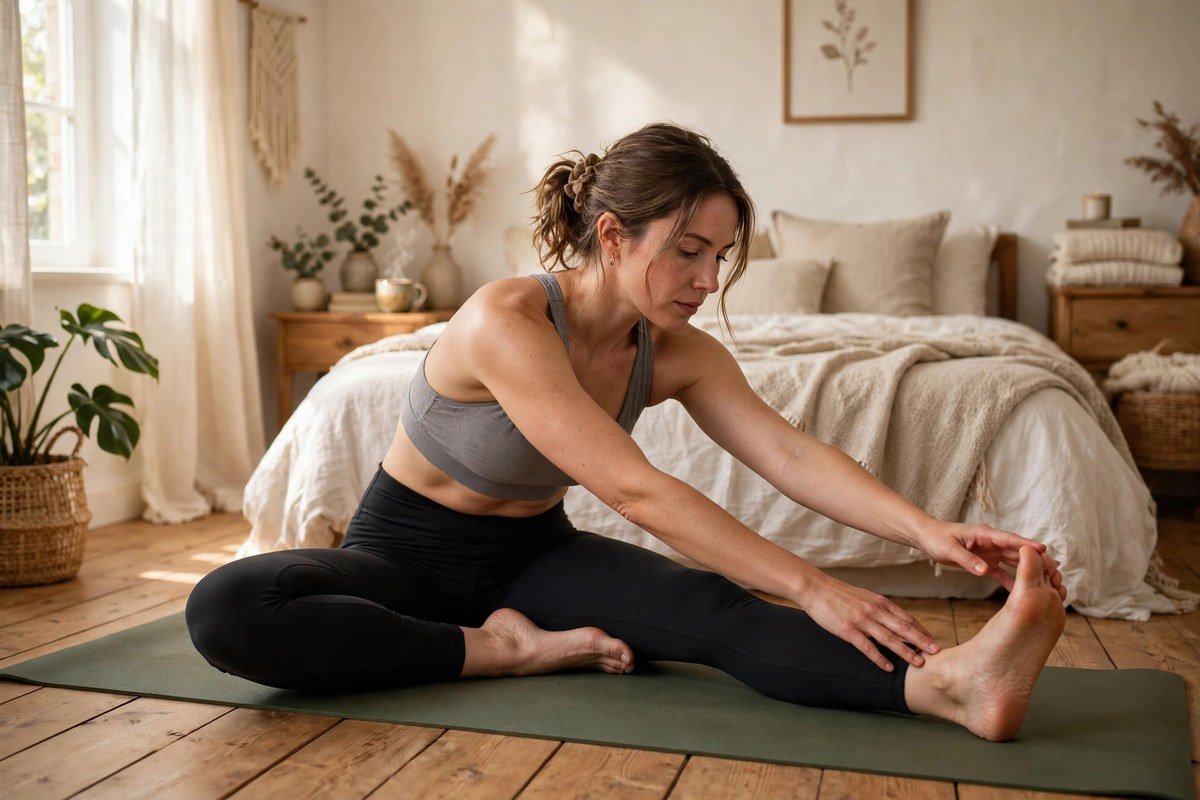
What it is: A seated stretch for the backs of the thighs, done one leg at a time so each side gets full attention, and it is one of the 10 morning stretches for better flexibility that rewards patience. It is calm, easy to hold, and a good moment to breathe before the day starts.
Who it suits: This stretch suits anyone with tight hamstrings or a job that keeps them seated. If the backs of your legs feel short when you walk, this stretch is the slow fix.
How to do it: Sit on the floor with your right leg extended and your left foot against your inner right thigh. Reach gently toward your right foot, keeping your back long rather than rounded. Hold for thirty seconds, then switch legs and repeat.
Pro tip: Lead with your chest, not your head, since reaching with your chest keeps the stretch in the hamstring instead of the neck.
Mistake to avoid: Do not round your back to reach farther, since a rounded back steals the stretch from the leg and loads the spine.
9. Butterfly Stretch
What it is: A seated stretch that opens the inner thighs and hips, with the soles of the feet together and the knees falling gently outward. It is a restful stretch that feels like a slow morning in itself.
Who it suits: This stretch suits anyone with tight hips or inner thighs, and it is one of the 10 morning stretches for better flexibility that feels better the longer you sit in it. If crossing your legs feels stiff, this stretch helps.
How to do it: Sit on the floor with the soles of your feet together and your knees falling out to the sides. Hold your feet with both hands and sit tall, letting your knees drop toward the floor on their own. Hold for thirty to sixty seconds, breathing slowly.
Pro tip: Sit on a folded blanket if your hips feel tight, since a little height makes the position much more comfortable.
Mistake to avoid: Do not press your knees down with your hands or bounce them, since the stretch should come from gravity, not force.
10. Standing Quad Stretch
What it is: A standing stretch for the fronts of the thighs, done one leg at a time while holding a wall or chair for balance. It is the final stretch in the routine, and it leaves your legs feeling light.
Who it suits: This stretch suits anyone who walks, climbs stairs, or stands for long stretches of the day. It is one of the 10 morning stretches for better flexibility that finishes the routine neatly, since it covers the last major leg muscle.
How to do it: Stand tall beside a wall or sturdy chair and hold it lightly with your left hand. Bend your right knee, take hold of your right foot or ankle, and draw your heel gently toward your glutes. Keep your knees close together and hold for twenty to thirty seconds, then switch sides.
Pro tip: Squeeze your glutes gently while you hold the stretch, since that deepens the pull across the front of the thigh.
Mistake to avoid: Do not lean forward or let your knee drift out to the side, since both take the stretch away from the quad.
A Simple Weekly Plan for Morning Flexibility
Do the full routine every morning for the first week, and you will learn the order by heart within a few days. Ten minutes is short enough to keep, and doing it daily matters more than doing it perfectly. The 10 morning stretches for better flexibility here are meant to be repeated, not mastered in one go.
In week two, add a little variety by swapping one or two stretches for a different gentle move. These balance exercises for beginners pair well with the morning routine, since steady balance and flexible muscles support each other. A short balance practice after stretching makes the whole routine feel more complete, and the 10 morning stretches for better flexibility stay the easy core of it.
Stretch when your muscles are warmed up and never stretch so far that it hurts, which matches the National Institute on Aging flexibility guidance. A few minutes of easy walking around the house before you begin the 10 morning stretches for better flexibility is enough to warm up cold morning muscles. If a stretch ever causes sharp pain, stop and try a gentler version instead.
After a month, the routine will feel like brushing your teeth: automatic, quick, and oddly satisfying. Notice which stretches your body asks for most, and linger on those for an extra breath or two. The 10 morning stretches for better flexibility in this guide stay the same, but your body will meet them differently as the weeks pass.
Frequently Asked Questions About 10 Morning Stretches for Better Flexibility
How long do 10 morning stretches for better flexibility take?
About ten minutes for the full routine, since each stretch takes around a minute including the switch between sides. The 10 morning stretches for better flexibility are written so a busy morning still fits three or four of them, which takes about five minutes. Start with the stretches that feel tightest, and build up to the full ten over a week or two.
Should I stretch before or after breakfast?
Either works, so pick the time you will actually keep. Many people stretch right after waking, before breakfast, because the routine is easier to protect before the day fills up. The 10 morning stretches for better flexibility are gentle enough for an empty stomach, and a glass of water before you start is a good idea.
Can beginners do these morning stretches?
Yes, every stretch in this guide is written for beginners, with no equipment and no experience needed. The 10 morning stretches for better flexibility use slow holds and simple positions, and each one includes an easier option, like bending your knees or holding a chair. Move slowly, hold each stretch for twenty seconds, and stop if anything hurts.
What if a stretch hurts?
Stop the stretch right away and do not push through pain. A gentle pull is normal, but sharp pain, tingling, or a pinching feeling means you have gone too far or the stretch does not suit you today. Try a smaller range of motion, skip that stretch for a few days, and check with a doctor if the pain keeps coming back.
Do I need a yoga mat for morning stretches?
No, a mat is helpful but not required. The 10 morning stretches for better flexibility work on a rug, a carpet, or a folded blanket, and the standing stretches need only a clear patch of floor. A mat is worth having if your floor is hard or your knees are sensitive, since it softens the floor stretches.
10 Morning Stretches for Better Flexibility to Start Tomorrow Morning
Tomorrow morning, before the phone and the kettle, give yourself ten minutes and work through these 10 morning stretches for better flexibility. Start with the neck, move down through the shoulders and back, and finish with the legs, breathing slowly the whole way. Your body will thank you before breakfast is even ready.
Keep the routine simple and keep it daily, since small habits kept every day beat big efforts done once a week. If you miss a morning, do not try to catch up: just start again the next day. The 10 morning stretches for better flexibility here will be waiting, and so will the calm start they give you.
When the morning routine feels easy, explore more gentle movement on the site, from evening stretches to beginner balance and core guides. The 10 morning stretches for better flexibility in this guide are a fine first habit, and a flexible body is built one quiet morning at a time.